Narrative and nostalgia: Reflecting on children’s literature in the age of adaptation
As it is the National Year of Reading, there’s no better time to reflect on the books that shaped your early years of reading! From picture books to junior fiction, there is something so undeniably powerful about how books transform the lives of children. This article is for those who grew up in the early 2010s, where books ranging from The Gruffalo to Harry Potter shaped your childhood in more ways than one. Below is a list of these books and why they matter now more than ever:
Picture books
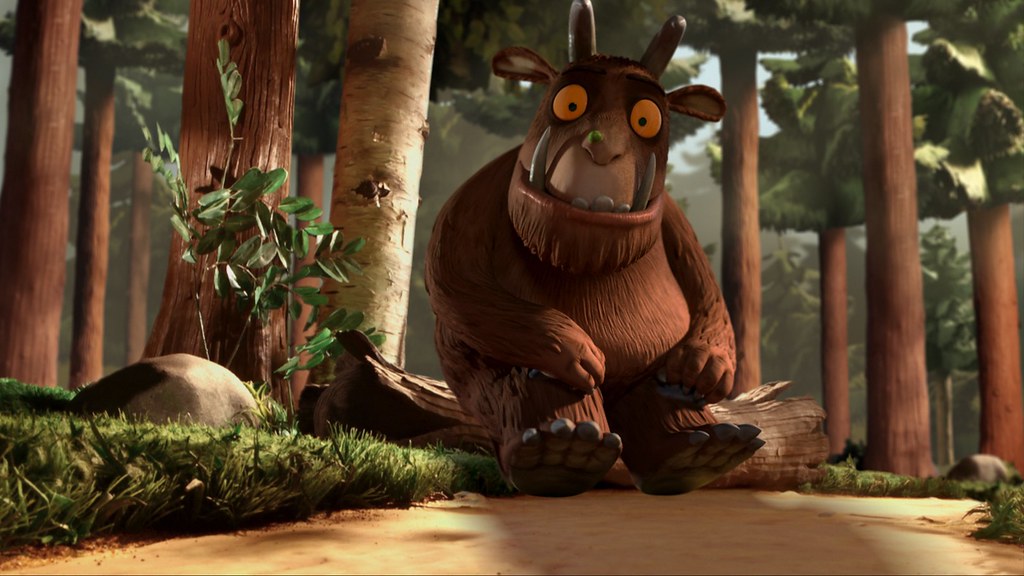
There are certain picture books from our time growing up that, even now, continue to impact the lives of children. Beginning with Julia Donaldson, works such as The Gruffalo and The Gruffalo’s Child arguably remain blueprints for these types of books. Her catchy rhymes and engaging illustrations gifted me the ability to recite The Gruffalo cover to cover and, with the announcement of the third instalment, Gruffalo Granny, which will be released later this year, 20 years after the original, it is comforting to see that these books still hold strong resonance with children today.
Adaptations of these books have continued to support the popularity of picture books today, providing interactive opportunities for children to engage with a world that has become increasingly reliant on technology
We’re Going on a Bear Hunt by Michael Rosen is another iconic book that will always hold a special place in my heart, alongside The Very Hungry Caterpillar by Eric Carle, and The Rainbow Fish by Marcus Pfister. Adaptations of these books have continued to support the popularity of picture books today, providing interactive opportunities for children to engage with a world that has become increasingly reliant on technology.
Preteen years
There are three book series that shaped the lives of thousands of preteens who grew up during the early 2010s: Diary of a Wimpy Kid by Jeff Kinney, Tom Gates by Liz Pichon, and Dork Diaries by Rachel Renée Russell. Beginning with Kinney’s Wimpy Kid, the life of Greg Heffley was always an entertaining read, with the infamous ‘Cheese Touch’ making its way into the lives of many. There was always something so amusing about his life that made school seem much easier than it was. Reading these books alongside Tom Gates was the perfect combination, as Tom certainly had an interesting life too.
[The Dork Diaries] books marked a cultural shift in the depiction of tween experiences presented in the media and continue to influence the lives of children fifteen years later
Dork Diaries, on the other hand, was what could be considered the early embodiment of ‘girlhood’ that wasn’t quite reflected in the books listed previously. These books aimed to appeal to tween girls through the relatable life of Nikki Maxwell, illustrating this through humorous and entertaining stories. These books marked a cultural shift in the depiction of tween experiences presented in the media and continue to influence the lives of children fifteen years later.
Early-to-mid teenage years
It goes without saying that there were a number of books that framed the early teenage years of children who grew up during the 2010s. Harry Potter by J.K. Rowling, The Hunger Games by Suzanne Collins, and Percy Jackson by Rick Riordan, for instance, certainly served as crucial series, having been adapted into influential franchises that continue to maintain loyal fanbases.
The lives of the Baudelaries were filled with so many twists and turns that, to this day, I wonder how they were ever able to escape from them
I would also like to mention a series that seems to be less popular nowadays: A Series of Unfortunate Events by Lemony Snicket. The lives of the Baudelaries were filled with so many twists and turns that, to this day, I wonder how they were ever able to escape from them. Not to mention, I was obsessed with the television adaptation (Neil Patrick Harris’ portrayal of Count Olaf continues to terrify me), with its thrilling scenes and excellent theme tune – it is certainly a series to be remembered!
Now that we have taken a stroll down memory lane, one question persists: why reflect on these books at all? In an age where the media is gaining increasing popularity, with adaptations continuously being produced, the importance of books in this transformation must be remembered. Working in libraries, even as a 20-year-old, it is unbelievably evident that there has been a shift in the way books are perceived by children – and even parents.
The focus on the illustrative characteristics of books, as opposed to the textual component, is more prevalent now than ever, which equally explains the ongoing focus on the sudden desperate need for adaptations
Whilst books that shaped a Gen Z’s childhood are still taken out in libraries or purchased in shops, the popular children’s fiction of today certainly contrasts with what was once ‘staple’ childhood literature. Manga, in particular, has become a key part of this change, alongside graphic novels, such as Dog Man by Dav Pilkey. The focus on the illustrative characteristics of books, as opposed to the textual component, is more prevalent now than ever, which equally explains the ongoing focus on the sudden need for adaptations.
These adaptations of children’s books have impacted the popularity they have with children. A motto I will always preach is as follows: “Read the book before you watch the adaptation”. I am certainly guilty of doing the reverse, which then puts me off reading the book (I never finished Angus, Thongs and Full-Frontal Snogging by Louise Rennison after watching the 2008 masterpiece) – but that is the exact problem. Adaptations are certainly beneficial for everyone involved, from the author to the audience, but as technology and the influence of the media continue to gain popularity, the importance of books in the making of these shows and films is continuously undermined. Therefore, I implore everyone to visit their local libraries and bookshops as they are the important tools that can best combat the ever-changing and uncertain world that we now live in.
Comments