Chivalry and Chaucer: 25 Years of A Knight’s Tale
About five years ago, my dad introduced me to a film called A Knight’s Tale. From its opening scene, the audience of a medieval jousting match clapping along to Queen’s ‘We Will Rock You’, it was clear that this film set itself apart from the previous Star Wars or Lord of the Rings film nights.
This year marks 25 years since the release of Brian Helgeland’s A Knight’s Tale (2001), a rags to riches story and a contemporary reimagining of medieval knights. A 4K restoration of A Knight’s Tale is now being shown in certain cinemas across the UK to mark this anniversary.
Before I even knew I’d be studying English Literature here at Warwick and exploring (arguably) the very source material behind this film, I was a fan of A Knight’s Tale. Its comedic timing, well-developed secondary characters and excellent line delivery stood out to me.
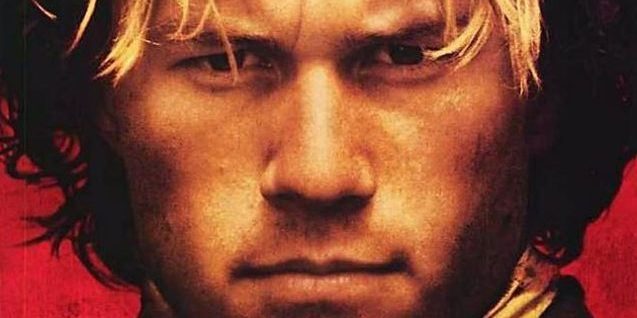
A Knight’s Tale centres William Thatcher, (Heath Ledger), a lowly squire to a knight, Sir Ector. Secretly, Will wants to compete in the jousting competition, but as he isn’t a member of the nobility, he isn’t allowed to. When his employer suddenly dies, Will takes up the risky opportunity of impersonating Sir Ector during the final round of the competition. With the help of his friends Roland (Mark Addy) and Wat (Alan Tudyk), Will succeeds and proposes they take the risk further afield – literally – to compete in jousting competitions in not only England, but France.
Helgeland takes the jousting tournament structure and the romantic triangle from Chaucer and reintroduces them to contemporary audiences
A Knight’s Tale is loosely based on Geoffrey Chaucer’s The Knight’s Tale, from his notorious Canterbury Tales. Helgeland takes the jousting tournament structure and the romantic triangle from Chaucer and reintroduces them to contemporary audiences. His direction really leans into the comedic elements of the film, making A Knight’s Tale a historical action film accessible to modern audiences.
Geoff Chaucer himself appears in A Knight’s Tale, portrayed by Paul Bettany. His speech introducing Will in the jousting event: “my lords, my ladies… and everyone else here not sitting on a cushion!” addresses the entire audience, peasants and nobility both. Bettany’s portrayal of Chaucer is not only entertaining but also highlights the importance of community in the film. Will Thatcher is a hero of the people, for the people, though they don’t all realise it at the time. Other Chaucer easter eggs for Literature students include the character of the Pardoner, who tempts Geoff Chaucer into gambling, exactly what he preaches against in the original Pardoner’s Tale.
The ’70s rock soundtrack adds a cinematic feel to Will’s story, the stadium atmosphere of the audience reflects the hype – knights were the rockstars of their day, after all
Some critics point to the anachronisms within the film, such as the courtly dance scene to David Bowie’s ‘Golden Years’. One Independent article describes how “modern soundtracks… electrify period texts”, comparing Helgeland’s musical approach with A Knight’s Tale to Baz Luhrmann’s Romeo + Juliet (1996). With songs such as Thin Lizzy’s ‘The Boys Are Back In Town’, I would agree that the ’70s rock soundtrack adds a cinematic feel to Will’s story, the stadium atmosphere of the audience reflects the hype – knights were the rockstars of their day, after all.
A Knight’s Tale doesn’t seek to present itself as a historically accurate portrayal of 14th century medieval England, and I would argue that this is what makes it so brilliant. It doesn’t take itself too seriously. Helgeland’s combination of humour and action, the sheer quality of fight choreography, and jousting with real horses, overall creates a film to be enjoyed.
Whether you’re a medieval fanatic, an English Literature student seeking to better understand Chaucer, or simply someone who appreciates a brilliantly written funny script, A Knight’s Tale is packed with plenty of heart, humour, and ultimately explores what it means to be a hero. William Thatcher’s underdog journey reflects what heroism is really about – not being born noble, but having the courage and drive to change your own stars.
Comments