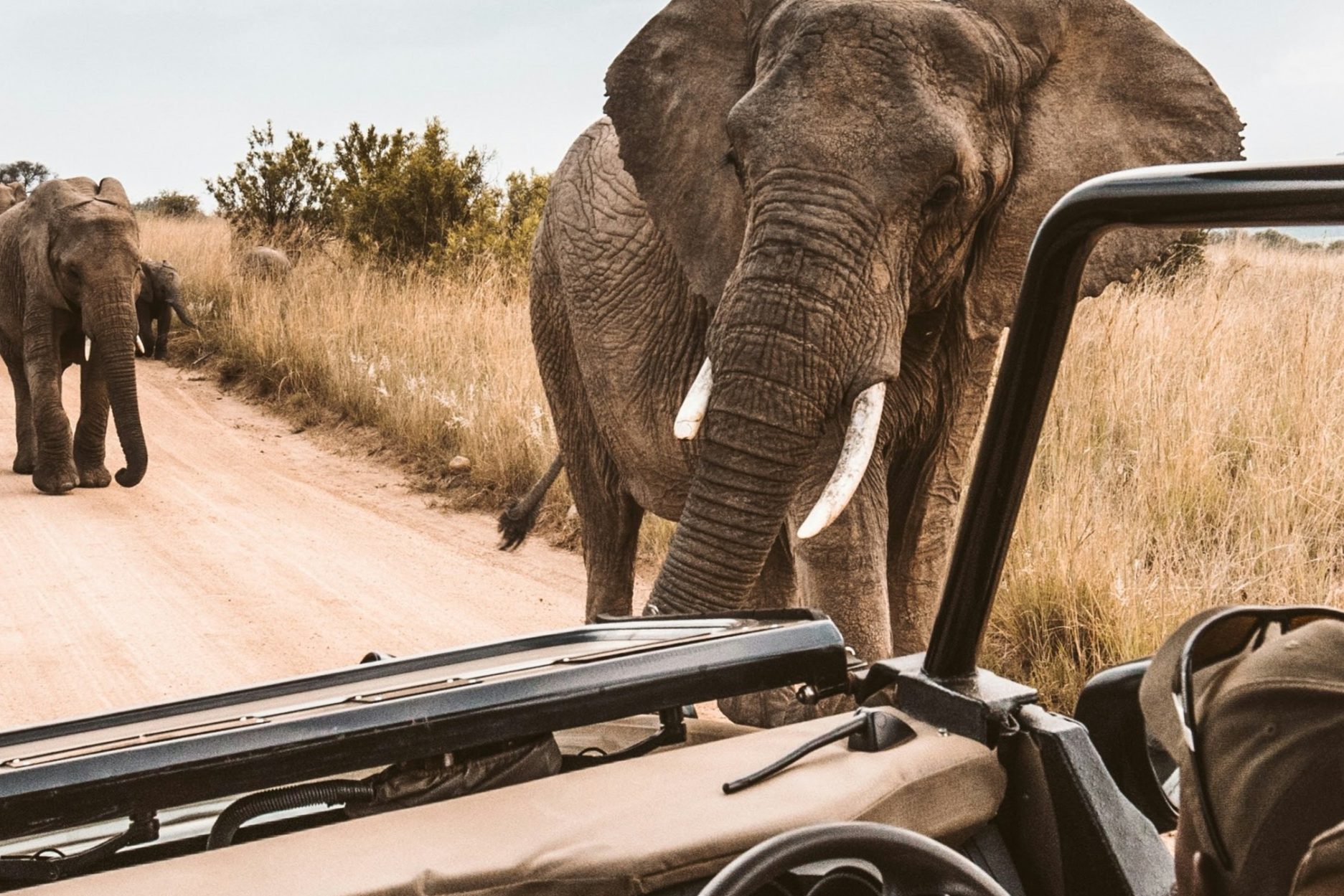
Animal tourism: Is it ethical?
Animal tourism has been on the rise with Robert-Irwin wannabes snapping pics and selfies with wildlife. It’s adorable, it’s curated, and it’s exploitative. Although travelling to observe or interact with wildlife isn’t always at the creature’s expense, many experiences exploit animals for profit.
Companies like Tripadvisor have noticeably removed sales for captive wild animal entertainment yet continue to promote exploitative wildlife tourism through images on their website. Though the opportunities to see and interact with wild animals abound in many destinations around the world, it is important to recognise which experiences prioritise animal welfare, and which contribute to significant animal suffering and disturbance by operating only for human entertainment.
Though the sanctuaries claim to house ‘rescued’ animals, the pressure for an idealistic social media experience actually leads to mass exploitation
A predominant unethical form of animal tourism is elephant riding, which is also one of the most popular. Elephants are ‘broken’ as calves through a brutal process called Phajaan, involving physical beatings, to train them into submission around humans. Though the sanctuaries claim to house ‘rescued’ animals, the pressure for an idealistic social media experience actually leads to mass exploitation. True conservation projects involve little to no human interaction – an example of a genuine sanctuary is Boon Lott’s Elephant Sanctuary in Thailand, where the elephants roam freely without any rides or chains. Unlike most experiences with elephants, guest numbers are intentionally kept low, displaying their priority for animal welfare over profit. The elephants are cared for and allowed to roam over 600 acres of forested land consisting of open plains and freshwater rivers. The visitors’ role is beneficial to the animals, participating in tasks such as scrubbing down the elephants or helping to gather their food.
Ethical wildlife tourism provides opportunities to learn about and observe animals without disrupting their natural behaviours
Some distasteful forms of animal tourism are thankfully part of a dying out process. One such harmful form of animal tourism are staged photos of holding koalas in Australia, which lead to animal suffering in exchange for the tropical aesthetic. Koalas are naturally solitary animals who experience stress when around humans for a prolonged period. They sleep an average of up to 20 hours a day in the wild, and frequent interaction disrupts their natural circadian rhythms. The current heightened awareness for koala welfare needs to extend to all dubious conservation projects.
Luckily, there are ethical alternatives to typical animal tourism: look for experiences that allow you to interact with wildlife in non-disruptive ways. Ethical wildlife tourism provides opportunities to learn about and observe animals without disrupting their natural behaviours – if a wildlife opportunity has no effect or is beneficial to the animal, it is trustworthy. The difference is whether the animals are being displayed to their own detriment, such as in a circus or photo shoot; unnatural behaviours such as cosying up to humans or jumping through hoops are likely to have been conditioned through abuse.
Make sure to prioritise researching your experiences and choose accredited organisations which are required to follow set codes of conduct. The most important thing to question is whether the animal can benefit from you, rather than the other way around. Wildlife tourism accounts for a total of 20-40 percent of global tourism. Especially for such a widely accepted practice, it is easy to become overexcited at the prospect of meeting an animal and fail to question the company’s motivations for putting them on display.
In fact, animal tourism can have a positive effect on safeguarding wildlife when visitors support facilities actively involved in conservation projects
Particular red flags to look out for are companies that organise animal handling interactions or sell animal products with souvenirs such as crocodile teeth, which are likely to have been attained in harmful ways. Tourists are often misled into assuming that companies emphasise ethical practices when this isn’t the case; gaining awareness through adequate research will allow you to practice animal tourism ethically.
In fact, animal tourism can have a positive effect on safeguarding wildlife when visitors support facilities actively involved in conservation projects aimed at protecting species. By choosing to visit ethical sanctuaries, you can directly contribute to the wellbeing of animals. For example, in Greece, you can either donate or volunteer to work on conservation projects for sea turtles in their nesting areas of Crete, Zakynthos, and Peloponnese. Projects such as these rehabilitate injured animals, raising awareness of their endangered status.
If you’re in doubt about whether an experience is ethical or not, the best option is probably just to skip it. Though responsible tourism is becoming increasingly predominant, animal policies are by far the most overlooked sector, which we can change by refusing to support projects funded by animal exploitation.
Comments (1)
Thank you for your thoughtful piece on animal welfare in tourism. Our tip – and please share – “If you can ride, wash, touch, take a selfie with, or watch a wild animal perform, there is cruelty involved. Stay away.”
If you’re interested in learning more about being an elephant friendly tourist (also has a list of elephant friendly venues like Boon Lott’s): https://www.worldanimalprotection.org/our-campaigns/wildlife/commercial-exploitation/travel-tourism/elephant-friendly-tourist-guide/
Thanks for spreading the word on the importance of wildlife-friendly tourism. If I can be of any help please let me know.
Amy