Off Campus: Between adaptation and reinvention
The long-awaited TV show adaptation, Off Campus, was released on Amazon Prime on May 13, and has certainly left fans divided. For those who had never read the books, it was an enjoyable watch, but for those who went into the show fully knowing the characters, dynamics and plot, the show blurred the line between adaptation and reinvention. The cast’s chemistry undeniably exudes the passion, warmth and found family dynamic that is conveyed throughout the books, but loses pivotal moments that made Elle Kennedy’s franchise resonate with readers, leaving many fans of the books a little lost, confused, and at times, annoyed.
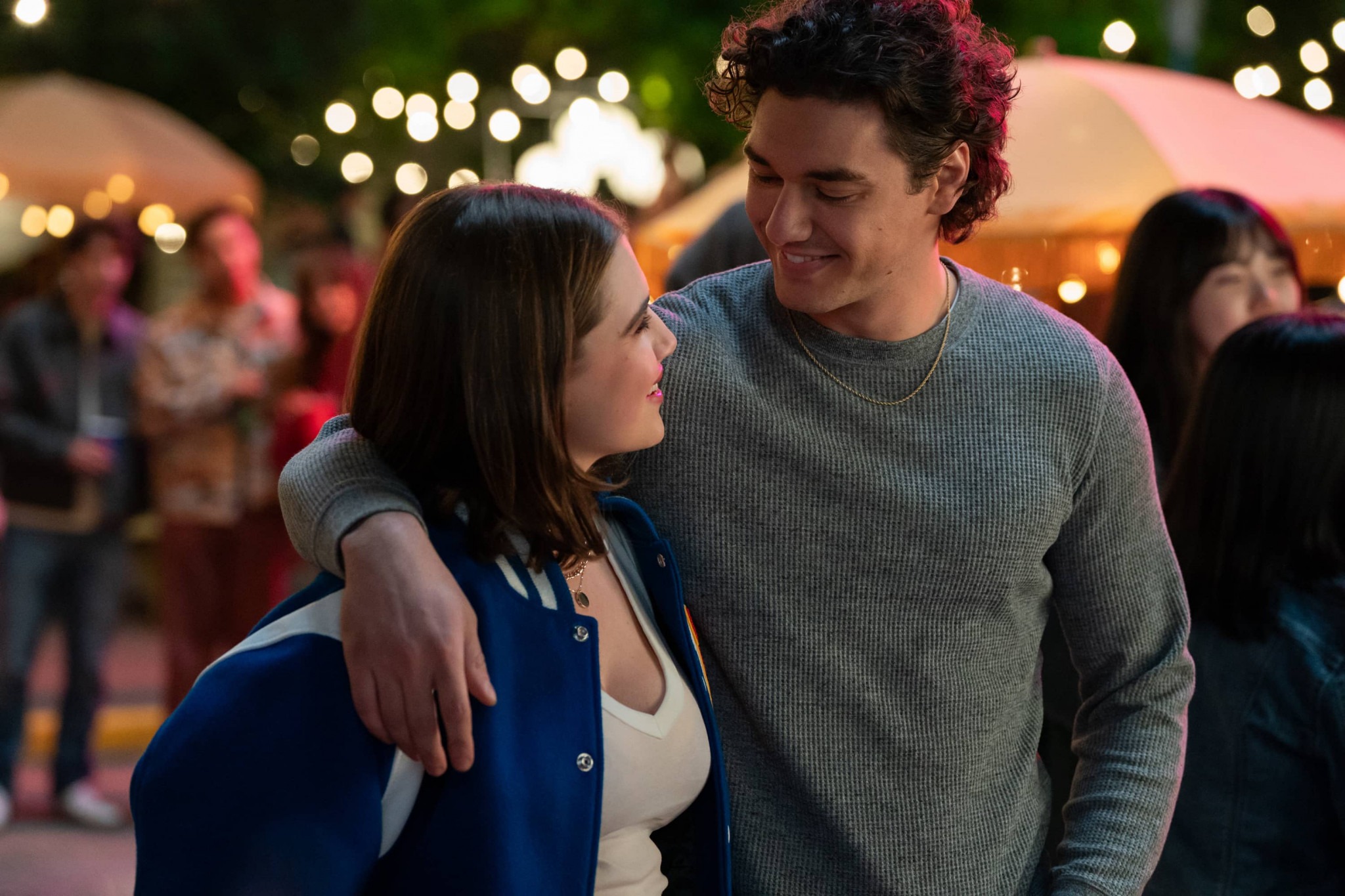
Kennedy first published The Deal in 2015, the introductory novel into her Briar-U universe, which has since spanned thirteen books, with the fourteenth set to release this November. The first season centres around the relationship between Hannah Wells (Ella Bright) and Garrett Graham (Belmont Cameli), who navigate life, love and their emotional baggage at Briar University. Whilst this premise is followed throughout the show, and we still get to experience the trust built between the two (which Bright and Cameli beautifully embody), there were many scenes that, in my opinion, fell flat due to a failure in capturing the essence of the original book’s moments.
Before the show was released, fans had unanimously established some criteria for what needed to be adapted to the screen. The main scenes included: Hannah kissing Dean after having kissed Garrett for the first time, Hannah breaking up with Garrett due to his father blackmailing her, and the hands-off campus-wide rule enacted by Garrett. However, fans were given: Hannah kissing Logan instead of Dean, Garrett breaking up with Hannah, and the hands-off rule occurring due to a misunderstanding amongst the hockey team. These are just some of the main changes I had noted, and the adaptation seemed to prioritise clarity for new viewers, rather than truly capturing the emotional intimacy of the books for the readers.
Can decade-old love stories ever be fully translated onto the screen without altering the dynamics that established their appeal in the first place?
While I appreciate that many of these moments were not removed entirely in the show, the way they had often been condensed, and effectively rewritten, changed their impact. I understand that for on-screen adaptations, pacing is key and some scenes have to be changed. However, there is a clear difference between adapting a book for the screen, and reshaping it to the point where the original appeal begins to fade. Garrett is an interesting example of how contemporary adaptations can lose the original feel of a book published over a decade ago. In the books, he is presented as confident, charming, albeit arrogant, whereas in the show these personality traits feel deliberately softened in order for him to appear as the romantic “green flag”, consistent with modern romance adaptations. The Garrett Graham I know would never have broken up with Hannah. By reducing this original intensity, the adaptation has removed some of the emotional intimacy that made readers fall in love with the books in the first place. Can decade-old love stories ever be fully translated onto the screen without altering the dynamics that established their appeal in the first place?
It goes without saying that one of the stronger elements of the series is the inclusion of Dean Di Laurentis (Stephen Kayln) and Allie Hayes (Mika Abdalla). Their undeniable chemistry certainly brings the heat and passion that is conveyed between the two in The Score. However, with the adaptation choosing to incorporate them alongside Hannah and Garrett, it makes their relationship feel more rushed and reduces a large part of the emotional buildup that is fundamental to their journey in the books. They are certainly my favourite pairing, and the decision to essentially condense half of their book into what felt like twenty minutes was questionable. Whilst it works for the overall atmosphere of the show, solidifying the romantic tension, it highlights the distancing between the show and the book that further blurs the line between adaptation and reinvention.
However, the fact it has been classed as an adaptation makes me question the creative decisions made by the showrunners
Furthermore, the way in which Logan’s storyline was formulated highlights the willingness of a show to restructure the original narrative in favour of pacing. Fans who have read The Mistake understand that Logan’s family, including his older brother and father, are pivotal to his storyline. Choosing to exclude these characters and integrate Jules instead, disrupts the established dynamic of the book, with their relationship also feeling somewhat forced. The season finale positions Dean and Allie as the main couple for next season, with the inclusion of Hunter Davenport as the key source of dramatic tension between them (his story has also been rewritten for the benefit of the show). Despite Grace Ivers (India Fowler) being set to appear in season two, Logan’s storyline has undoubtedly been changed the most, leaving the fate of his character undecided amongst anxious book fans who wait for his story to be “adapted”.
Viewing Off Campus as a standalone romance drama, it succeeds in capturing the cast’s chemistry, making it an engaging and entertaining watch to viewers. However, the fact it has been classed as an adaptation makes me question the creative decisions made by the showrunners. I understand the importance of pacing and modernising the source material, however, it completely reshapes the emotional intensity that made the books an enjoyable read in the first place. As a result, it leaves fans of the books feeling the need to disconnect themselves from the original material and approach the show separately as a separate piece of media. It was certainly a fun and enjoyable show, and I will be going back for a re-watch, but there were just some things that did not work so well as a fan of the books… where was my One Direction?
★★★★
Comments