Monster: The power of perspective
Contrary to its title, Monster is anything but a horror film. As part of the East-Asian Film Week, the Warwick Student Cinema, The Language Centre, and the Department of Film and Television Studies collaborated to present three films from East Asia. Monster, directed by the Japanese filmmaker Hirokazu Koreeda, started the week off strong. The film has been nominated by a number of international awards including the British Independent Film Awards (BIFA) and the Asian Film Awards. It has also won twice at Cannes Film Festival making it an extremely acclaimed piece of filmmaking.
This review contains light spoilers for Monster (2023)
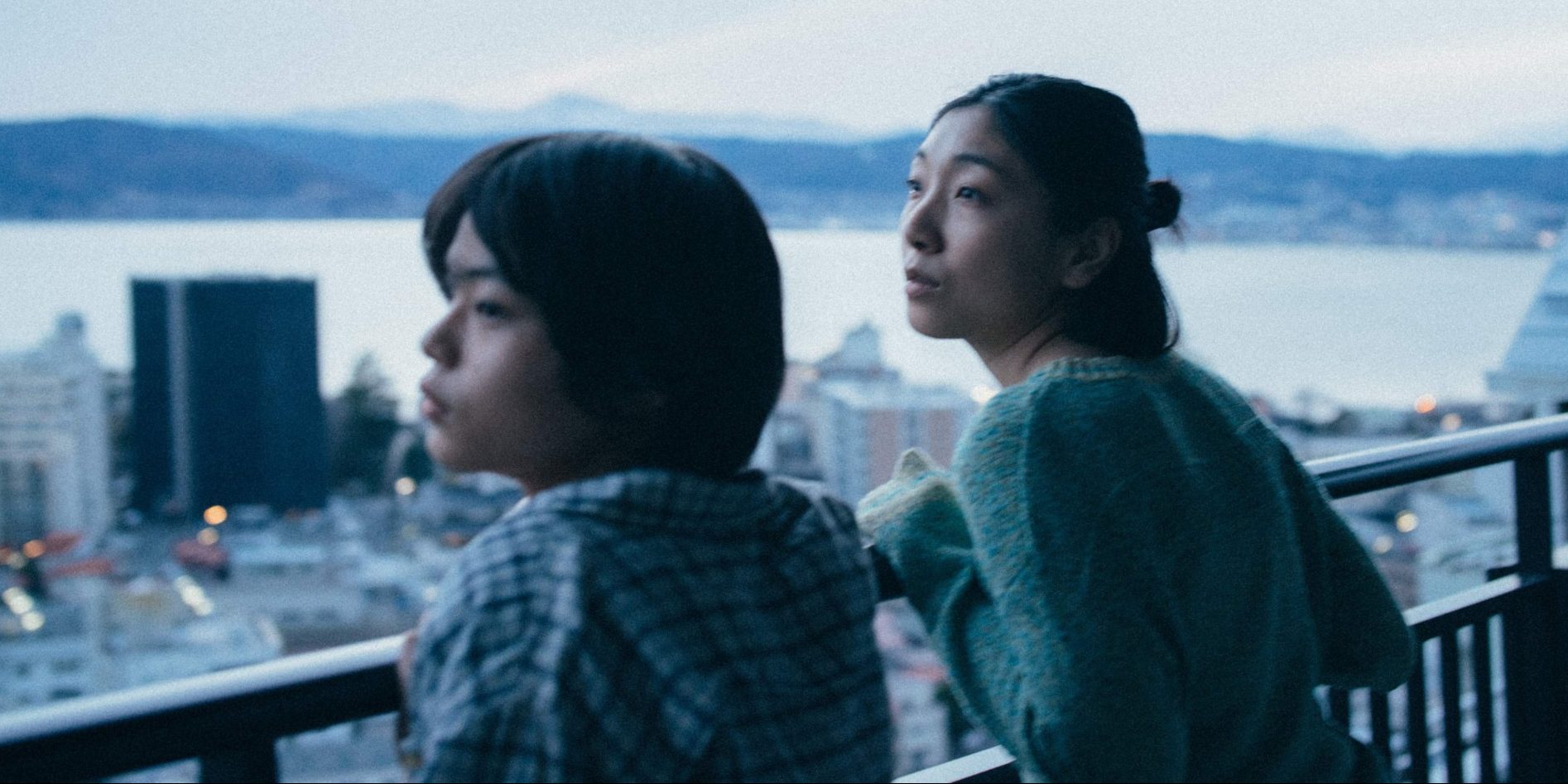
The film takes the audience on a quest to discover who the monster really is. Unlike many others, the film is not told chronologically. Instead, the audience follows the perspective of multiple characters which shape the lives of Minato Mugino and Yori Hoshikawa, two young boys who struggle to fit into the rigid expectations of Japanese contemporary society. The first perspective the audience is exposed to is Minato’s mother, Saori Mugino, played by Sakura Ando. Through her character, we are able to see the struggles of motherhood, particularly the uncertainty of knowing what to say or do for your child. Ando’s acting is magnificent in the way that she is able to portray emotional restraint through her eyes and subtle body movements. It only deepens the empathy I felt for her as she struggles to get her son to express his feelings.
Soya Kurokawa and Hinata Hiiragi … perfectly capture the essence of what it means to be a child and watching them is refreshing, a break from the slightly heavier scenes
Praise ought to be given to the young actors who play Minato and Yori, Soya Kurokawa and Hinata Hiiragi respectively. It is easy to see that they have great chemistry as their conversations feel genuine and never forced. They perfectly capture the essence of what it means to be a child and watching them is refreshing, a break from the slightly heavier scenes that come before. Both Kurokawa and Hiiragi were nominated for the ‘Best Newcomer’ award at the Blue Ribbon Awards in 2024. Soya Kurokawa ultimately won the award, however, both of them won the ‘Newcomer of the Year’ award at the Japan Academy Film Prize. This is just a selection of awards that they have been nominated for, making both of them talents to keep an eye out for in the future.
Koreeda is known for incorporating social issues into his films. He does it subtly, maintaining the simple and calm aesthetic he is famous for. Monster touches on several issues including the strict social norms children are expected to adopt. One prominent theme is masculinity. Yori is excluded and teased at school for things such as his knowledge of flowers, his fashion and his soft-spoken personality. This is contrary to Mr Hori, Yori’s teacher. He is presented as a particularly ‘masculine’ person and his language often perpetuates the ‘manly’ characteristics that boys are expected to have without realising it. When we reach Minato and Yori’s perspective later in the film, Yori reveals that he doesn’t tell Mr Hori his problems because Mr Hori would just tell him that he is not acting like a man.
Koreeda ingeniously emphasises perspective through cinematography and lighting … Children are pure and are full of imagination. On the other hand, adults tend to be more realistic, seeing things the way they are instead of how they could be
It made me realise how influential the words of adult figures can be for children, as they ultimately look up to authority figures like teachers. Similarly, Minato’s mother expresses her desire to see her son grow up to have an ordinary life with an ordinary family. This leaves a heavy weight on Minato’s mind as he begins to realise he does not want this for his future. Both characters represent those who differ from societal norms and Koreeda’s subtle portrayal of this makes it very impactful.
Another way Koreeda ingeniously emphasises perspective is through cinematography and lighting. For example, Mr Hori’s perspective has a much darker colour palette than Minato and Yori’s perspective. It almost reflects how children see the world. Children are pure and are full of imagination. On the other hand, adults tend to be more realistic, seeing things the way they are instead of how they could be.
This film is a masterclass in non-chronological storytelling. It engages audiences in ways other films cannot. During the post-film discussion at the Student Cinema, it was fascinating to hear everybody’s interpretations of the characters, the outcome and the moral of the story. The slight ambiguity in Koreeda’s work makes his films feel personal to each individual, as one is able to interpret it however they wish. Monster is perfect for slice-of-life fans and those who enjoy stories that make you reflect. Overall, the film is a great experience, one which I highly recommend to all film lovers!
★★★★★
Comments