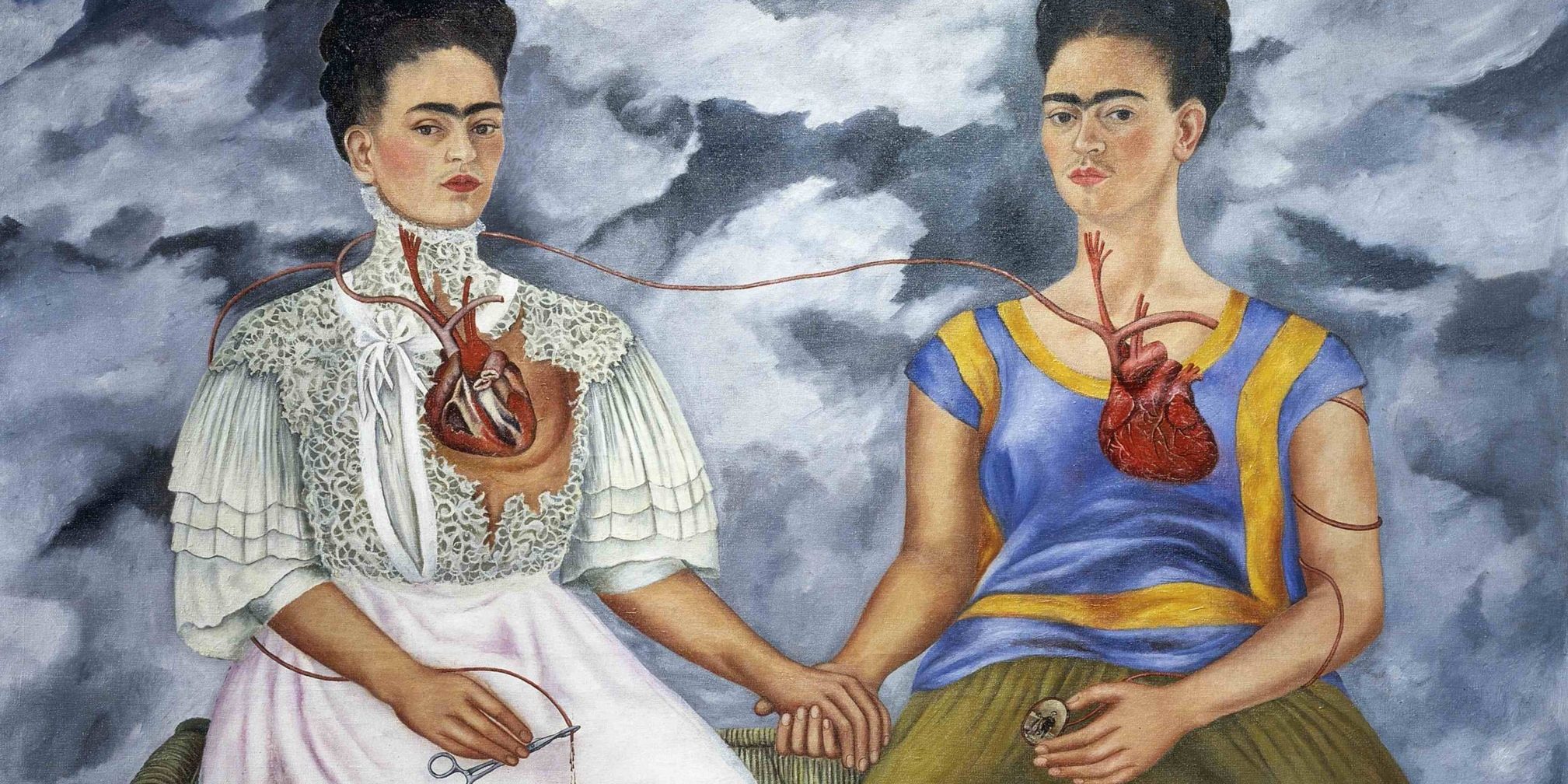
Beyond the canvas: Frida Kahlo’s enduring influence explored in new film and Tate Modern exhibition
Over 70 years after her death, Frida Kahlo continues to be recognised beyond the walls of galleries and museums. Now, before the Tate Modern opens its new exhibition on the Mexican icon, a film on her life and art is returning to cinemas.
Frida: The Making of an Icon not only asks who Kahlo was but also questions how she came to have such a great influence on society, one so large that her legacy continues to be discussed and her image carries on being produced in murals and on protest banners across the world today.
The 90-minute-long film sees Kahlo’s letters be used to tell her story while her paintings are analysed by experts and curators.
The painter was born in 1907 in Mexico City and, despite contracting polio at the age of six, was ambitious.
This new film reveals the above details alongside beautiful cinematography that displays her work while also exploring her complicated marriage with fellow artist Diego Rivera
Her life changed for the worse at 18 when a bus that she was travelling on collided with a tram. The crash left her with severe injuries and forced her to spend months in bed recovering. She then spent years in chronic pain and undergoing various surgeries. It was during this dark period that she began painting portraits.
This new film reveals the above details alongside beautiful cinematography that displays her work while also exploring her complicated marriage with fellow artist Diego Rivera. After wedding Rivera in 1929 the pair had a tumultuous relationship that was stained by infidelity and periods of separation. Throughout the years, however, Rivera remained central to Kahlo’s work.
Curators and analysts look at his presence and how Kahlo portrayed the man she loved at different points in their relationship. These include the moment she chose to have an abortion which she documented in her painting ‘Henry Ford Hospital’, also known as ‘The Flying Bed’.
In the film experts describe how the artist depicted herself after this traumatic experience and in doing so showed women to not solely be objects of desire. This painting was only the start of Kahlo highlighting that there are no rules in art.
Experts state that every decade sees a peak in the interest into the artist’s life and believe that as long as issues, such as gender and cultural diversity, are around, Kahlo will not go anywhere
She became a role model by allowing other artists to confidently express themselves and as a result her popularity surged. The worldwide obsession with Kahlo is often described as ‘Fridamania’, a concept that is explored at the end of the film. Experts state that every decade sees a peak in the interest into the artist’s life and believe that as long as issues, such as gender and cultural diversity, are around, Kahlo will not go anywhere.
With beautiful clips showcasing the upcoming exhibition at the Tate, the impact that Kahlo has had on those fighting for change in these spheres, and struggling to represent themselves, is highlighted.
The way that artists have encapsulated her image since her death is shown in additional clips added on to this new version of the film that was originally released during the Covid-19 pandemic. It is also emphasised that the Tate exhibition does not solely tell the painter’s story and hang her art on the museum’s walls, but also puts the spotlight on memorabilia and pieces by over 80 artists that were influenced by her legacy.
The exhibition, Frida: The Making of an Icon, opens at the Tate Modern, London on 25 June and runs until 3 January. The Exhibition On Screen film premieres in cinemas – including the Warwick Arts Centre – from 19th May.
Comments