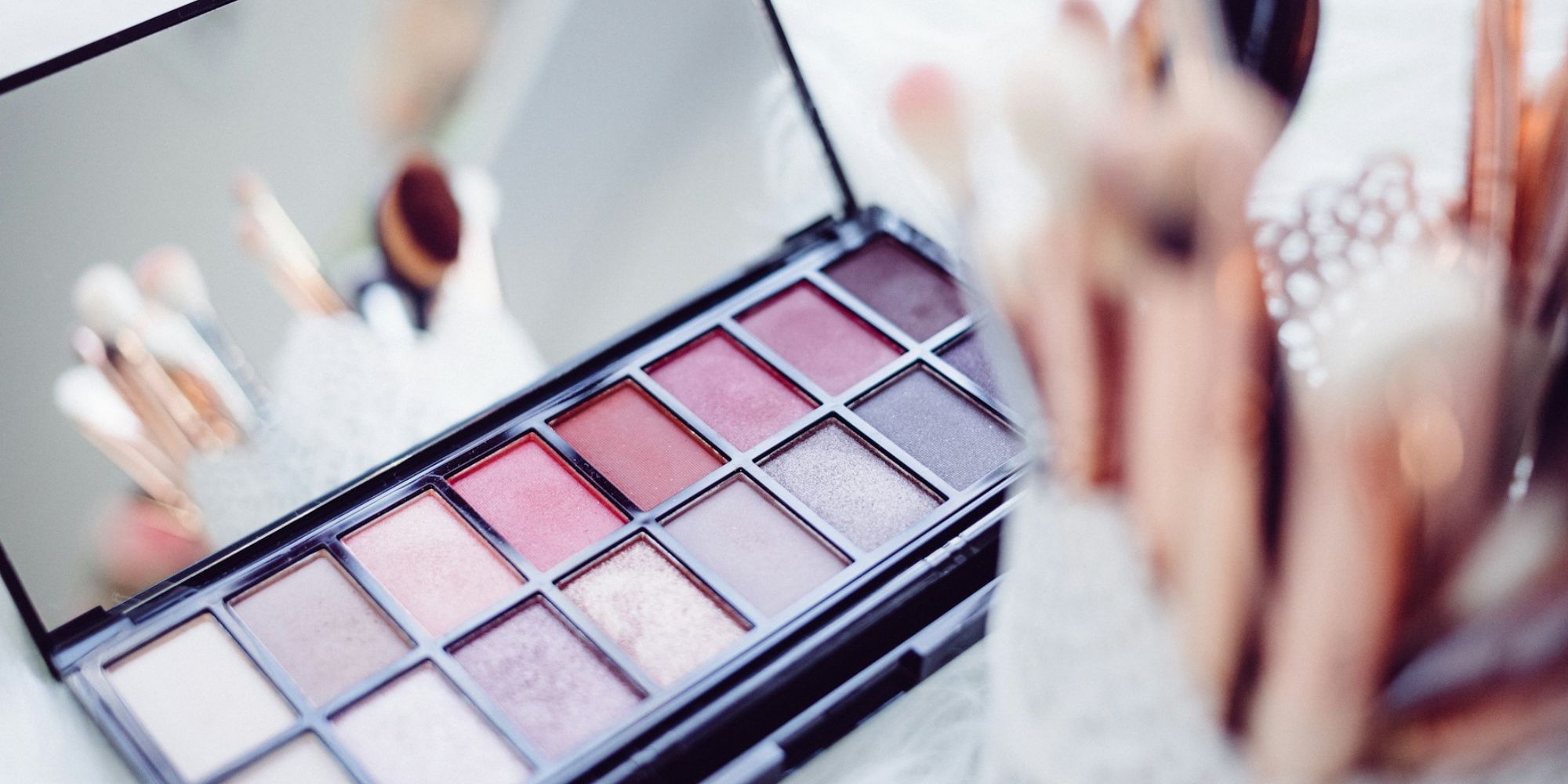
Makeup is art: The watercolour trend
While 2016 has been nostalgically recreated in many aspects of 2026, the same cannot be said in terms of makeup trends. Rather than the maximalist looks of bold brows, full-coverage, and matte shades dominating 2016, current makeup trends are shifting towards romantic aesthetics.
Abstract, soft, and slightly dreamy, the watercolour makeup trend has emerged from the collective shift toward ‘skin first’ beauty, with the soft, flushed look providing an elevated take on clean girl glam while maintaining its characteristic subtlety.
How did this beauty trend emerge?
The 2026 MET gala undoubtedly cemented the watercolour blush as celebrities’ favourite look aligning with spring, with it being shown off by icons ranging from Beyonce to Laufey. This year’s theme of ‘Fashion is Art’ saw attendees utilising makeup looks that correspondingly took on a painterly aesthetic. The effect of watercolour blush on skin appears similarly to watercolour paint on paper – it is the ideal choice for emphasising that makeup too is art.
The likes of Sabrina Carpenter in her performances have popularised the look, which is reliant on gentle blending techniques, as on a canvas. The star of the trend is the blush, with the key to a cohesive look being to maintain your chosen cheek tone across the entirety of your face.
With consumer culture increasingly prioritising health and wellbeing, the same trends are being reflected across the beauty industry. Rather than makeup being perceived as masking, as in 2016, this look both emphasizes and enhances natural features. The incorporation of makeup into a softer, more breathable finish makes this trend accessible to the everyday consumer.
How can I achieve this look?
As a relatively mimicable look, there are only a few simple steps to achieving watercolour makeup.
The most important key to success is prepping your skin, with the look relying on a naturally hydrated finish – it is essential to have the right products, such as a lightweight moisturiser and blendable cream. If you are partial to foundation, mixing it with the moisturiser will ensure that it melts into your complexion, creating coverage that still maintains a dewy base.
Essential to achieving the watercolour effect is the application: opt for a cream or liquid that you can blend upwards and outwards to create a tint. Application using a damp sponge will achieve a naturally diffused look, though anything can work as long as you blend with care. In order to have makeup that looks effortless, you must avoid powdery products which won’t melt in the same way. To create a truly seamless look, the same blush formula should be used across the cheeks, lips, and eyes, which can then be elevated as necessary with a clear gloss.
According to Lauren Hogsden, national brow and beauty authority at Benefit Cosmetics UK, we should be opting for “dewy or satin finishes to maintain a luminous appearance,” with the significance of the look revolving around creating a glowing texture, hence the avoidance of anything overly matte. “In terms of shades, fresh pinks, soft corals, warm berries and peachy tones are ideal, as they closely mimic a natural, healthy flush.” Think of creating a buildable colour payoff that will allow the natural skin to shine through.
Though this look can’t be characterised as a full glam routine, watercolour makeup is open to personal flair. The abstract inspiration could manifest in a layered eyeshadow painted on in strokes, or a coat of mascara in the same hue to elevate your look.
Recommended products for achieving this look
Vogue has suggested products ranging from ‘Victoria Beckham Beauty, Colour Wash,’ to Glossier Cloud Paint, fitting any type of budget.
For the lips, Space NK provides a variety of products such as the water-based stain, ‘Milk Makeup Cooling Water Jelly Tint’ which is ideal for achieving pigment, or cream-based products such as ‘REFY Lip Balm’ that are ideal for embracing a blurred look.
Comments