The never-ending ‘noise’ surrounding female talents in male-dominated fanbases
It always begins in the same manner. Whenever a new female-led superhero project is announced, a familiar pattern of backlash immediately follows suit. From Brie Larson to the latest target, Milly Alcock, women entering male-dominated fan spaces are always met with intense scrutiny, which rarely centres around their craft and passion for the project. This hostility extends beyond the comic-book fanbases, surfacing in other fandoms such as Star Wars, Game of Thrones, and many more.
In a recent interview with Vanity Fair, Milly Alcock, who will be starring as the lead in upcoming Supergirl, gave a perfectly measurable response when asked about the potential backlash she will face leading up to the film’s release. Alcock, who is no stranger to being part of a project with a largely male-dominated fanbase (with House of the Dragon being her first), responded, “I can’t really stop them. I can only be myself.”
These artists are often expected to conform to a hyper-feminised ideal, one that prioritises visual appeal over any character depth
This calm perspective from Alcock was largely distorted online. Much of the criticism aimed at her ever since she was first cast for the role has focused not on her acting ability and talents, but rather on her appearance, as some dismissed her to be ‘too boyish’ to portray the role of Kara Zor-El. This particular fixation on whether an actress’s looks are right for the role, especially in projects revolving around female characters in male-dominated fanbases is not novel. It reveals that these artists are often expected to conform to a hyper-feminised ideal, one that prioritises visual appeal over any character depth.
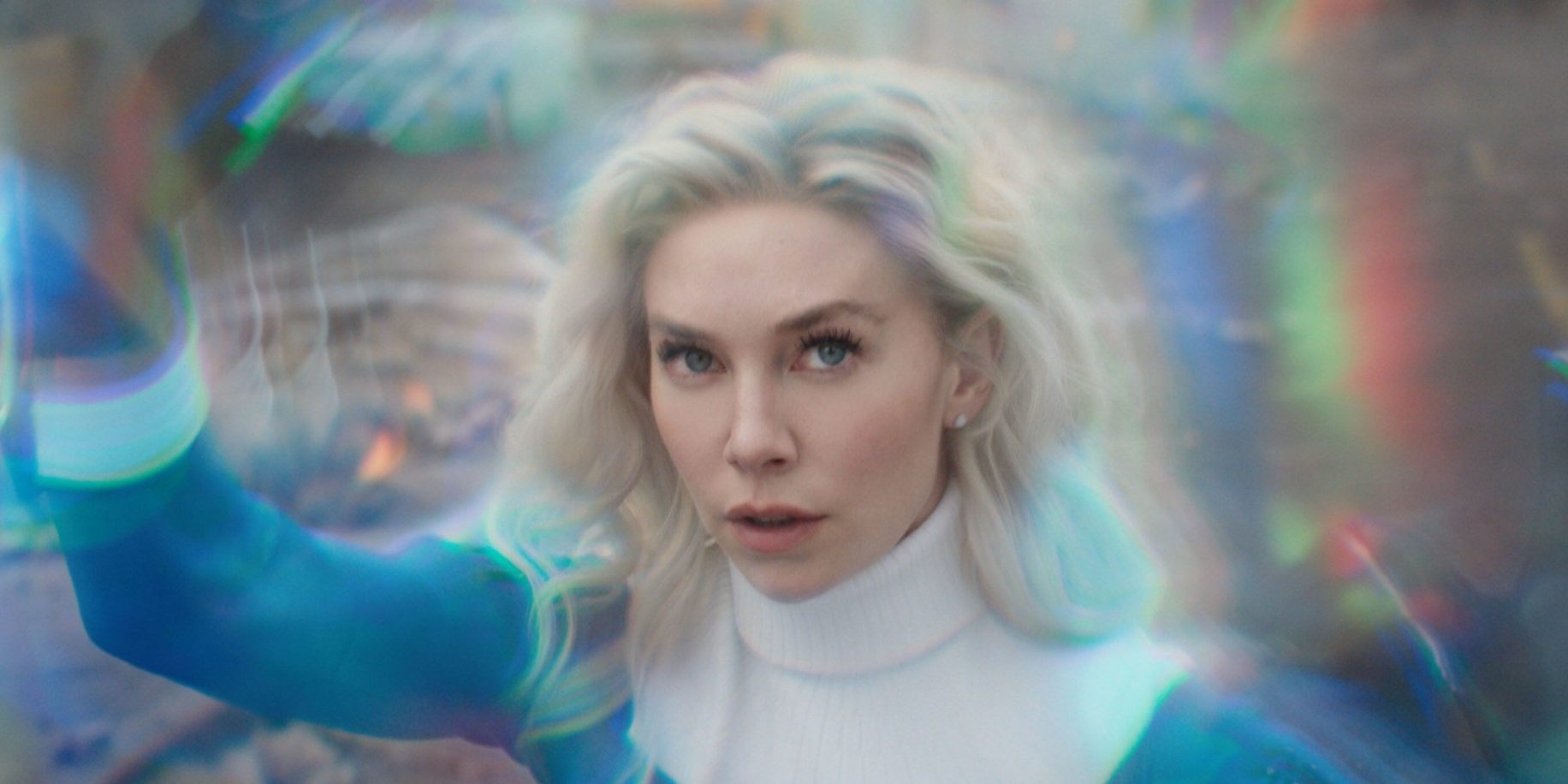
This pattern can be seen in many instances. With the recent release of The Fantastic Four: First Steps in July 2025, this particular corner of the internet saw it fit to compare Sue Storm’s costume in the new movie to the tight and hyper-sexualised costume of Sue Storm in the 2005 film, a design that was unfortunately common for any female superhero to wear in the 2000s. This further reinforces the idea that these female characters must be placed into a particularly confined box to appease the male-dominated audience, regardless of the fact that Sue Storm’s characterisation in the latest movie added more depth to her character.
Alcock’s experience is far from unique as it can be seen when Brie Larson’s role in Captain Marvel became a catalyst for online outrage and review bombing, a common form of backlash seen against female-led movies, fuelled not only by the film itself but by interviews and Larson’s public persona, taken largely out of context for the purpose of online clickbait and grifting.
Meaningful support only emerges once harassment escalates to a dangerous level and more often than not, this outright support rarely happens at all
Support for targeted actresses has historically been inconsistent. Too frequently, meaningful support only emerges once harassment escalates to a dangerous level and more often than not, this outright support rarely happens at all. While studios benefit from the visibility generated by online discourse, it always comes at the expense of throwing the actors, particularly women of colour, to the wolves.
Ultimately, this issue is not centred around film critiques, a central facet of any artistic ecosystem, but rather a disproportionate targeting of women, where ‘criticism’ becomes personal, misogynistic, and detached from the very work put in by these artists in the first place. As Ms. Marvel producer Sana Amanat put it, this wave of vitriol aimed at these actresses largely comes from a place of anger, and these people seemingly cannot connect with the character that they see on screen. For many actresses (or even female crew members) navigating the uncharted waters of these projects, the challenge lies not only in delivering an impactful project but also in managing this loud ecosystem, which scrutinises their every move.
Comments