In defence of the ballet from a non-ballet dancer
I am not a ballet dancer. Little me might have tried desperately to become one, but the artistic merit and the sheer strength the graceful athletes, who have both dedicated their lives to training their bodies and refining their insane talents, was way out of my ability. Perhaps this has aided my perspective, as not only have I had a firsthand glimpse at the dexterity, pressures and effort that it takes to form these beautiful tableaux, but I have watched the majestic and effortless dancers from the safety of the stalls.
So I care. I care very deeply about ballet.
Theatre, music and dance are seen as ‘lesser’ than the subjects that the economy and technology-driven society desires, thus the arts are penalised
Timothée Chalamet’s ignorant comments have wounded not just the ballet community, but also the arts sector in general. Hounded by the neo-liberalism that our previous governments have upheld, funding has been dramatically cut for theatres, companies and arts centres, as public funding cuts attack our cultural hubs first.
This gross undervalue of the arts is highlighted particularly by the pervading neo-liberalist views on the education system. Theatre, music and dance are seen as ‘lesser’ than the subjects that the economy and technology-driven society desires, thus the arts are penalised in the governments ranking systems which the marketisation of education has made so important to schools. Therefore, when faced with budgetary cuts and the need to thrive in these league tables, the ‘soft’ arts subjects are discarded. Whilst drama is usually taught at schools and available to most, ballet is almost an exclusive club for the middle classes who can afford to send their children to expensive lessons to learn the intricacies of the sport.
It is storytelling in its most intricate form, told through the contortions and limits of the human body
And thus, we can begin to see the damaging effects of Chalamet’s words on a sport, and art form, that is so deeply threatened. As one of the leading creative forces of cinematic drama, one would have assumed (and hoped) that he would jump to the defence of the theatre.
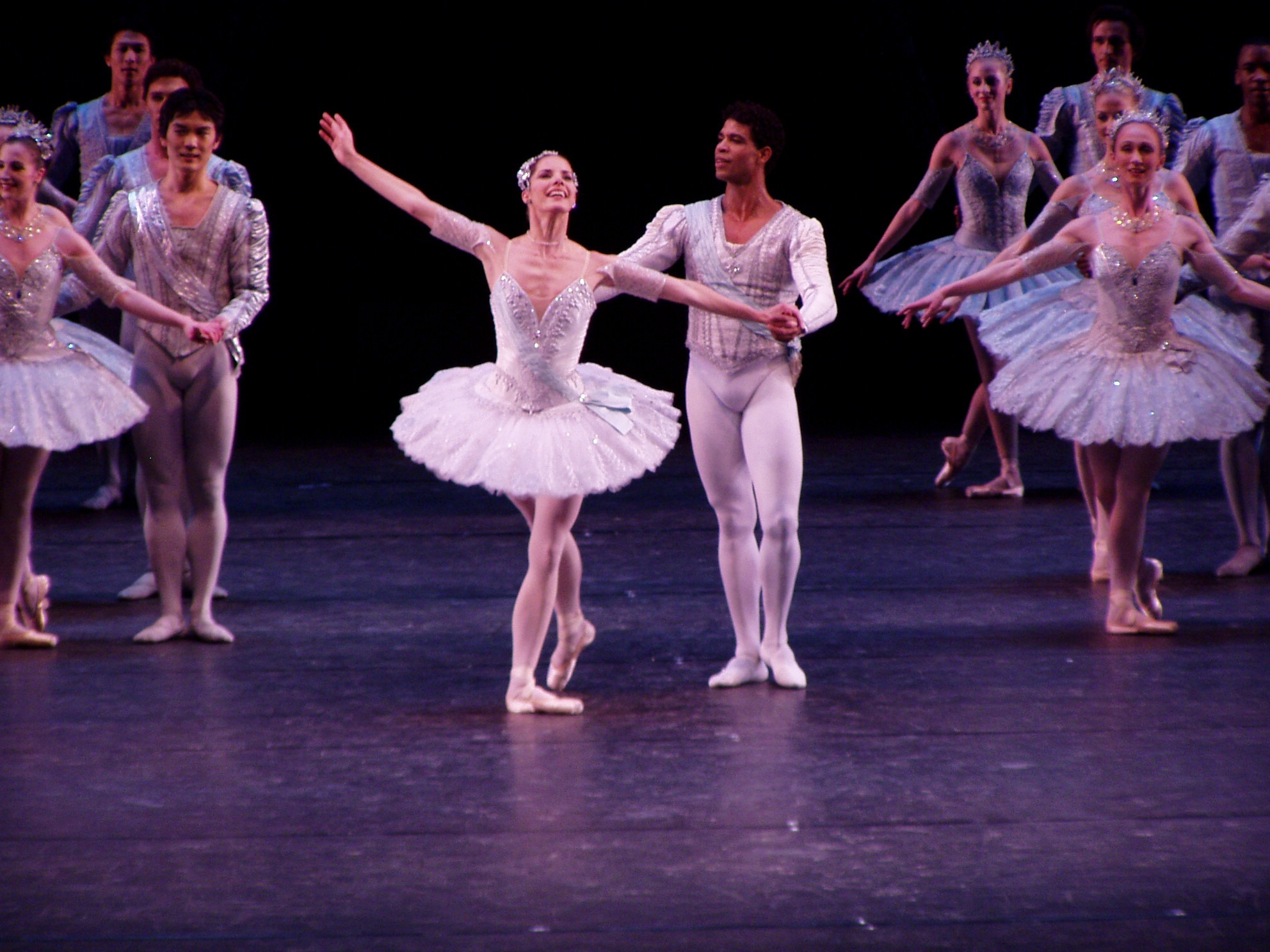
Ballet is not simply dancers stretching their legs, turning in point shoes and moving to the dramatic scores of classical composers. It is storytelling in its most intricate form, told through the contortions and limits of the human body. This nonverbal communication is intense in its movement, communicating emotions and experiences that words struggle to convey. Because ballet is so intimately placed before us, signalling these symbols of passion, love, pain and death with simply a platform between the audience and the dancers, aided only by music’s transformative nature and intricate backdrops, these emotions are communicated at a much more personal and mesmerising way. It allows us to be submerged into the medieval past of Giselle, and as if we too are haunted by the Wilis by Act Two. This manipulation of empathy leaves the audience more deeply affected by its intimacy, thinking over the moralistic questions the classical canon provides.
Ballet is not simply dancers doing set exercises on the stage but taking these canon steps and transforming them into magnificent stories, or vice versa, taking stories and turning them into magnificent steps, such as Sleeping Beauty and Romeo and Juliet. The eccentricities, variation and dramas of ballets mean there is one for everyone, whether one wants their heart broken by unrequited love and betrayal in Giselle, or to laugh at the comedic, silly and parody-ridden Alice and Wonderland. Ballet does not consist of just plain pink leotards and tutus, each dancer is adorned with ornate costumes, blinging with intricacy painstakingly fashioned by hardworking designers and makers. Take the traditional Nutcracker for example: the Victorian crinolines and elegant, rich party gowns, to the mice’s ginormous heads, to Drosselmeyer’s dramatic and eccentric coat, to the pastels and vibrancy of the inhabitants of the land of the sweets. Ballet isn’t simply the way the dancers evoke emotion through their movement, but the costumes provide an aesthetic and glorious watch too.
So, Timothée Chalamet, ballet is an incredibly important art form. One that cannot, is not and will not be left alone, unrivalled in its power to enchant.
Comments