The monkey that has captured the heart of the world
A small Japanese macaque monkey named Punch (or Panchi-kun), currently residing in Japan’s Ichikawa City Zoo, has recently caught the attention of many online. As a small, lonely, and defenceless monkey, Punch is not the most popular with his fellow macaque counterparts. Videos of Punch getting attacked and harassed by other territorial monkeys have gone viral and won him sympathy in the millions.
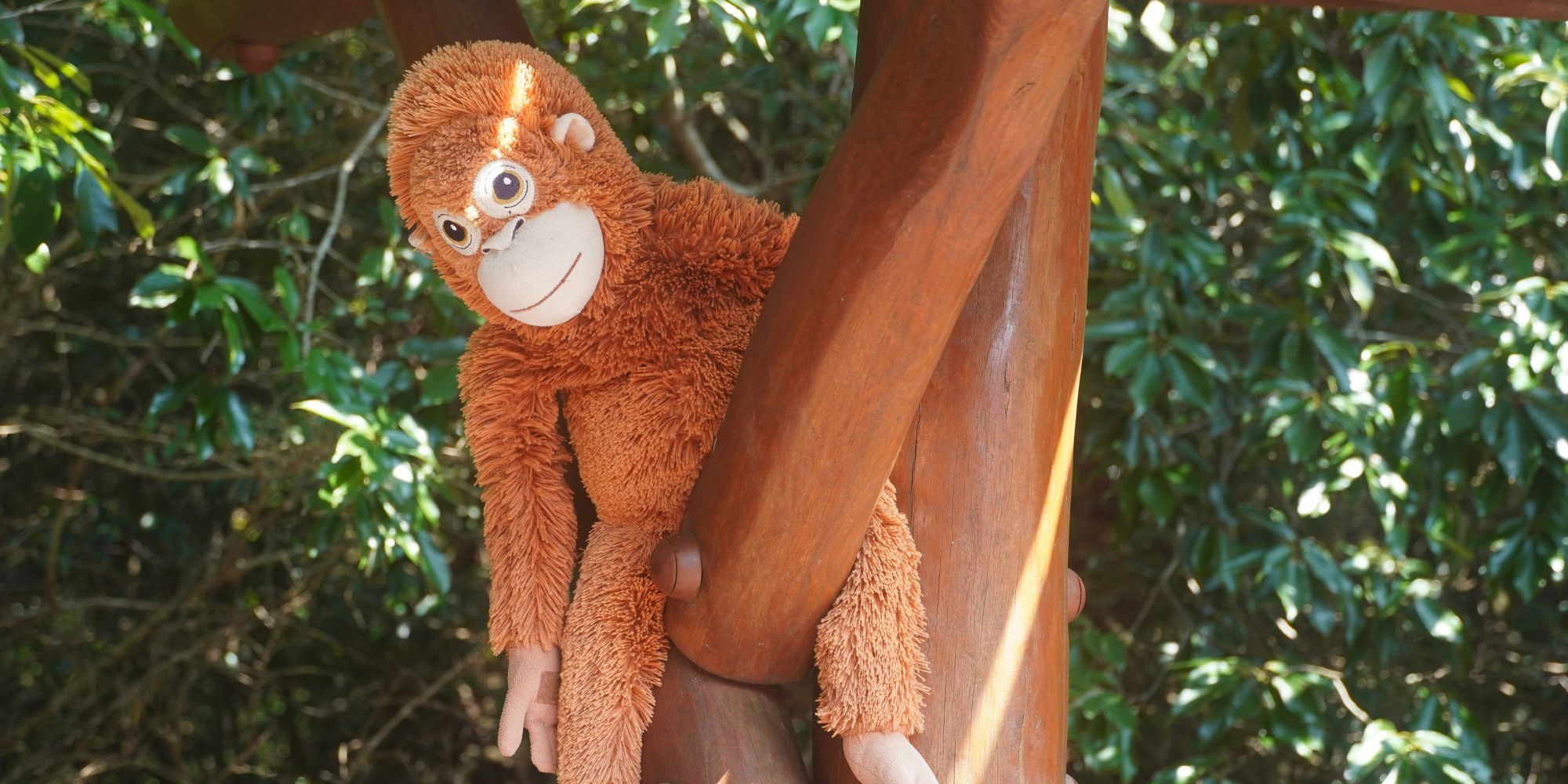
A heartbreaking story about a cute monkey who just wants to fit in has enough emotional charge on its own. Now, embellish this with the fact that zookeepers have given Punch an orangutan plushie as a comfort toy, in place of his mother. His devotion to this plushie as he runs to embrace it when disturbed by other monkeys is most likely what tugs at the heartstrings of viewers the most.
So why is it that Punch has enraptured the world with his struggle story? Whilst it’s clear that trend culture has a significant role to play in the infatuation that has taken over so many Instagram reel or TikTok scrollers, is it possible that there are more layers to this attachment?
Part of the answer may lie in how easily Punch’s behaviour mirrors something deeply human. The image of a small creature clinging to a soft toy for comfort is instantly recognisable. It recalls childhood security blankets, teddy bears, or even the quiet ways adults seek comfort during stress. In Punch, I’m reminded of Harlow’s monkey study on attachment, where baby monkeys were more prone to seeking out comfort over food in crisis.
In many ways, the viral fascination with Punch reflects the internet’s appetite for small moments of tenderness amid a relentless news cycle
There is also something strikingly familiar about the plush toy dynamic for pet owners. Many people have watched their dogs drag around a worn-out stuffed animal or cling to a favourite blanket. Seeing Punch cradle his orangutan toy almost resembles a pet seeking reassurance from an object that smells safe and familiar. The difference, of course, is that Punch’s situation carries a deeper emotional weight as it appears to substitute a missing social bond.
The internet, perhaps unsurprisingly, amplifies this emotional connection. Social media thrives on stories that are easily digestible but emotionally potent. Punch fits this formula perfectly: a clear protagonist, a visible struggle, and a comforting resolution in the form of a toy companion. Within seconds, viewers understand the narrative and are invited to feel protective. The story is simple, which allows for the reaction to be intense.
Yet the viral reaction also reveals something about our modern relationship with animals in general. Humans have long projected emotions and narratives onto animals, such as of beloved cartoon characters or the way we talk to pets as though they understand every word. Punch’s story encourages the same instinct. We read loneliness, fear, and relief in his actions because these emotions are so deeply ingrained in our own experiences.
If a lonely macaque hugging an orangutan plushie can inspire millions of people to pause, feel empathy, and share concern, however brief it may be, then maybe that reaction reveals something hopeful about human nature
In many ways, the viral fascination with Punch reflects the internet’s appetite for small moments of tenderness amid a relentless news cycle. Amid headlines dominated by conflict, politics, and crisis, a tiny monkey hugging a plush toy provides a rare moment of uncomplicated empathy. It is a story that asks very little of us except to care.
Of course, there is also a slightly uncomfortable side to this fascination. Punch’s vulnerability is what makes him endearing, but it is also a reminder that the viral moment stems from a real animal navigating a stressful social environment. While the plush toy offers comfort, the millions of views it generates highlight the strange intersection between animal welfare and internet spectacle.
Still, perhaps the global affection for Punch is not entirely superficial. If a lonely macaque hugging an orangutan plushie can inspire millions of people to pause, feel empathy, and share concern, however brief it may be, then maybe that reaction reveals something hopeful about human nature.
Punch may not realise it, but his small act of clutching a soft toy has become a symbol of something surprisingly universal: the need for comfort, connection, and a safe place to turn when the world feels a little too hostile.
Comments