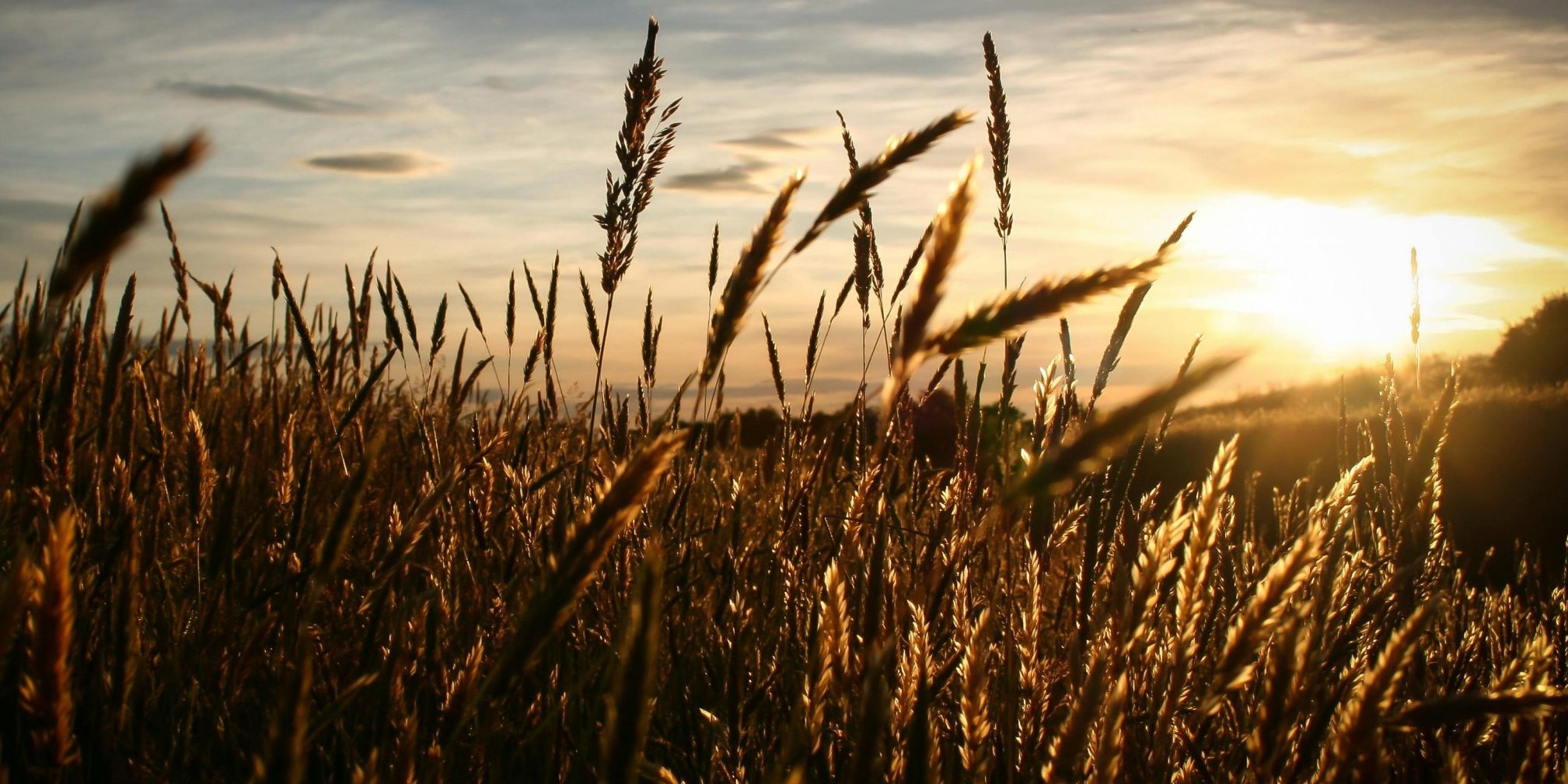
Leamington’s community is fighting for sustainability in the food industry
From the bus window, I looked out on miles of identical farmland. Most farms on the outskirts of Leamington operate monocultures. Unlike traditional methods, which incorporate dead vegetation back into the soil to keep crops fertilised, monocultures demand large amounts of chemical fertiliser and pesticide to remain productive. These chemicals degrade soil, making monoculture an unsustainable farming practice. Despite this, they are used on a whopping 80% of today’s farmland, leading scientists to predict that 95% of the Earth’s soils will be degraded by 2050, which would effectively lead to a crisis in food production.
Suddenly, a small sign which read “Canalside community food” whizzed past. I slammed the stop button, but the driver had already passed it. From the next closest stop, I walked back along the main road whilst oncoming traffic tried to dodge me. Each car seemed to be asking, “What are you doing out here?”
Just outside Leamington is a small community-owned organic farm called Canalside. Canalside is one of several locations that are part of the global Community Supported Agriculture scheme, which “promotes sustainable farming practices”. Canalside’s members are championing the cause of sustainable food production by avoiding the use of chemical fertilisers and pesticides which harm the soil; it is an entirely organic farm.
Canalside may have found the key to drawing people into the fight for sustainability
However, to achieve their aims, Canalside’s workers must fight against a food system dominated by unsustainable practices. As the farmer and author James Rebanks shows in his book English Pastoral, the short-term efficiency gains of monoculture farming have fixed the price of food to an unsustainably low level. Speaking with the farmer who sold his land in 2018 so it could become Canalside, I learned that to stay afloat, they rely on membership fees.
Although membership fees can potentially block low-income earners from joining the fight against unsustainability, they are integral and essential for the smallholding to stay afloat. With investment into sustainable food practices lacking, concerned citizens are now paying out of their own pocket into grassroots organisations such as Canalside, with the hope that this could help to secure the future of food.
The fee also includes entry to the various social events and activities Canalside plans throughout the year, such as Maypole dancing. All three of the members I interviewed (and many more informally) testified to the community value of participating at Canalside. Monoculture farms, which rely heavily on machinery and require fewer people to work the land, no longer have the same sense of community that older ways of farming did, and Canalside seems to have keyed into this missing aspect of people’s lives.
One member I spoke to had grown up on a farm before the widespread transition to monoculture, machinery and chemical inputs. After lamenting the “loss of community” this transition caused, she testified to how Canalside has revived it for her. “It’s seamless, the connection between how it was when I was growing up and what we’re doing on Canalside now.” By bringing people together and strengthening community ties, Canalside may have found the key to drawing people into the fight for sustainability.
Comments (1)
Great article, I’ll be sure to visit!