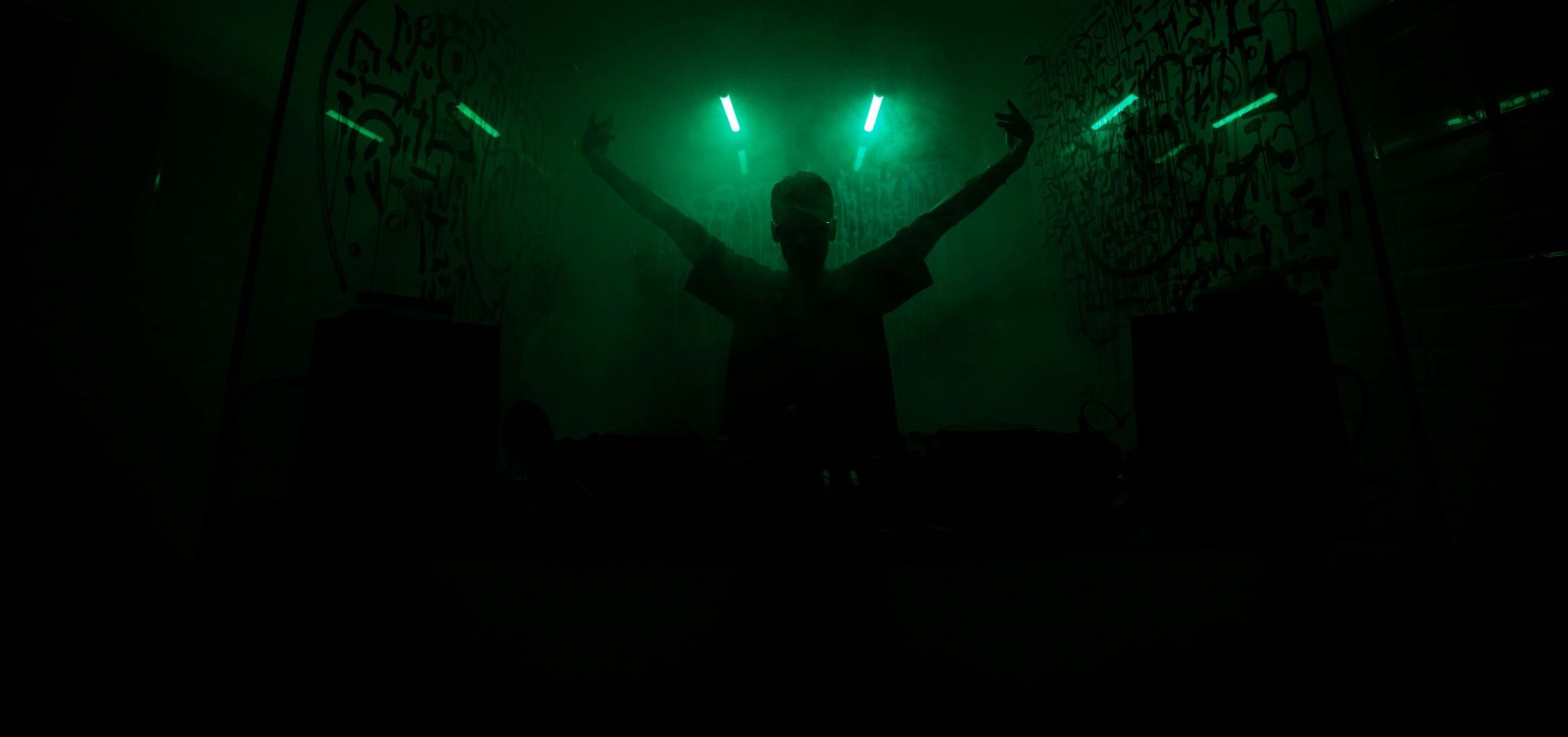
Underground, Unbowed: JB on his journey of turning volume into resistance
It’s 2026. Reform UK is surging in the polls. Public trust is dwindling. When Matthew Goodwin said a piece of paper does not make you British, the message was clear: belonging is conditional. Where does that leave the youth? No third space, no freedom, no hope.
Enter JB (the admin of Way2locced), a man of Afro-Caribbean descent, who grew up equally in North-West London and North-West Birmingham.
He founded his events company out of both necessity and vision – “there wasn’t enough ‘underground’ events taking place outside of London … so in turn I decided to ‘locc in’ and just bring the events to the Midlands myself”. By relocating underground culture from London to the Midlands, JB isn’t just organising nights- he’s redistributing cultural capital.
Since then, the platform has grown significantly, with JB now working alongside artists such as Esdeekid – the most high-profile collaborator to date. JB is now seeing himself becoming a vital face in the underground music scene.
Having a healthy third space is quintessential in curbing the rise of right-wing influences
– JB
But these events are more than just music. JB sees the underground spaces as vital ‘third spaces’ – social environments outside of work and home that allow communities to form organically. “Having a healthy third space is quintessential in curbing the rise of right-wing influences”, he says. He notes that many of the genres he platforms “naturally come from left leaning origins”, meaning solidarity often emerges naturally rather than through forced curation. The genres echo histories of resistance, from reggae’s anti-colonial pulse to grime’s chronicling of working-class Britain, the underground has long served as a counter-narrative to state power. Fascism feeds on fragmentation – on convincing people that they are alone, powerless, or under threat. Underground spaces disrupt that narrative. They create collectivity in its rawest form: bodies moving together, strangers sharing space, differences coexisting without permission.
“If you’re hard, you’re hard”, he adds, explaining that his bookings reflect talent and diversity already present within the scene. Far-right movements rely on rigid identities – on who belongs and who doesn’t. Underground dance floors blur these lines, they transform into spaces where race, class and background collapse into rhythm. The solidarity may not be branded as activism, but it is radical nonetheless.
There is something quietly subversive about joy in hostile climates. To dance, to gather, to create culture in the face of reactionary politics is not escapism – it is refusal. In an era where political identity is increasingly shaped in echo chambers online, physical third spaces matter now more than ever. They offer something algorithms can’t: human proximity.
I would definitively like to increase the inclusion of female artists to my brand
– JB
When it comes to gender representation and looking to the future, JB is reflective but proactive. Whilst acknowledging that female artists are an area for growth, he points out that every one of his six events in 2024 featured at least one female DJ, with the same commitment continuing into 2025. “Female representation is highly important to the scene which is why I’ve always included female DJs, but I would definitively like to increase the inclusion of female artists to my brand!”.
The underground has always known: if you can’t silence the system, you outlive it.
Comments