‘Spoiler-Phobia’: Is spoiler culture ruining TV?
In the lead-up to the recent conclusion of Stranger Things, fans were faced with a choice. Abandon Christmas and New Year’s celebrations to watch hours’ worth of television the moment episodes were released or resist the urge to check social media in fear of being spoiled.
This might seem like a simple decision, but the release strategy of Stranger Things 5 by Netflix shows just how unavoidable spoilers are becoming.
Netflix gained its popularity largely by pioneering the unique ‘binge model’ with shows like House of Cards and early seasons of Stranger Things which saw all episodes released on a single day.
Now, however, Netflix, armed with loyal subscribers, has moved Stranger Things and other fan-favourite shows away from the ‘binge model’, often releasing seasons in two instalments separated by month-long gaps. With Stranger Things 5, Netflix went even further, dropping the final season in three ‘volumes’.
Netflix capitalises on three distinct opportunities for fans to rush online with the big reveals and twists
In doing this, Netflix capitalises on three distinct opportunities for fans to rush online with the big reveals and twists from new episodes. Introducing ‘spoiler-phobia’. Knowing that spoilers will be almost instantly posted online when new episodes release, fans are inclined to tune in to Netflix as soon as the newest instalment is available, compelled by the fear of someone else getting there first and ruining the plot.
Even more alarming, Stranger Things 5 seems to have been strategically released in alignment with two immensely popular public holidays – Christmas and New Year’s Day – to ensure viewers would be at home with no excuse but to watch.
This tactical release of hugely popular TV series makes spoilers unavoidable, but are we making them worse?
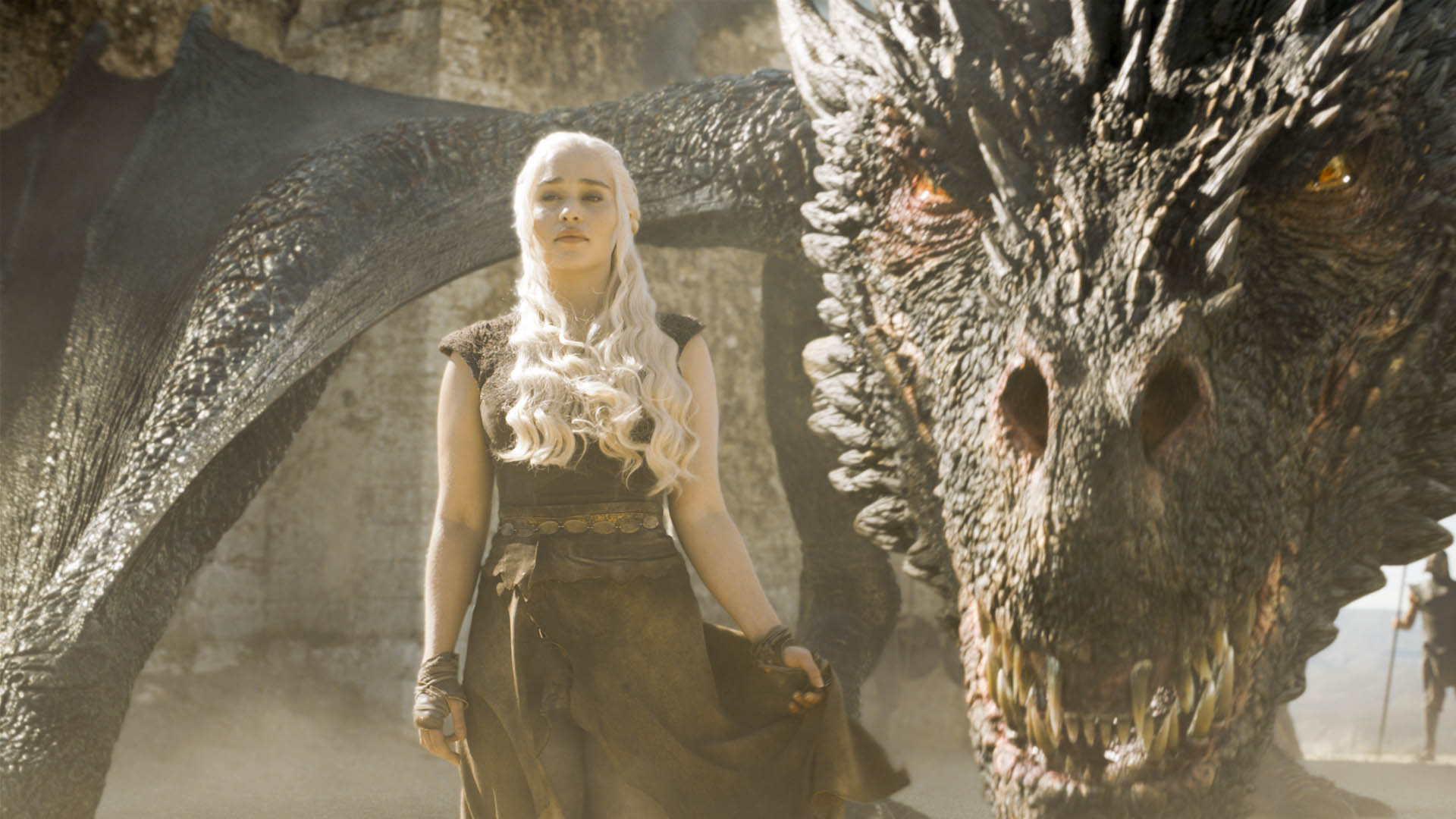
Hannah Kahlert writes for Midia that TV has changed since the spoiler-heavy days of Game of Thrones, and that excitement surrounding new episodes of TV is not experienced by the general public as it used to be, insteadconfined to niche online spaces determined by personal algorithms.
Audiences are isolated in social-media bubbles
Kahlert takes the largely popular The White Lotus as an example of how audiences are isolated in social-media bubbles. If you watch a series week-by-week, your social media algorithms will inevitably send the latest spoiler-filled content your way.
Once again, we return to a hopeless solution: turn off your phone. No chance.
To ask this of the TV viewer is ridiculous. Social media is an unavoidable step in the morning routine of most TV fans, but opening social apps the morning after an episode release on streaming is a considerable risk, especially if your favourite show happens to be on HBO.
HBO shows like Succession, The Last of Us, and Euphoria are all released weekly on US timings – in the middle of the night for the UK – meaning British fans won’t watch them until a day later. It’s what New Statesman writer Sarah Manavis calls a “transatlantic delay.” Combine this with the almost instinctive desire to check social media in the morning, and spoilers are on their way to you before you have the chance to look away. As Jack King writes for GQ: “Twitter has become the morning paper of the cripplingly online.”
Perhaps then, it is time for those TV fans who cannot part with their daily scroll to consider whether spoilers are really that catastrophic. Jason Okundaye writes in the Guardian that “knowing what happens brings a different kind of pleasure to the viewing experience”, and compares spoilers to how ancient Greeks knew the endings to tragedy plays they watched: “you’re one step ahead of the characters, and you point out the bits of foreshadowing and feel pleased with yourself.”
It seems that ‘spoiler-phobia’ is only getting worse
Maybe viewers should change the way they value TV. Maybe the surprise death, long-awaited romance, and jaw-dropping twist aren’t the only parts of our favourite shows that deserve our admiration. Jack King reflects in the GQ article on having Succession spoiled for him by a colleague, and puts it bluntly: “My jaw, I assure you, still hit the floor.” Maybe, if we know how the story ends, we can take more time enjoying the ‘getting there’.
Regardless, it seems that ‘spoiler-phobia’ is only getting worse, and the recent finale of Stranger Things proves that streaming services like Netflix are not going to sacrifice the profitability of their content by making it any easier on spoiler-averse fans.
Instead, it looks like TV viewers need to make changes in their own habits to make sure they’re still enjoying television. For those who can’t abandon social media, it might be time to redefine what really counts as being ‘spoiled’.After all, the best moments in TV aren’t the ones typically posted on social media feeds after the episode drops.
Arguably, good quality TV will be constantly thrilling, emotional, or comedic, meaning viewers are less likely to feel defeated by one moment being spoiled. Seeking out TV of this consistent quality, rather than shows that rely on a single ‘spoiler-worthy’ moment each episode for impact, might be the best way to conquer ‘spoiler-phobia’.
Comments