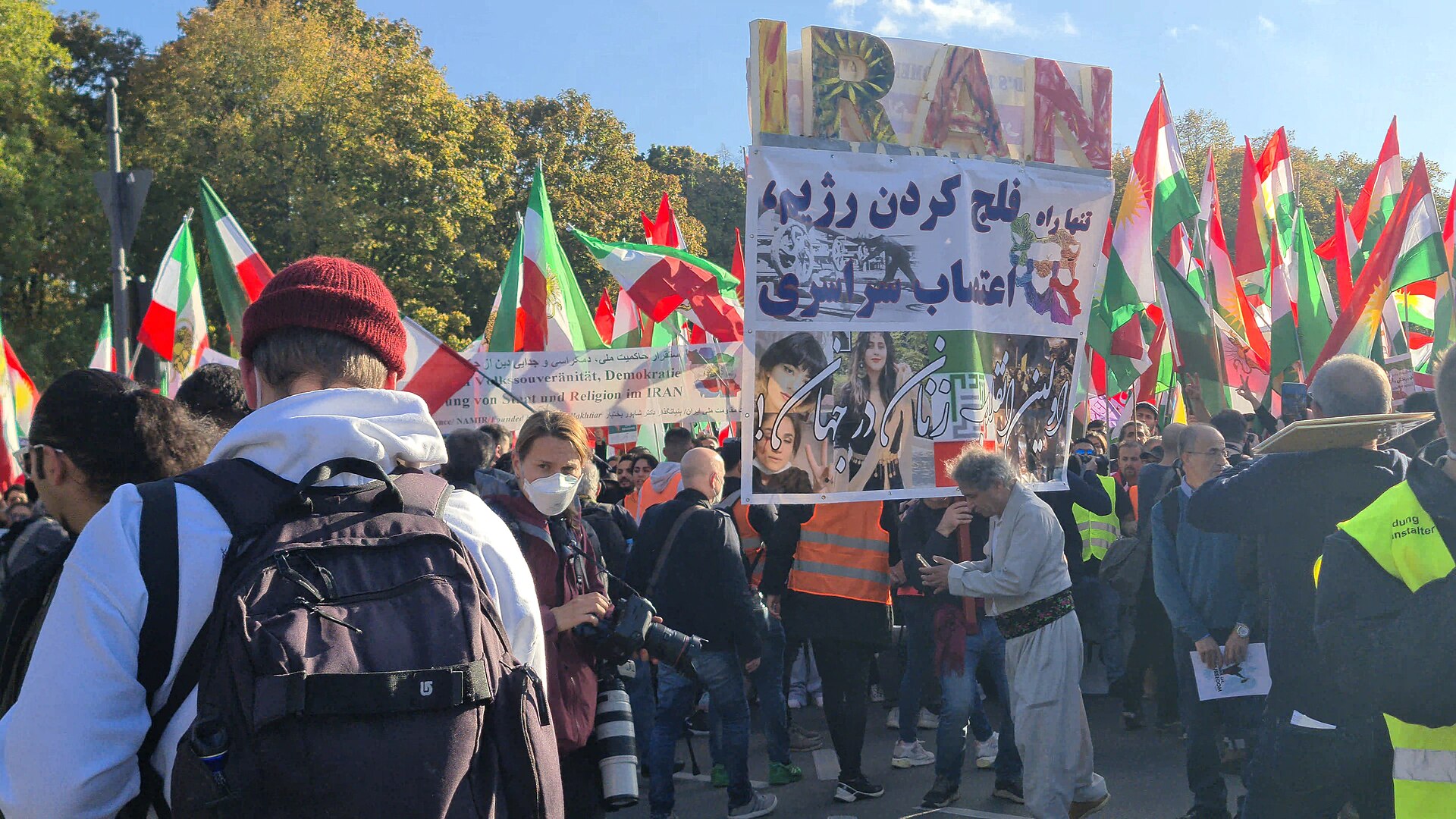
Iranian anti-government protests escalate as tensions with the United States deepen
In a continued wave of unrest, Iranian university students have taken to the streets across Tehran and other major cities, with violent clashes reported at Sharif University of Technology and Shahid Beheshti University.
The demonstrations follow months of anti-government protest after January’s deadly crackdown ordered by Supreme Leader Ali Khamenei, with reported casualties potentially exceeding 11,000 across both sides.
The renewed protests come at a hazardous time for Iran, as tensions with the United States grow and the prospect of US military involvement in the region appears increasingly plausible.
These demonstrations are part of a broader movement that has persisted since Khamenei’s forceful response to earlier nationwide protests, initially driven by economic hardship and anger over diminished political freedoms
Over the weekend and into this week, hundreds of students gathered on campuses nationwide. Protesters chanted anti-government slogans, staged sit-ins and, at times, clashed with security forces and pro-government groups. Footage verified by the BBC from Sharif University showed demonstrators burning flags, singing anti-government songs, and demanding justice for the thousands reported killed in unrest throughout 2026.
These demonstrations are part of a broader movement that has persisted since Khamenei’s forceful response to earlier nationwide protests, initially driven by economic hardship and anger over diminished political freedoms.
Human rights organisations such as Human Rights Activists in Iran (HRANA) have reported thousands of deaths during the crackdown. Tehran has disputed these figures, arguing that much of the violence was caused by protesters themselves.
For many Iranian students, the protests are about more than economic struggle. They reflect a deep-rooted desire for political change that has persisted despite enormous repression
The unrest unfolds against the backdrop of strained nuclear negotiations between Washington and Tehran. While diplomatic talks continue in Europe, the stalemate has fuelled debate as to whether the US may consider more direct action.
In an interview with Al Jazeera, Iranian officials warned that any strike by Donald Trump would prompt a “ferocious” response. Trump has maintained that limited military action remains an option should diplomacy fail. An increased U.S. military presence in the region has only intensified these concerns.
For many Iranian students, the protests are about more than economic struggle. They reflect a deep-rooted desire for political change that has persisted despite enormous repression. The coming weeks will test both the regime’s tolerance for dissent and the limits of international pressure in an increasingly volatile geopolitical climate.
Comments