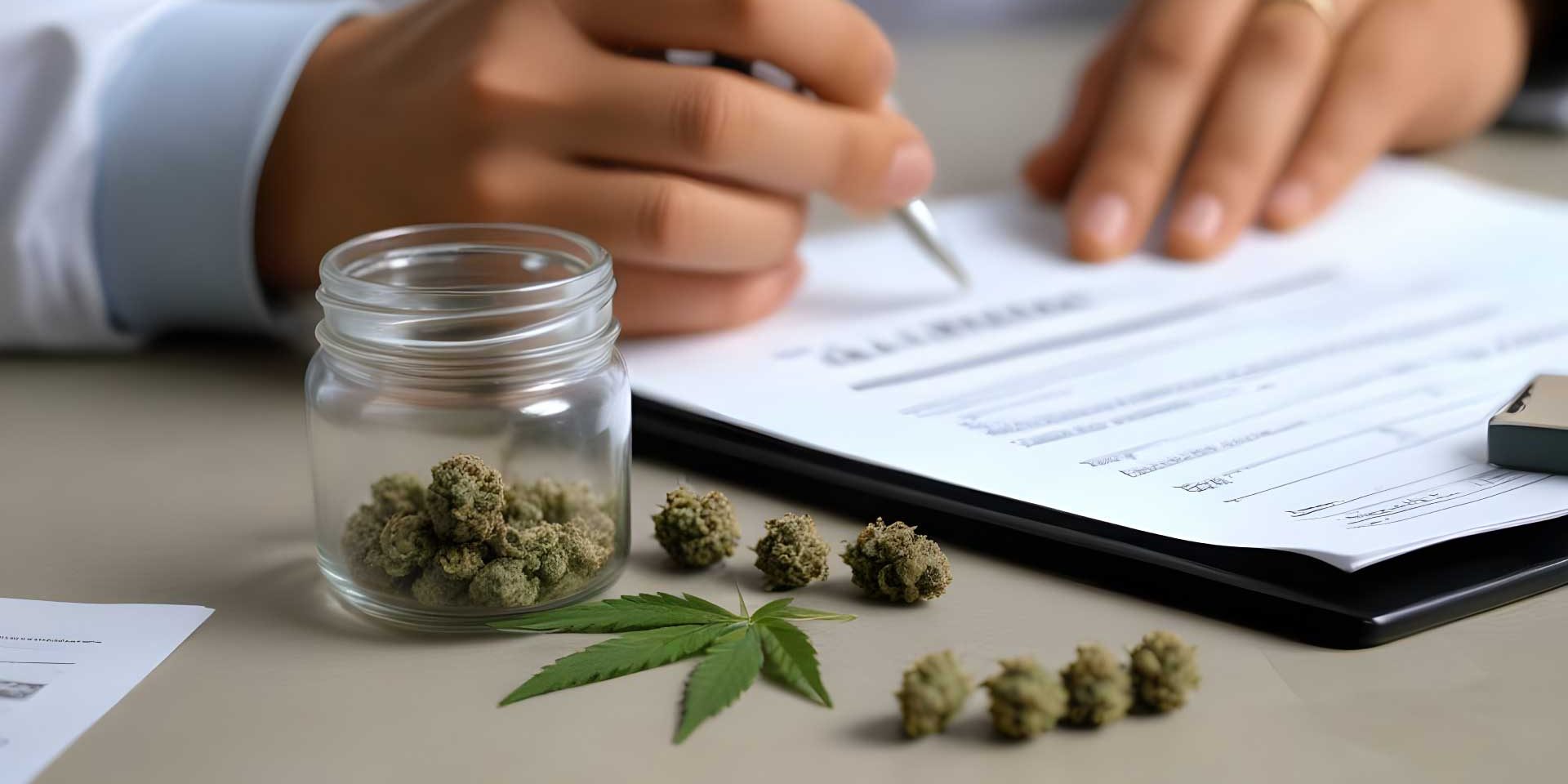
A case for drug legalisation
Zack Polanski, the leader of the Green Party, has received a lot of attention for his “radical” position on wanting to legalise all drugs. Keir Starmer called the Greens ‘nuts’ for the idea, whilst Zia Yusuf has frequently used Zack’s policy idea as a route of attack. Of course, discussions around drug reform are not new: in 2014, even Nigel Farage supported the legalisation of certain drugs. And in this article, I will too. My argument is that all drugs should be legalised, and I will present the benefits that legalisation would bring.
As university students, it is safe to say that we enjoy drinking alcohol. Alcohol is a great comparison to illegal drugs; it itself is a drug, and it kills many more people annually than drugs like cocaine. When I, or you, walk into a store and look at the alcohol section, we are bombarded with options. All these options that we see are owned by a legitimate company, regulated through our laws, and inform people about what they are. For example, I know that Guinness has 4.2% alcohol by volume and Smirnoff is around 40%. I also know that certain drinks may be flavoured, such as Strongbow dark fruits. These things are important because consumers can make informed choices about what they buy and how they consume it.
Imagine if Smirnoff vodka were an anonymous drink in a bottle, with no label, branding, or information
Now imagine if Smirnoff vodka were an anonymous drink in a bottle, with no label, branding, or information. You may end up drinking that Smirnoff bottle, at 40% alcohol by volume, as if it were a 4% cider (if you can muscle your way through the taste) and end up in a pretty sorry state. This is important because this is what happens when people buy illicit drugs such as crack cocaine, heroin, or marijuana.
I will use cocaine as my example. If I were to buy cocaine from a street dealer somewhere, I would most likely have no idea about the purity of the product, where it comes from, or any other necessary information. Evidence suggests that cocaine purity can differ year by year, per product, and per seller. Cocaine purity works in a similar vein to alcohol per volume; the higher the purity, the stronger the product and thus the more strength it carries.
Additionally, cocaine can often be laced with other products to bulk up the weight of the product (increasing the sale price) whilst decreasing its purity. One common thing added to cocaine is fentanyl, an extremely dangerous additive. If I bought cocaine from the street, I would have no idea if the product was 10% or 90% pure, laced with a product that could easily kill me, or not.
If I were hospitalised from accidentally overdosing on cocaine, would I really go to the police?
If I were hospitalised from accidentally overdosing on cocaine, would I really go to the police? The substance that made me that way is illegal to purchase, and the street dealer is an anonymous figure. Can and will the police really do much? Legalisation addresses these issues by mandating registered, law-abiding companies to disclose the details of their products; otherwise, they would be breaking various laws and face serious legal and brand damage. This would, therefore, make drug consumption safer.
Another benefit of drug legalisation would be the impact it would have on crime. Johann Hari, in an amazing book titled ‘Chasing the Scream’ talking about drug addiction, details how illicit drug selling breeds criminal organisations, which in turn creates vast crime. The way that drug dealers and criminal groups gain market share is by using violence and creating an aura of intimidation and fear. If I stole illegal drugs from a street dealer, they wouldn’t call the police. They enact their own form of “justice”, which likely means broken bones or worse. They do this to maintain their scary image and because they evidently cannot rely on law enforcement. However, if I stole a bottle of alcohol from Tesco, store workers may call the police to report the crime or have security guards apprehend me. This is much safer than drug dealers chasing me.
Moreover, if two rival gangs or drug dealers are competing for the same area to sell drugs, violence ensues, known as ‘turf wars’. This is because the only way to gain an advantage on your opponent in the illegal drug market is to: 1. Take them out yourself, 2. Wait for the police to deal with them, or 3. They decide to retire from drug dealing. Option 1 is the only one you can trust and is the most timely, thus explaining why between 2018 and 2023, over 50% of homicides in England and Wales were drug-related, with a total of over 1,600.
This is what I envision for future legalised narcotics companies: they abide by established laws and market their product truthfully
Legalisation would help to decrease these figures and introduce another reality. If a legal, established company wants to gain market share, it will not physically take out its competition. Does the CEO of Heineken wait to murder the CEO of Budweiser to increase market share? No. Instead, they run TV adverts or run publicity campaigns. This is the same for any established, legal company, whether it’s Heineken, McDonald’s or Nike. And this is what I envision for future legalised narcotics companies: they abide by established laws and market their product truthfully.
The final point that I will make for drug legalisation is that we need to treat drug users better, and we can do this better if drugs were legalised. We spend a significant amount of money combating illegal drugs. One report shows that £1.4 billion goes to drug-related police enforcement and criminal justice system costs annually in England. This money is spent on people distributing or using drugs, most often coming from lower socio-economic and ethnic minority backgrounds. Over 60,000 people are arrested every year for drug offences in England and Wales.
Rather than spending £1.4 billion on arresting people, money could be spent on initiatives to prevent drug-related crime from ever happening. Contrary to popular belief, the primary reason people become addicted to drugs is due to socio-economic and mental health issues, rather than the narrative that there are chemical products in drugs that make them addictive.
What if the money spent on policing were instead going towards opportunities for those people to live free from drug abuse?
What if the money spent on policing people were instead going towards job creation, treatment services, education, and other opportunities for those people to live free from drug abuse? Would people still be addicted to heroin if they had a fulfilling job to go to, somewhere that they could receive emotional support, or stable housing, as opposed to having none of the above?
Organisations like Alcoholics Anonymous provide former or current heavy alcohol users with a safe space to congregate, talk about their lives, and receive guidance and help from peers and professionals. But if you are addicted to heroin, where do you go? There is no collective space for heroin users to go to without threat or fear of the law. This keeps people addicted to illicit drugs on the fringes of society and isolated, exacerbating their mental health issues and making their lives worse. As the fight against drugs is so expensive, why not spend that tax money more carefully and effectively, rather than the tried and tested practices of locking up and shaming drug users, which have done nothing but prolong the issue?
Although it is 2026, our approach to drugs is still in 1986 and Nancy Reagan’s ‘Just Say No’ campaign.
There are other talking points that I or anyone else on the pro-drug legalisation side could make. These include the discriminatory impact of the War on Drugs on poorer people and people of colour; the tax revenues and legal jobs that could be created from legitimate drug-selling enterprises; successful examples of drug reform in Switzerland and Portugal; the general failure of our current drug policies; and individual liberty to do as you please, among many other reasons. Although it is 2026, our approach to drugs is still in 1986 and Nancy Reagan’s ‘Just Say No’ campaign.
I hope this article encourages you to think more openly about Zack Polanski’s drug legalisation ideas and how they can be beneficial, rather than shrugging them off like some of our other politicians.
Comments (1)
What a radical lefty! Saying we should look after our own people and use tax money effectively? Terrible!