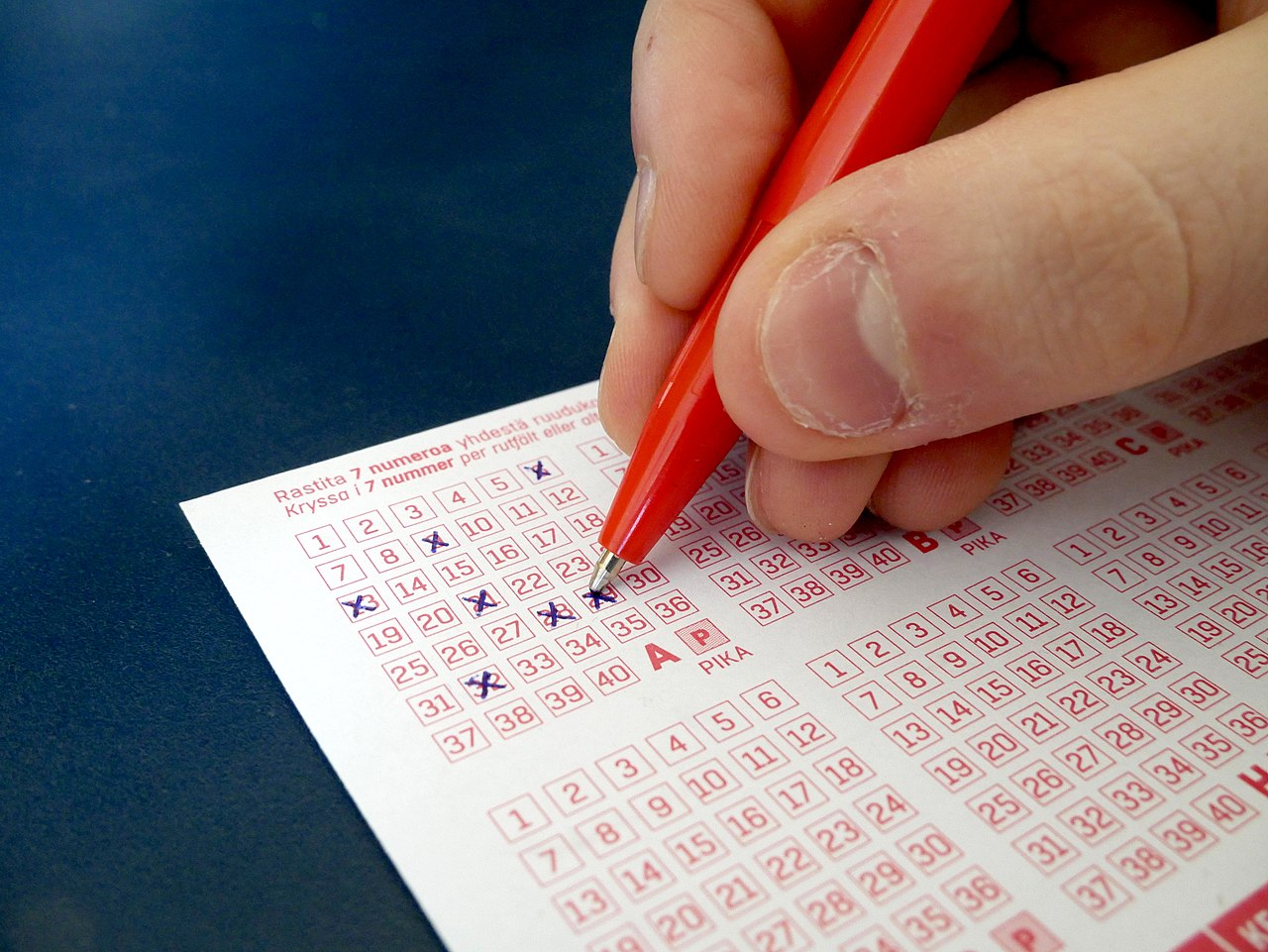
Why do people buy into the Lottery?
In this economy, it can feel like you have nothing more to lose. So, when you’re given what feels like a chance to gain everything, why wouldn’t you take it?
Even though your odds of winning the National Lottery are 1 in 45 million (you’re literally more likely to die from being crushed by a meteor), a staggering 70% of the UK’s adult population buy lottery tickets regularly. With a functionally 0% chance of winning, evidently what drives almost 45 million people to make the purchase goes beyond rationality.
If something has a 1% chance of happening, people often treat it as being five times more likely to happen
While lotteries are clearly one of the worst deals ever, people are surprisingly bad at conceptualising low-probability events. As University of Colorado Boulder Psychology Professor Leaf Van Boven found, there’s a phenomenon called “decision weight”, where if something has a 1% chance of happening, people often treat it as being five times more likely to happen. So, we can’t physically conceive of our odds being as low as they are.
But five times an almost-0% chance of winning is still almost zero. Yet, Van Boven further discovered, it’s not just our chances of winning that we overestimate, but also how strongly we will feel both about winning, as well as about regretting not participating. This means that buying a lottery ticket is actually buying a chance to imagine what it would be like if you won, and equally a guarantee of not regretting depriving yourself of that chance. A study in the Netherlands found that just participating in a lottery increased participants’ happiness before the draw. From this perspective, the £1.50 for a ticket seems like a small price to pay.
The National Lottery generates almost £1bn in duties for the government, and nearly £2bn for charity projects
However, as expected, people from lower socio-economic backgrounds also disproportionately purchase lottery tickets, since they have relatively more to gain by improving their financial situation. Buying lottery tickets doesn’t just give people happiness – it gives them hope. This especially rings true when considering attitudes towards lotteries during a recession. Following the 2008 recession, the amount of money spent on luck-based gambling rose steadily from 2009 to 2012, and National Lottery ticket sales also saw constant rises following the 2019 pandemic-induced economic crisis. Naturally, this too saw a steeper increase among lower-income consumers.
Because of this, lotteries are often criticised as being a regressive tax on the poor. Historically, lotteries have been used to raise social funding, dating back to the first lottery in 205 BC, run by China’s Han Dynasty, to pay for the Great Wall. Currently, the National Lottery generates almost £1bn in duties for the government, and nearly £2bn for charity projects. Nevertheless, there remains a concern that it could prey on people’s hopes for social mobility. Researchers found that the most socially optimal lottery is one with high taxes on winnings, since people tend to think twice about buying tickets when jackpots are lower compared to when ticket prices are higher.
Lotteries can be tickets to hope in a dire economic situation, so long as you remember that it is more likely to be 30 degrees Celsius on Christmas Day in London than you hitting the jackpot.
Comments