All-consuming consumption: The increasing dichotomy of long and short episodes
With the accessibility of content creation being at pretty much an all-time high, it’s easy for us, as painfully average consumers, to get overwhelmed by its sheer volume and the various platforms it seems to keep popping up on. It doesn’t help that Mr Zuckerberg (among others) is slowly chipping away at our day minute-by-minute, trying to monopolise our time. This competition for our attention is probably what leads to the current audience prioritising binge-ability and digestibility when it comes to newer shows.
It gives rise to two distinct opponents in the contest for our time: long episodes with short seasons and no fillers, and short, bite-sized episodes with the god forsaken vertical formats. And they both suck.
Have you noticed the rise in seasons with episode numbers in the single digits? Take a look at Apple TV’s Severance, for example. A revered show, surely, with its dystopian plot, beautiful cinematography, and highly (un)subtle social commentary. Its plot-centric nature leaves room for no-bullshit and thus appeals to the viewer’s thirst for a binge-able show. But is this an exception or the rule?
Shows with filler episodes have pretty much been eliminated
Take a look at the marked rise in series termed as ‘limited’. We see season lengths get shorter and shorter, usually averaging at around eight episodes. Baby Reindeer (another wonderful drama) had that many and was again very plot-centric. Most people that I know binged it within the day! Adolescence, with all its (deserved) hype, was only four episodes long. It also raises the question about whether it would’ve received the same praises and virality had it not been so bingeable.
It’s not a surprising fact that this rise spiked in the 2020s, likely after the pandemic (wow, I guess all roads really do lead back there?!). It could’ve been the rush of newly home-bound consumers to watch as many shows as possible, or it could’ve been deliberate on the part of production houses to pump out as many profitable shows as possible – just some run-of-the-mill capitalism! The speculations for the reasonings are endless, but it cements one thing: shows with filler episodes, like the ones prominent in the 2000s (The Mentalist, Supernatural, Gossip Girl), have pretty much been eliminated by this need for longer plot-centric episodes.
It is very possible that the average consumer no longer has the time to sit and binge a long show with endless fillers, but the urge to binge remains the underlying problem. And it speaks very much to our viewing habits.
On the complete opposite end of the spectrum, we have the dramatic increase in the abominable ‘vertical dramas’. If you haven’t heard of it or seen one of them pop up while scrolling, they are typically of the ‘romantasy’ genre, have low production value, and have laughable dialogue. Still, they bring in more viewers than some of the biggest streaming platforms out there.
It’s the reality of the situation that people are willing to consume literally any content
It’s the reality of the situation that people are willing to consume literally any content, provided it comes wrapped up in bite-sized packaging with the dopamine of cheesy cliffhangers and recycled tropes. Episodes usually span around a minute, and this format is the basis of platforms such as ReelShort, FlickReels, and Dramabox. They always leave the viewer wanting more, so they’d keep clicking to watch the next ‘tiny’ episode, and by the time they’re aware of it they’ve wasted the day and it’s already sunset.
These vertical dramas are basically an extension of the doomscrolling that plagues us today, and indicative of the sheer impact of simple formatting on the accessibility of a show. It only makes it more bingeable and digestible, making us as the viewers more powerless when faced with a plot we’re mildly emotionally invested in, and main characters that we find attractive (negotiable).
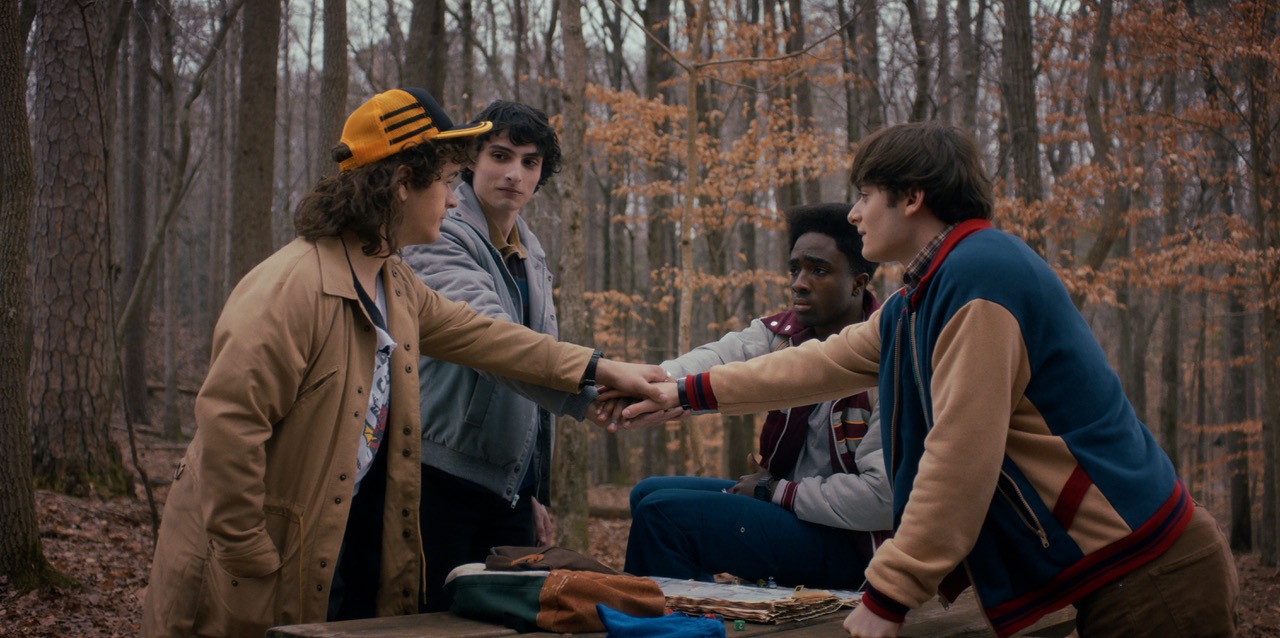
Ultimately, the difference between what we deem as short vs long episodes grows more stark every day. The short ones need to be about a minute-long to be considered so (in the case of vertical dramas, like in Fake Married to My Billionaire CEO), and the longer ones can be up to two and a half hours (Stranger Things). If anything, this should be a sign of concern for us as consumers and a reminder for us to be mindful of the time we spend invested in fictional shows.
We need to remember that, at the end of the day, there is a middleman between the artist and the consumer – and the more our attention span dwindles and the thirst for dopamine grows, the more power the middleman gains.
Comments