The UK’s rarest bird is making a comeback
After a steady decline leading to no confirmed nests between 2020-2024, one male bird has bolstered the population of the Montagu’s harrier in the UK, rearing six juvenile birds this year with two female partners.
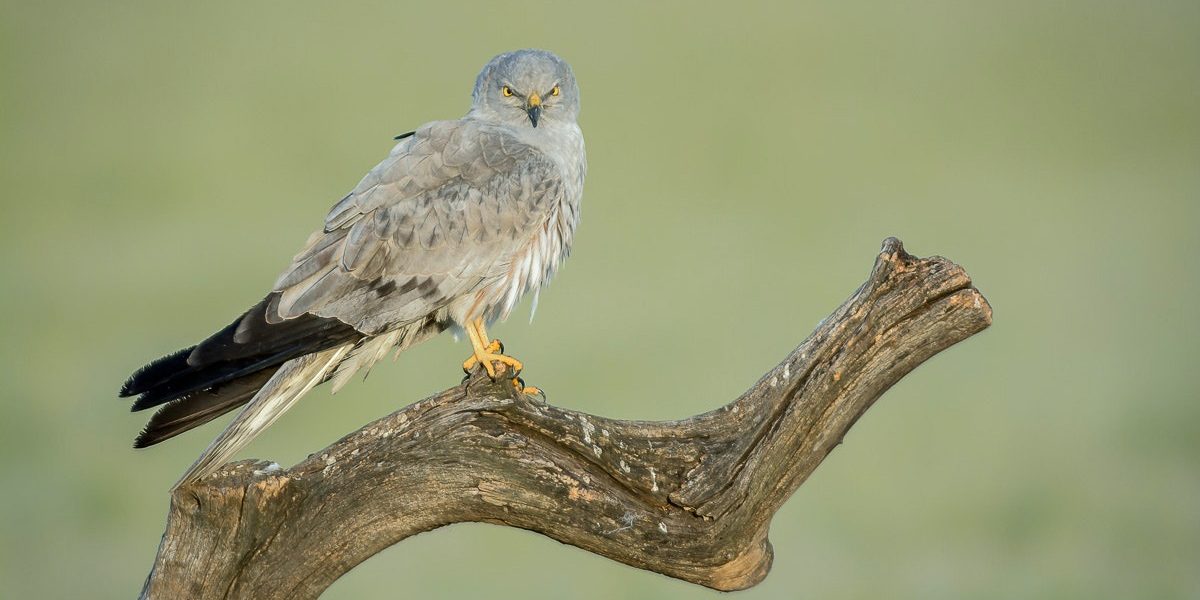
The Montagu’s Harrier is a slim, medium sized bird; the males are grey and black, and the females brown. Their population in the UK is dangerously low and has been decreasing on average since the late 1950s. Despite these odds, this year – with the help of farmers, birdwatchers and the RSPB – six have been born and reared successfully throughout the droughts and heatwaves. Two of the chicks have been fitted with satellite tags so that their journey to Africa and back can be tracked and conservationists can learn more about the rare bird.
Montagu’s harriers will face threats from dramatic weather events, farm machinery and other animals such as foxes invading their land
The location of their nests has been kept secret as they are on private farmland. The surge of birdwatchers that could travel to the area to see the rare birds could be damaging for the nests, which would provide danger for the birds if they choose to return to the UK. They are very delicate birds and so should be left alone.
This year, juvenile and adult Montagu’s harriers will face threats from dramatic weather events, farm machinery and other animals such as foxes invading their land. To prevent this for the two nests, fences have been put up which should also protect them against farm machinery. Due to the birds mating a month earlier this year as a result of the heat and drought-induced early harvests, farm machinery could easily destroy their homes. More and more, the birds are choosing to mate in farms rather than bogs or plains which will make them more susceptible to this threat.
Due to the small British population of these birds, many of them are known to the RSPB by name and are photographed on their website. AU is the male who has bred successfully for the past two years and is father to 16 chicks in total. This year three males have been born, so hopefully, they will return to the UK and help their father in growing the population of the birds here. The two who have been equipped with satellite tags are named FH and HZ, both female birds. It will be very interesting to follow what we are able to learn about these birds from the help of these two. Hopefully, the information the RSPB is able to collect can help in further conservation efforts to protect these amazing animals and encourage them to return to the UK.
Comments