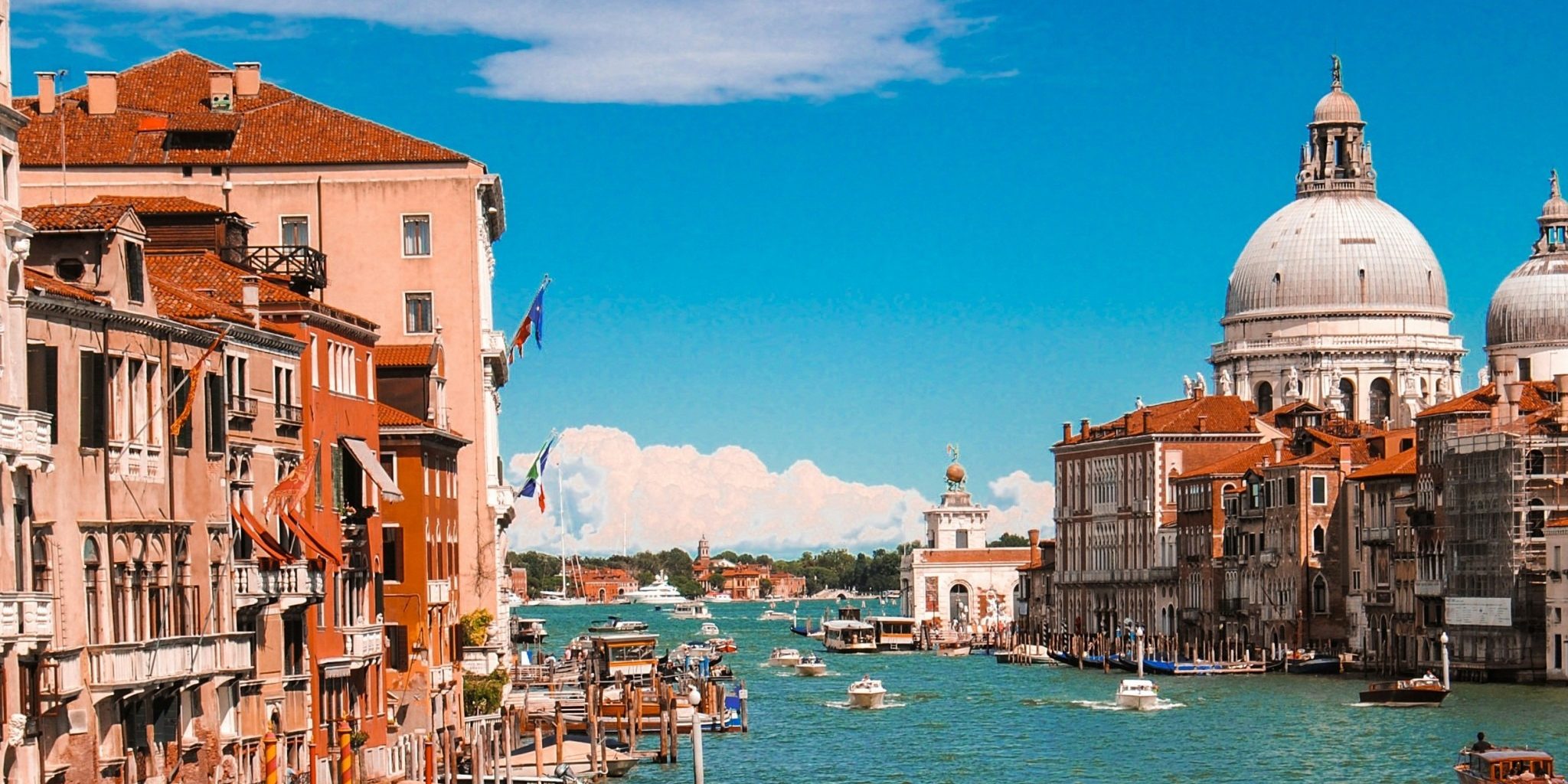
What a €10 entry fee does to a city like Venice
As of April 2026, Venice is continuing its access fee scheme. It’s raising its entry fee from €5 to €10 for people booking less than four days in advance, as part of its ongoing attempt to deal with over-tourism. Venice first introduced the €5 access fee in April 2024, requiring visitors over the age of 14 to pay and book entry on certain peak days (mostly weekends between April and July) as well as national holidays. If you’re staying overnight and have a hotel reservation, you don’t have to pay but you do need to request an exemption. This price increase raises a bigger question: is one of the world’s most iconic cities starting to feel more like a theme park than a place people actually live in, or is it a necessary measure to save the city from over-tourism?
Part of the problem is that Venice is the kind of place that people feel like they have to see (I admit, I was the same). With the canals, historic buildings, and gondolas, it’s been turned into a must-visit destination. For many, it’s just an item to tick off a bucket list, rather than somewhere to spend time and properly experience. It’s also a trip that can be ‘done’ in a few hours, which means the number of day-trippers is much higher than in other places.
It’s just like a theme park – you buy a ticket, walk around and leave again the same day
It’s difficult to ignore that the fee makes Venice feel less like a city and more like a theme park. Cities aren’t meant to be attractions and charging people to enter risks turning culture into something you buy and more like an experience being sold. Tourists follow the same routes, stop at the same landmarks, take the same photos, without really engaging with the destination. It’s just like a theme park – you buy a ticket, walk around, and leave again the same day. It can all start to feel a little staged.
Yet, it’s not hard to see why the city has introduced it. According to Italiarail, the access fee was designed as “an attempt to make tourism more sustainable by limiting overcrowding.” However, it hasn’t reduced visitor numbers as much as hoped. In 2025, around 723,000 visitors paid the access fee, after it was enforced for a greater number of days compared to 2024, with 485,000 visitors recorded. The council has said that the money will be invested in services to benefit residents. The €10 fee is also meant to discourage last-minute rush and help authorities regulate influxes in visitors. Despite this, nearly half of all visitors paid the double fee, suggesting that demand hasn’t really slowed down. The fee wants to reduce the rate of day-trippers and encouraging overnight stays, rather than turning tourism away entirely. Around 90% of visitors only come for the day, and they use up the city’s resources but leave virtually no money behind in the local economy, and this is where the access fee comes into play.
Changing the way in which we travel could make a difference. The idea of ‘slow tourism’ is what this access fee is trying to encourage
You also have to consider the residents of Venice. The idea of paying to enter may make the city feel like a theme park to visitors, but for locals it’s nothing new. They see thousands of tourists crowd their neighbourhoods, stopping at every bridge for the same photo. It also affects how the city functions, local businesses are always being replaced by souvenir shops, an example being on the Rialto Bridge and near the entrance to it which is full of the same souvenir shops. This is making it harder for residents to stay, and there are now more tourist beds in the centre of Venice than official residents, standing at their lowest ever of 48,500. Alongside rising costs, there are also fewer apartments available for residents as most of them are now AirBnBs. When we see a city catered more to its visitors rather than the people who live there, it loses the character that made it so popular in the first place.
If our travel intentions are more sustainable and less rushed, the need for measures like the access fee may begin to disappear
Changing the way in which we travel could make a difference. The idea of ‘slow tourism’ is what this access fee is trying to encourage. Instead of rushing through a place in a few hours, it focuses on staying longer and engaging more meaningfully with the destination. This would work for Venice, where so many visitors arrive for the day and leave again. This change could ease pressure on the city as well as supporting the local economy. The problem isn’t necessarily that too many people want to visit, but the fact that too many want to see it all at once as quickly as possible.
So, is the access fee working? In terms of reducing visitor numbers, the answer seems uncertain, but it does highlight a bigger issue in the way we travel. The access fee may make the city feel like a theme park, but at the same time it reflects the pressure it is under to keep afloat. It is not about whether we should or shouldn’t visit places like Venice, but the way in which we choose to do so. If our travel intentions are more sustainable and less rushed, the need for measures like the access fee may begin to disappear.
Comments