UK government releases guidance on managing ‘extremism’ on campus
The UK government has released further guidance on how to manage the threat of extremism on university campuses.
Both students and staff are set to have stronger protections against the threats posed by ‘extremism, harassment, and intimidation’ within universities and university affiliated events.
These measures aim to help universities meet their Prevent duties, which is the legal requirement (under the 2015 Counter-Terrorism and Security Act) to prevent people falling victim to terrorist rhetoric. It requires all universities in England to train their staff, have specific IT policies, and to vet external speakers as a safeguarding measure.
Universities must simultaneously protect students and staff from any sort of harassment and prevent radicalisation, whilst also upholding academic integrity and free speech within academic discourse
The Office for Students, the independent regulator of English higher education, said it will strengthen how it monitors whether universities are meeting these Prevent responsibilities.
Some of the measures in the announcement include: a new and improved whistleblowing route for staff, stronger regulatory action when higher education institutions fail to meet their Prevent duties, updated guidance on how to manage external speakers and events on campus for universities, and increased oversight by from the Office for Students.
For higher education institutions, these increased guidelines add to a complex dilemma: universities must simultaneously protect students and staff from any sort of harassment and prevent radicalisation, whilst also upholding academic integrity and free speech within academic discourse.
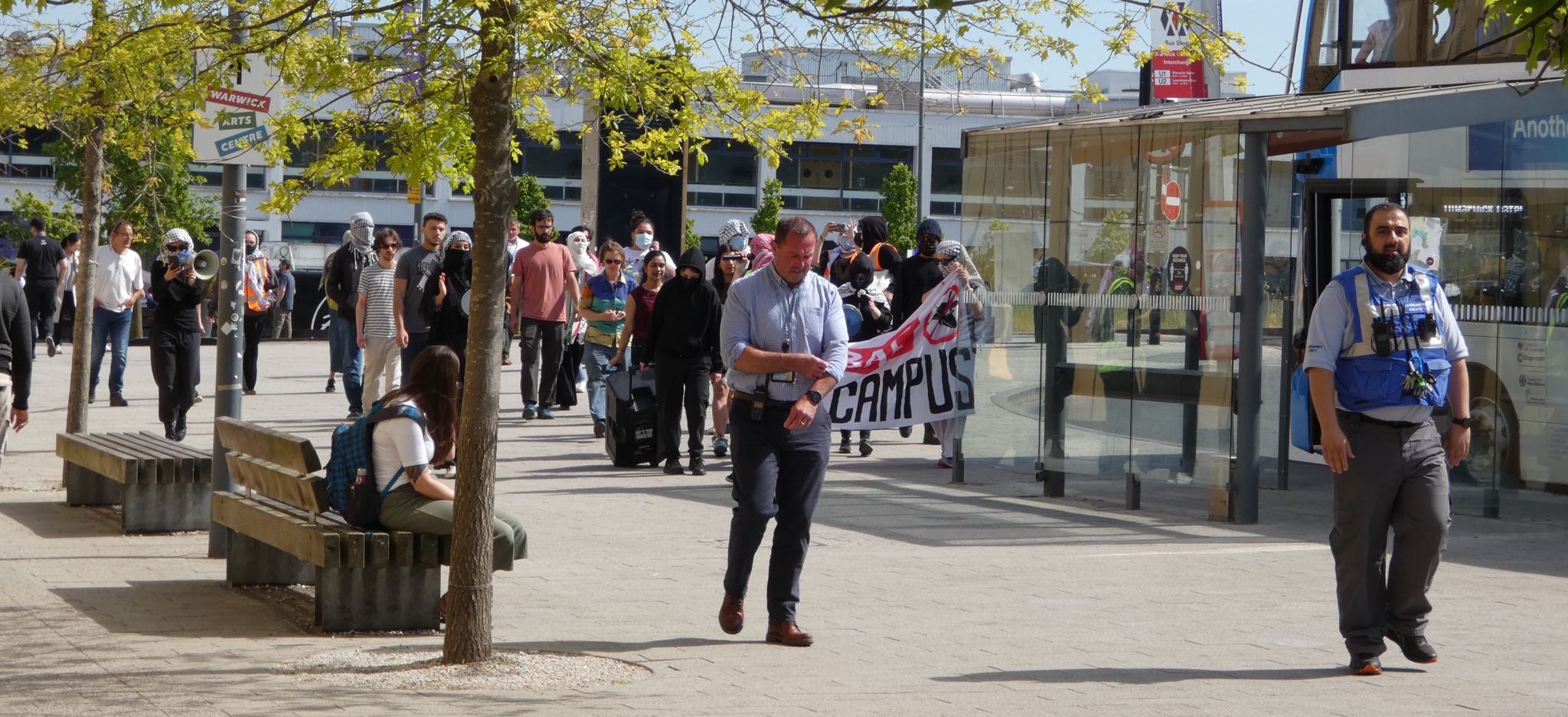
In light of Palestine Action being proscribed as a terrorist organisation, the further guidance on extremism raises the question: does this protect students and staff, or does it suppress the expression of political demonstrations? Some would argue that it infringes on their rights to express support for a cause, whilst others claim that groups such as Palestine Action fall under extremism.
For professionals in education, these renewed measures highlight a perceived importance of preventing radicalisation, whilst also supporting a learning environment safe from threats.
Comments