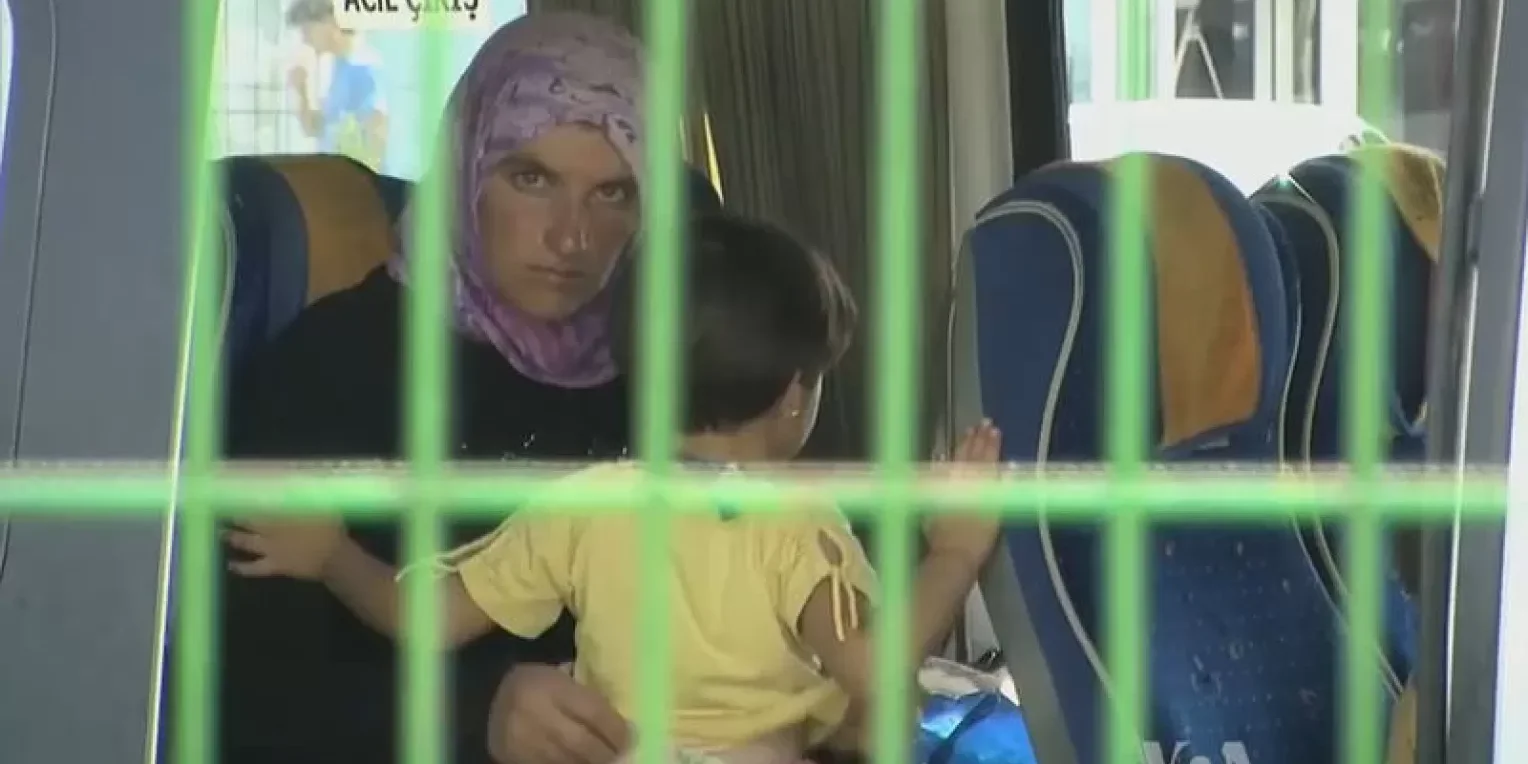
The forgotten crisis: How the Syrian refugee crisis is fuelling the far right in Europe
Since the outbreak of the Syrian Civil War in 2011, Europe has faced one of the most challenging humanitarian and political challenges of the 21st century. Millions of people, fleeing violence, persecution, and instability, sought refuge in neighbouring countries, as well as the European Union.
However, as waves of Syrians landed on European shores, refugee arrivals became an outlet for broader frustrations surrounding economic inequality, strained public services, and distrust of political elites, allowing far-right parties to present themselves as defenders of national identity and stability amidst this era of rapid social change.
The 2015–16 refugee influx, dominated by Syrians fleeing a brutal civil war, was initially met with humanitarian efforts and political debate. Countries like Germany, under then-Chancellor Angela Merkel, pursued relatively open asylum policies, yet the sheer scale of arrivals (nearly a million Syrians arrived in Germany alone) quickly transformed public discourse on migration and national identity.
According to academic research, this influx did more than just strain asylum systems: it reshaped political rhetoric in Europe. Data analysts Nazmus Sakib and Syed Muhammad Ishraque Osman found that the refugee crisis “has causally increased the far-right rhetoric” in Europe, not simply because of electoral success, but because far-right parties equated refugee arrivals with threats to social cohesion, national security and cultural identity, amplifying general anti-immigration narratives and normalising what once were fringe sentiments.
Berlin Police statistics showed a doubling in attacks on asylum seekers and refugee shelters in 2023, coinciding with the AfD’s rise in polling
In Germany, the Alternative für Deutschland (AfD) stands to benefit the most from anti-refugee politics. Originally founded as a Eurosceptic party, the AfD shifted towards anti-immigration stances, capitalising on public anxieties linked to the Syrian crisis; polls have shown the AfD drawing considerable support in regions that witnessed the majority of public debate surrounding refugee integration and national identity politics.
Government responses have mirrored this shift as media reports from late 2025 highlight how Chancellor Friedrich Merz suggested that Syrians no longer had grounds for asylum following leadership changes in Syria, pushing for voluntary and potentially forced deportations – a stance that echoes far-right demands and could further legitimise extremist rhetoric in mainstream politics.
Meanwhile, violence against refugees continues to increase across Germany. Berlin Police statistics showed a doubling in attacks on asylum seekers and refugee shelters in 2023, coinciding with the AfD’s rise in polling. Critics argue that this uptick in far-right violence is linked not just to the presence of refugees but to political narratives framing them as threats.
While Italy may not host as many Syrian refugees as Germany, the impact of migration, particularly the associations made between refugees, border control, and national sovereignty, has significantly accelerated right-wing agendas across Italian politics
In Italy, the Syrian crisis has coincided with growing support for right-wing populist parties such as Lega and Fratelli d’Italia. In Italian municipalities, even small increases in asylum arrivals have been linked to stronger support for hard-right anti-immigration parties, driven less by significant economic strain and more by sustained political messaging that amplifies fears of cultural displacement and local insecurity.
Italian authorities have continued to tighten asylum procedures and crack down harshly on search-and-rescue operations in the Mediterranean, which are widely interpreted as efforts to appease a rising right wing. Humanitarian organisations, including Doctors Without Borders, have faced legal ramifications and operational challenges in Italy, with authorities imposing restrictive policies that these organisations view as measures aiming to punish and deter both refugees and those who assist them.
While Italy may not host as many Syrian refugees as Germany, the impact of migration, particularly the associations made between refugees, border control, and national sovereignty, has significantly accelerated right-wing agendas across Italian politics.
Though the UK did not receive refugees at the scale of its EU neighbours, the country – already deeply divided over Brexit – was hurled into debates framing immigration as a question of national autonomy and security. UKIP’s powerful ‘Breaking Point’ poster, used during the 2016 Brexit campaign, featured Syrian refugees at the Croatia–Slovenia border, and embedded the link between migration and national security in the British political mainstream long before any major Syrian arrivals to the UK itself.
A decade on from the peak of the Syrian refugee crisis, its impact on European politics remains unmissable
Far-right groups continue to exploit concerns about asylum processing backlogs and housing shortages, blaming refugees more generally for broader anxieties about failing public services and public safety. These debates, often disconnected from the actual numbers or contributions of Syrian refugees in the UK, have helped fuel electoral support for parties advocating stringent immigration controls.
Fundamentally, the political impact of the Syrian refugee crisis in Europe stems not only from numbers but from the narratives being pushed. Far-right parties have successfully framed migration as a ‘crisis’, linking refugees to broader fears about economic insecurity, terrorism, and cultural change, even where empirical evidence does not support their claims. Far-right rhetoric has intensified irrespective of actual crimes committed by refugees or economic risks posed by refugees, indicating the power in reinforcing exclusionary, xenophobic discourse in an unstable political landscape.
A decade on from the peak of the Syrian refugee crisis, its impact on European politics remains unmissable. In Germany, Italy, and the UK, far-right movements have leveraged support through pushing fears around migration, reshaping national policy debates and shifting the Overton window away from a politics of inclusivity towards scapegoating and exclusion that dominates the political landscape of today.
Comments