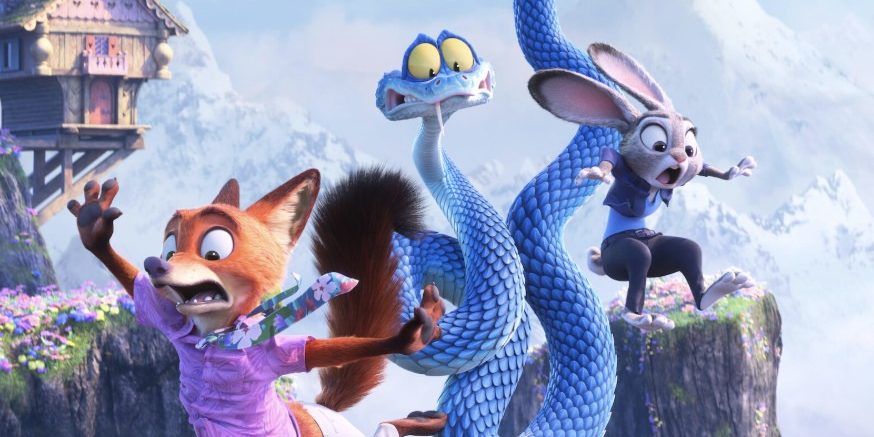
The case for cartoons: It’s time to take animation seriously
The success of animated films on streaming and at the box office in 2025 has led to the film industry having to recognise their influence and popularity and should lead to further success at the most prestigious award ceremonies.
On Netflix in 2025 there was no competition for the most streamed film of the year. K-Pop Demon Hunters was the most watched film on Netflix and became the most watched Netflix original feature film ever.
Animated films also dominated the box office. The mega hits of 2025 were the Chinese animated film Ne Zha 2, earning $2.2 billion, and Zootopia 2, which earned $1.7 billion. The numbers achieved by animated films on both streaming and in cinemas will ensure the film industry respects the influence and power of animated films.
Perhaps one of the reasons that animated films are less respected by awarding bodies and critics – Peter Bradshaw gave Zootopia 2 two stars in the Guardian – is that they are traditionally associated with children. Walt Disney commercialised animated films in 1937 with Snow White and the Seven Dwarfs and from there an empire was built on animations targeted towards families and children.
Just because their films appeal to children does not exclude them from having darker, more mature themes
Pixar, acquired by Disney in 2006, and DreamWorks followed the path already trodden, both becoming extremely successful in their own regard. However, just because their films appeal to children does not exclude them from having darker, more mature themes aimed towards adult viewers, and there is an awareness that commercial success in the family market means appealing to adult viewers as well as children.
The best animated films are those that are both entertaining for children and understood by adults. Adjusted to inflation, The Lion King is one of the most successful Disney films of all time, and, being based on Hamlet, there are inevitably elements to it which will only be appreciated by adults.
The 1981 animated film The Fox and the Hound uses the relationship between Tod, the fox, and Copper, the hound, to examine racial violence and how society manufactures prejudice. Another example is the 1999 cult classic The Iron Giant. It’s premise, according to creator Brad Bird, was the question ‘what if a gun had a soul?’.
Animated films are at their most impressive when they can interweave mature plot lines and intricate studies of society into a form that can be consumed by children. The animated films that achieve this deserve to be recognised alongside live action films by both critics and award shows alike.
There also exist animated films that specifically cater towards adults. The animated biography of Vincent Van Gogh, Loving Vincent, and the acclaimed Studio Ghibli anti-war film The Graveyard of the Fireflies show that the medium can surpass being simply family orientated.
The Oscars and Baftas traditionally disregard animated films from major award categories and marginalise them to their own isolated category. Only three animated films have been nominated for a Best Picture Oscar: Beauty and the Beast; Up and Toy Story 3. The plethora of deserving animated films that have been created since the inaugural Oscar ceremony highlights the travesty of this exclusion.
Inclusion of animated films in the major Oscar or Bafta awards should not be an anomaly but a routine acknowledgment of their artistry
The Annie Award is an attempt to appreciate animated films as they should be. However, there are some issues. Firstly, it lacks the prestige of an academy award. The wider public is generally unaware of the existence of the award, so it tends to go under the radar. Also, it should not really exist. In an ideal world, animated films would be seen in the same light as any other medium of film and thus a separate award show would be unnecessary. The inclusion of animated films in the major Oscar or Bafta awards should not be an anomaly but a routine acknowledgment of their artistry.
The recent dominance of animated films across both streaming and the box office should force the film industry to take notice. It should now be impossible for studios, critics and awarding bodies to ignore animated films as they are not only money-making juggernauts but also vehicles for real artistic pursuits and ingenuity. This duality of animated films means they must be respected, and hopefully, it will only be a matter of time before we see a Best Picture-winning animation.
Comments