Sustainable for Whom? Rethinking Urban Inequality Under SDG-11
When I think about cities, I don’t just think about skylines. I think about where my parents grew up: Mumbai. Dense housing blocks where space was tight, but the community was strong. Mumbai is a city of extremes. Luxury towers rise beside informal settlements. Now, as a student, I see how we all worry about rent, transport, and housing availability. The need for a “sustainable city” feels urgent, not just a theory for the far future.
At the Warwick Economics Summit 2026, Anacláudia Rossbach honestly said that “We cannot just be blind to the fact we are not meeting the SDGs”. The Sustainable Development Goal (SDG) 11 aims to achieve inclusive, safe and resilient cities. But inclusion remains the most fragile part of that promise.
Sustainability is often reduced to emissions targets or green infrastructure. However, if housing is unaffordable, workers are pushed to the city margins, and land is treated merely as an asset, true sustainability will never be achieved. Rossbach emphasised that land must be viewed “not just as an economic asset, but as a valuable socioeconomic part of society”.
In cities like London, and increasingly across global financial hubs, housing operates as investment first and shelter second. When access to land determines access to opportunity, education, and employment, land becomes more than a commodity.
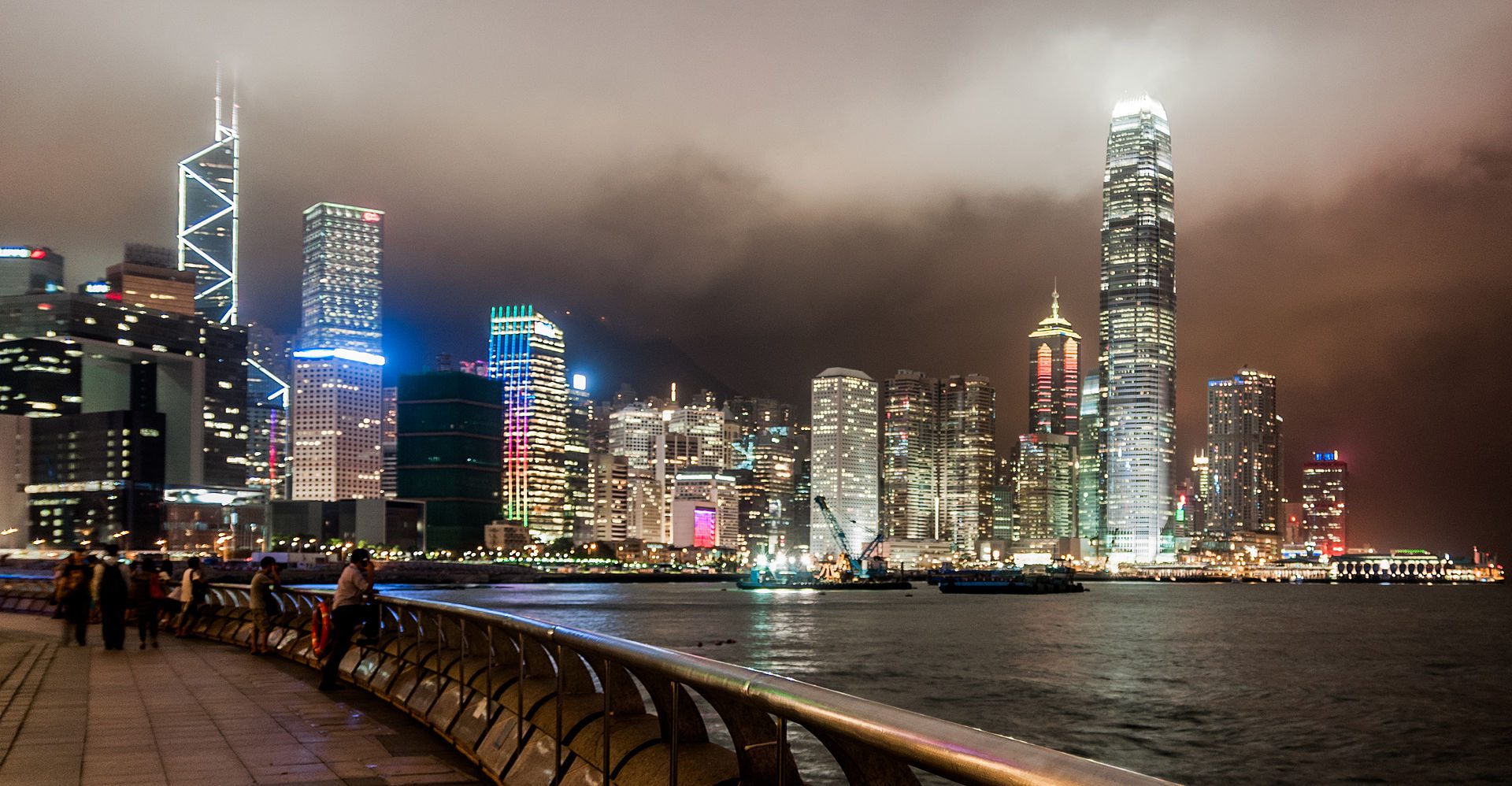
But what can we do whilst we wait? Rossbach suggested that we need to use the market forces. For example, land value capture mechanisms are when governments reclaim part of the increase in land value generated by public infrastructure. This has helped finance affordable housing and transport systems. In Hong Kong, the Mass Transit Railway (MTR) follows a “rail plus property” model, using rising land values around new stations to finance both transport expansion and housing development. This demonstrates how infrastructure and affordability can be mutually reinforcing rather than competing goals. In parts of New York City, mandatory inclusionary housing policies have tied higher-density development rights to affordable housing provision, embedding affordability into growth rather than treating it as an afterthought. Meanwhile, upgrading informal settlements rather than demolishing them, as seen in Medellín, has improved public transport access and services without displacing established communities.
However, these interventions are not without criticism. Some argue that inclusionary zoning can reduce overall housing supply by raising development costs, or that land value capture may deter private investment if perceived as excessive taxation. Others contend that market distortions risk slowing urban growth altogether.
If we acknowledge that we are off track on the SDGs, then urban policy cannot remain reactive. It must become structural.
Yet the alternative is not a neutral market. Land markets are already shaped by planning laws, infrastructure decisions, and financial incentives. The focus should be to design intervention intelligently. If land values are socially created, through public investment and collective growth, then reclaiming part of that value is the redistribution of publicly generated wealth.
Organisations like UN-Habitat have also pushed for better urban data coalitions, recognising that without reliable data on land ownership, informal settlements, and housing markets, policy remains guesswork. Reforming international financial architecture, as Rossbach suggested, could make long-term urban investment more accessible to cities in the Global South, where rapid urbanisation is most intense.
But improvement requires honesty. If we acknowledge that we are off track on the SDGs, then urban policy cannot remain reactive. It must become structural. That means: treating housing as core economic infrastructure, designing land policy that discourages speculation without choking supply, investing in public transport that connects low-income communities to opportunity, and embedding affordability requirements into urban growth strategies.
Cities will continue to grow. The question is not whether markets should play a role; they inevitably will. The question is whether we shape markets to serve cities, or allow cities to be shaped solely by markets. For students, this debate is not abstract. It determines whether we can afford to remain in the cities where we study and work. For those in different regions, it determines whether urban growth means mobility or displacement.
Cities should not become spaces where opportunity depends on ownership. If SDG-11 is to mean anything, it must ensure that the next generation does not inherit skylines they cannot afford to live in.
Comments