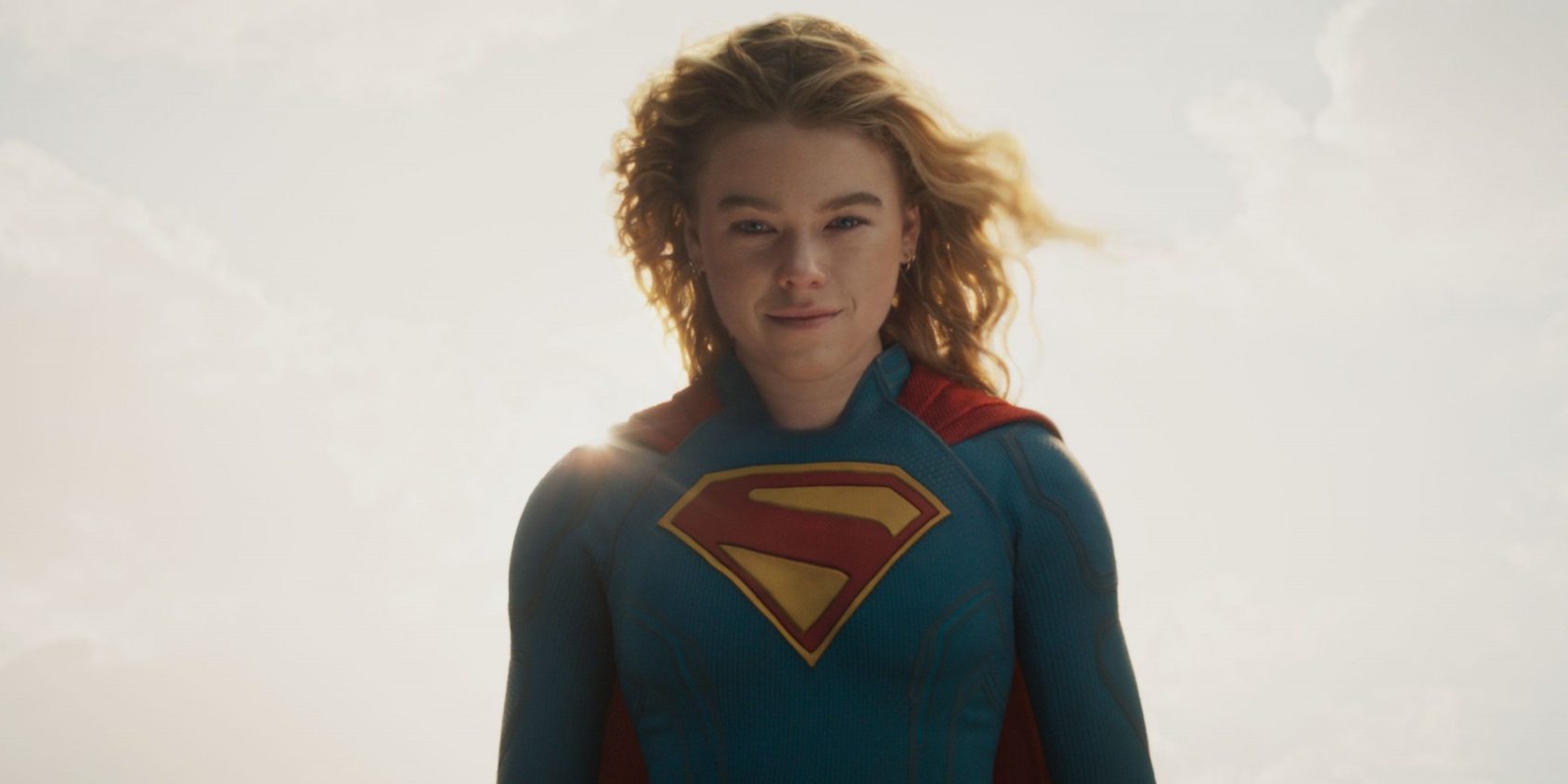
Lights! (Or lack thereof) Camera! And action!
It seems almost a given that whenever a new movie trailer or TV show drops (or even in the context of released versions of both), a discourse surrounding lighting and colouring inevitably arises, or, to put it simply: “Why does it look like that?”
There are many reasons governing the debate over how modern movies and TV shows look, some even taking to dubbing it as ‘Netflix lighting,’ as almost everything released seems to lean towards muted highlights in contrast to the vibrant scenes featured in older movies.
Despite the use of the latest technology, scenes shot with the latest camera in the market are still looking dull in their final product
The most prevalent discussion point chalks up to the use of camera technology. Now, the technology used in modern film cameras is more sophisticated than ever, and this will undoubtedly improve as time goes by. From picking up the most minute details to being able to film clearly in the dark, this was not previously possible. Formerly, scenes had to be lit and relit between takes to ensure consistency and, even then, this was not a given. Yet, this factor underscored the creativity of the crew behind the scenes, as each shot had to be meticulously planned out. Despite the use of the latest technology, scenes shot with the latest camera in the market are still looking dull in their final product. The Devil Wears Prada 2, for example, showcased fans’ comments comparing the trailer for the movie to a Netflix original due to its lighting, despite being excited for it. What’s even more peculiar is that both movies were shot by the same cinematographer, which begs the question of how these scenes are handled in post-production and, even then, these undoubtedly go hand-in-hand with how they were shot.
With Supergirl making its summer 2026 release, some fans were rather disappointed when the movie’s teaser showcased a fairly dull colour palette, in contrast to the comic book’s bright colour scheme and sequences. Fans were quick to compare the scenes featured in the teaser to Dune (2021)’s dusty colour palette used for their desert scenes. Some even argue against adapting it to live action, as an animated movie would work better in capturing the details and colour used in the comic book. When contrasted with Project Hail Mary, another space-adventure-esque film releasing in March 2026, which showcased vibrant colour schemes of its space scenes, fans commented that this is what Supergirl needed for its adaptation.
With current projects veering towards muted tones, it is clear that audiences are taking notice
Ultimately, the debate surrounding modern film and TV shows relating it to ‘Netflix lighting’ showcases that the issue is not related to technological limitation but the creative intention of the crew attached to the project. Modern cameras are more capable than ever in capturing various details, yet the final look of a project is also reliant on how it’s shaped in post-production. With current projects veering towards muted tones, it is clear that audiences are taking notice. Viewers are wary of the projects released today and are questioning why they look visually restrained. Perhaps the real conversation is not about what modern cameras are capable of, but rather how boldly filmmakers are willing to use these technologies available to them.
Comments