Milkmaid corsetry and folkloric silhouettes: the fashion of “Wuthering Heights”
Emily Brontë’s Wuthering Heights was first published in 1847 and can be considered as one of the most enduring works of Gothic literature. Although written in the Victorian period, the narrative itself is set primarily in the late eighteenth century. Traditionally, film adaptations of the novel recreate this historical moment through costume: muted palettes, delicate fabrics, and windswept simplicity reflecting that of the Yorkshire moors.
Yet Emerald Fennell’s adaptation of Wuthering Heights takes a rather strikingly different approach. Rather than strictly regressing to late eighteenth-century fashion, the film reintroduces the novel through a bold, eccentric costume vision. Designed by two-time Oscar-winning costume designer, Jacquline Durran, the wardrobe has already sparked debate among audiences and fashion critics. Rather than understating historical realism, the costume embraces theatricality and even modern designer references. This creative choice raises an interesting question: should period films prioritise historical accuracy or can fashion be used as a tool to reinterpret character and theme?
For [Cathy’s] character alone, between forty-five and fifty costumes were created
The film positions itself clearly as an adaptation rather than a strict historical recreation and this is most visible in its costume design. Whilst many audiences might expect Catherine (or Cathy) Earnshaw to appear as the familiar dark-haired, windswept heroine frolicking in the moors in restrained Regency dresses, this version presents something far more flamboyant. In this version, Cathy (played by Margot Robbie) is reimagined as an exuberant blonde figure dressed in pieces inspired by German milkmaid corsetry and folkloric silhouettes. This immediately drops expectations and signals that the film is not attempting to replicate the past exactly, but rather reframe the story visually for a modern audience.
Cathy’s wardrobe is particularly elaborate. For her character alone, between forty-five and fifty costumes were created, illustrating the level of care and storytelling embedded within the clothing. One of the most notable visual motifs is the repeated use of the colour red. In art history and fashion symbolism, red often depicts passion, lust, and scandal. All of which strongly mirrors Cathy’s turbulent relationship with Heathcliff (played by Jacob Elordi).
[Cathy’s wedding dress] draws inspiration from 1950’s bridal fashion
Another key element is the corset, which acts as a key metaphor during the film. Rather than representing the typical undergarment of eighteenth-century dress, it visually symbolises Cathy’s psychological entrapment caught between her love for Heathcliff and the social expectations that push her towards Edgar Linton. The structured bodice physically constrains her, echoing the emotional confinement she experiences throughout the narrative.
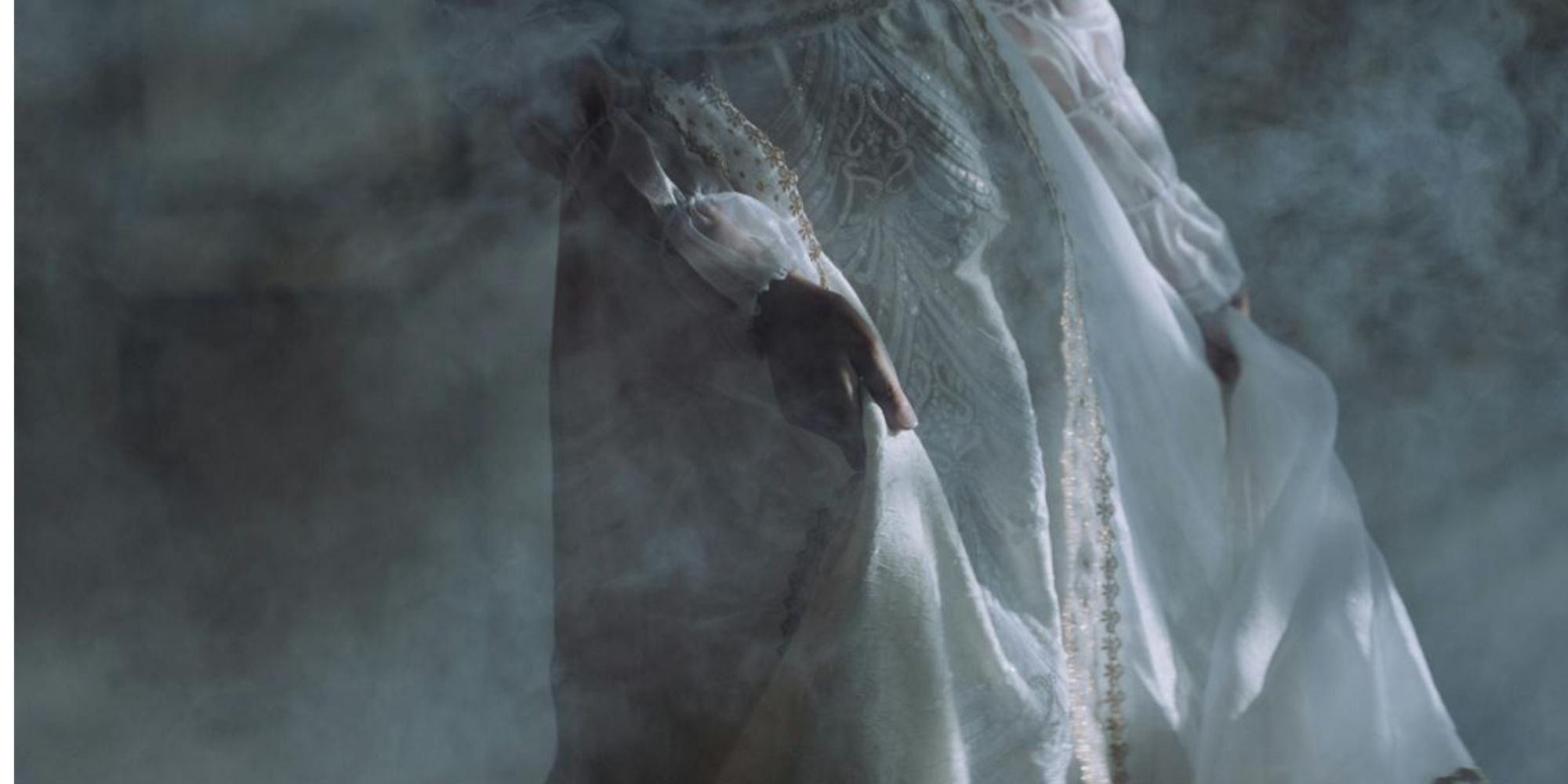
The film also incorporates archival designer references, including pieces inspired by vintage collections from the fashion houses Thierry Mugler, Alexander McQueen, and Chanel. These influences bring a distinctly modern sensibility to the costumes, blurring the line between historical drama and runway spectacle. Even Cathy’s wedding dress diverges from historical expectations. Rather than a regency style empire silhouette, it draws inspiration from 1950’s bridal fashion, creating a voluminous and romantic shape that feels both nostalgic and anachronistic. The effect reinforces the film’s commitment to aesthetic storytelling over strict period accuracy.
The difference in styling between two characters visually reinforces their complex relationship Cathy as volatile and expressive, Heathcliff as controlled yet brooding
Beyond Cathy’s wardrobe, the film’s costumes include recurring gothic imagery that reinforces the darker themes of Brontë’s novel. Characters frequently wear gothic crosses, a motif that subtly references the story’s exploration of morality, obsession, and spiritual torment. Interestingly, while Cathy’s wardrobe is highly stylised, Heathcliff’s clothing is far more historically grounded. His costumes lean closer to Georgian fashion, reflecting the late eighteenth-century setting more accurately. This contrast may be intentional: while Cathy’s appearance expresses emotional chaos and rebellion, Heathcliff’s relatively restrained clothing emphasises his outsider status and simmering intensity. The difference in styling between two characters visually reinforces their complex relationship Cathy as volatile and expressive, Heathcliff as controlled yet brooding.
Ultimately, the costume design in the new Wuthering Heights adaptation demonstrates how fashion can act as a powerful interpretive tool. While some critics argue that the clothing sacrifices historical accuracy, others see it as a creative reimagining that captures the emotional intensity and Gothic drama of Brontë’s story.
By combining folkloric corsetry, symbolic colour palettes, designer influences, and Gothic motifs, Jacqueline Durran’s costumes transform the characters into visually striking embodiments of the novel’s themes. Rather than simply recreating the past, the film uses fashion to reinterpret one of literature’s most passionate and destructive love stories for a contemporary audience.
Comments