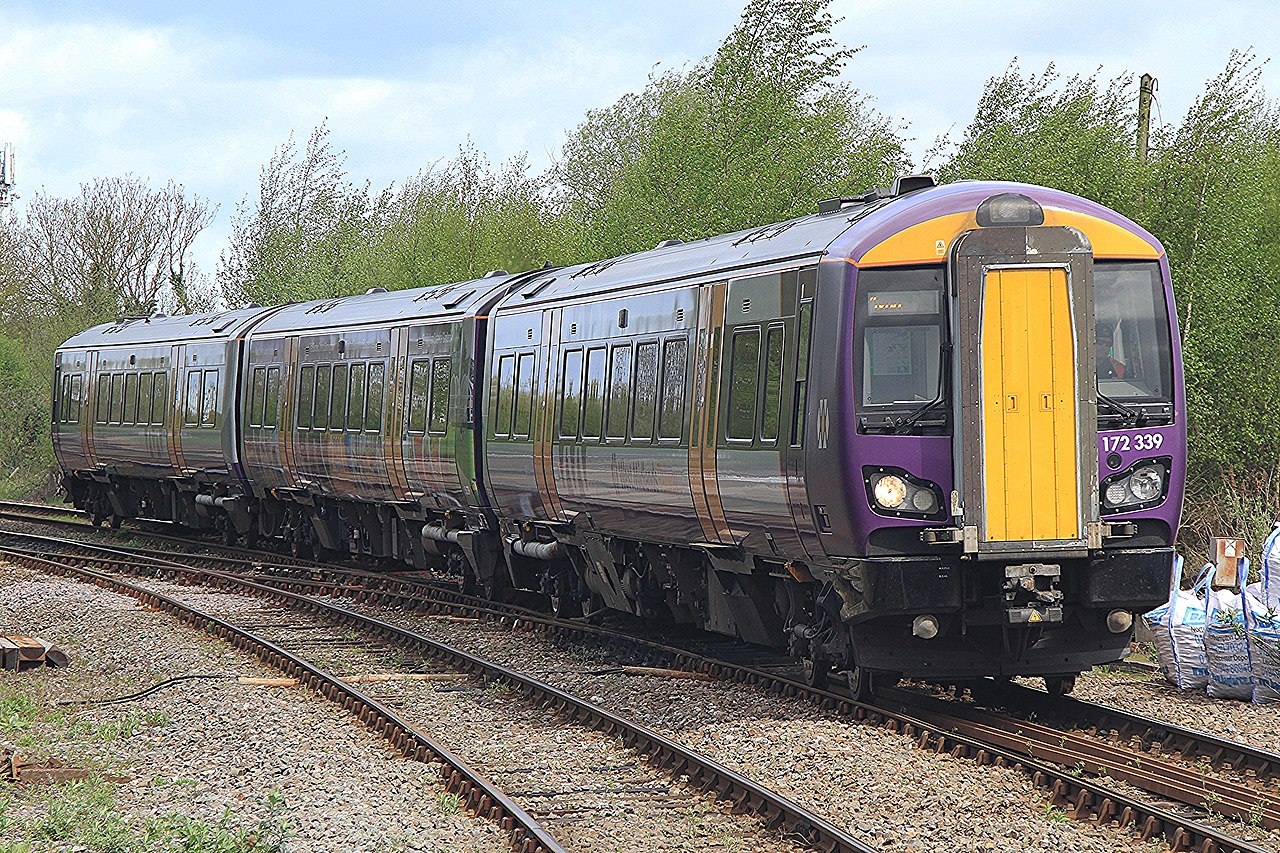
West Midlands railway enters public ownership
West Midlands Trains railway franchise was recently transferred to public ownership as part of government plans to improve performance and reduce costs.
On 1 February, West Midlands Trains became the fourth railway franchise to be renationalised and come back under public control. The government plans to nationalise all passenger services to improve performance and reduce subsidy costs to the taxpayer.
West Midlands Trains joins South Western Railway, c2c, and Greater Anglia as nationalised franchises, as well as LNER, Northern, and others which were already part of the public sector. Govia Thameslink Railway is due to become the next nationalised service on 31 May, with full nationalisation expected by 2027.
The process of bringing railways back under public control is not strictly nationalisation in the sense that the government is not buying anything from private companies. Trains in England are mostly run by companies operating a franchise, where they provide rail services under a contract with the government. The government has chosen to not renew these contracts as they expire, instead taking the services back under one umbrella of Great British Railways (GBR).
Data from the Office of Rail and Road shows publicly owned operators have greater punctuality and fewer cancellations
The Labour government committed to nationalisation in the run up to the 2024 general election, arguing that centralising a fragmented system would increase efficiency and reduce costs for the public. Data from the Office of Rail and Road also shows publicly owned operators have greater punctuality and fewer cancellations.
While there will be no immediate impact on timetables, tickets or conditions, the hope is that economies of scale will lead to gradual improvements over time and lower costs which could be transferred to passengers. The most visible indication of nationalisation will be changes to the livery on trains to a unified GBR design.
Transport Secretary Heidi Alexander said: “We’re working hard to reform a fragmented system and deliver a reliable railway that regenerates communities, rebuilds the trust of its passengers and delivers the high standards they rightly expect.”
Nationalisation of railways is not welcomed by all, with Leader of the Opposition Kemi Badenoch saying last May after South Western Railway was brought back into public ownership: “Nationalisation is not what this country needs right now. It’s going to increase the burden on the state.”
Labour will not nationalise the “rolling stock” companies – private firms that own the physical carriages and engines – who continue to make billions of pounds each year leasing them to train operators. This has led critics like Richard Murphy of Tax Research UK to argue that the government’s efforts are not going far enough.
Comments