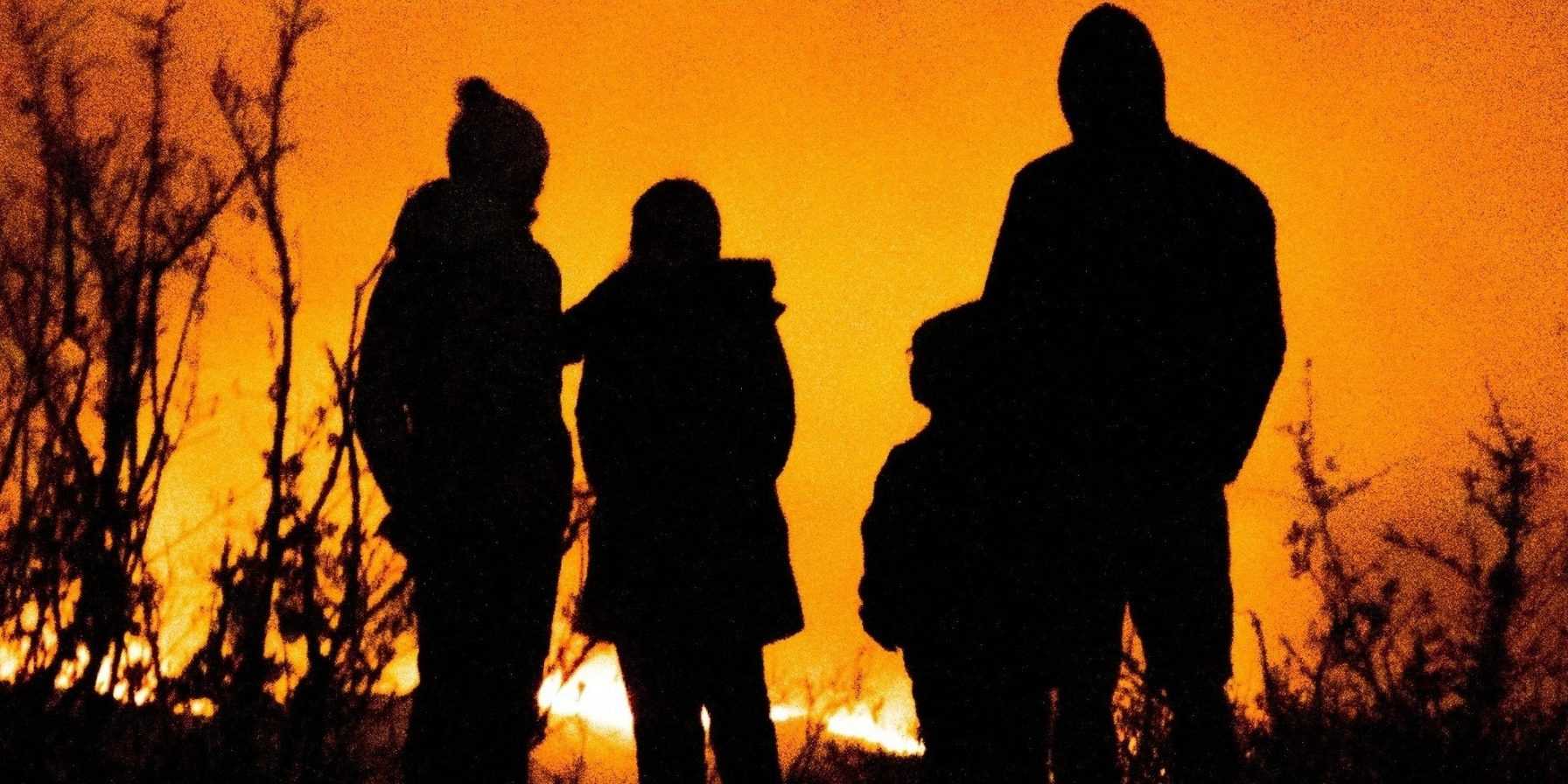
We didn’t start the fire, but we’re still caught in the blaze
The inauguration of President Trump, the Russo-Ukrainian war, the conflict in Gaza, and immense British political turmoil highlight just how busy 2025 was geopolitically. The printing presses of the globe’s broadsheets must have been on fire; the sheer amount of pages required to address growing news-besity is unfathomable – and they’re not the only thing that’s been set ablaze. Record-breaking British wildfires, Los Angeles devastated, and Southern Europe engulfed, it seems fitting to describe 2025 as a year on fire. Quite literally.
Climate and weather disasters cost the US $115 billion last year
We’re “teaching under an orange sky”, one educator at the University of Cambridge reflected, but we can go further: we’re living under one. This article began by listing geopolitical events because those were the first political happenings that sprang to mind, which is odd. We had COP30 only recently: it ought to be fresh in the mind. Yet, it goes largely forgotten. As one commentator noted: “The climate summit that was once guaranteed front-page status passed largely unnoticed.” Encyclopaedia Britannica’s ‘2025: Year in Review’ doesn’t mention it, but it does cover the Major League Soccer success of Lionel Messi. Priorities.
But that’s where we are in terms of climate politics: overshadowed and overlooked. The increasingly all-consuming world of politics has reoriented its priorities, and COP30 is evidence of this. The US didn’t even turn up, Brazil decided to chop down a rainforest to build infrastructure for it (you could cut through the irony with a knife), and very little was ultimately accomplished – no new pledges on fossil fuels were reached amid the expected backlash from the oil and gas giants. But as scorching blazes continue to engulf the planet, such complacency is bizarre.
Since they’ve been brought up, let’s focus in on America. Trump has worked to dismantle the nation’s climate activism and thus set the dominoes in motion, as the blinkered economic focus of the new White House administration has eagerly eyed job creation, regulation slashing, and fossil-fuel extraction. In turn, political pressure mounted on the EU and Canada to wade into the waters of revoking climate-sensitive policy initiatives. It’s therefore unsurprising that 2025 was one of the hottest years on record amid climate catastrophes galore. But it’s not like these disasters came cheap. Despite giving climate sensitivity a wide berth, climate and weather disasters cost the US $115 billion last year, so while they clamour for economic stimulation, they simultaneously hinder it with their outright dismissal of environmental issues. From an American perspective, this is worsened by the fact that its largest geopolitical rival, China, has excelled in the renewable domain, installing more solar panels in 2023 alone than are currently operational in the whole United States.
The planet is quite literally on fire, and the blaze isn’t cheap
Trying to stimulate economic growth is admirable, but completely disregarding the climate makes such efforts short-sighted at best, and, at worst, comparable to shooting yourself in the foot. To put it bluntly, we need to get real about climate change. But how? Diverting our focus away from radical economic systems that unrealistically claim the ability to save public expenditure on climate initiatives, among many things, is a start. These systems are divisive, controversial, and more likely to obstruct than contribute to a pragmatic solution to getting climate back on the agenda. Instead, you need to hit climate naysayers where it hurts.
Given that the issue of climate change obviously requires international cooperation, it needs to be dealt with through a lens which wags the tails of geopolitical powers of all ideological stripes. Security could well be that lens. No nation disregards security, and where there is a narrative to be construed about a threat to, specifically, economic security, such as the potential for 5% annual global GDP loss due to climate inaction (per the British government’s 2006 Stern Review), there is potential to mobilise transnational policy. As we’ve discussed, the planet is quite literally on fire, and the blaze isn’t cheap.
There’s no chance that it’ll be easy, but if we are to put environmental action back on the global agenda, the way the game is played needs to change, and in a realistic way. No, this isn’t a comprehensive outline of how it could be done which factors in caveats and nuances (regrettably, that’s a task well above my pay grade). But what it does do is refocus activists’ attention where it needs to be: getting world leaders passionate about climate again. The issue is that the environment has become an unengaging political issue, one embroiled in moral compulsion. Those who want to drive climate action need to redirect this narrative, and to do that you have to focus on the areas that solicit action. Money talks, perhaps more than anything else. Nothing quite drives action like the threat of a fiscal downturn, and before you correct the climate agenda, it has to get back on the agenda itself. No pressure, it’s not like the future of fauna and flora depends on it.
Comments