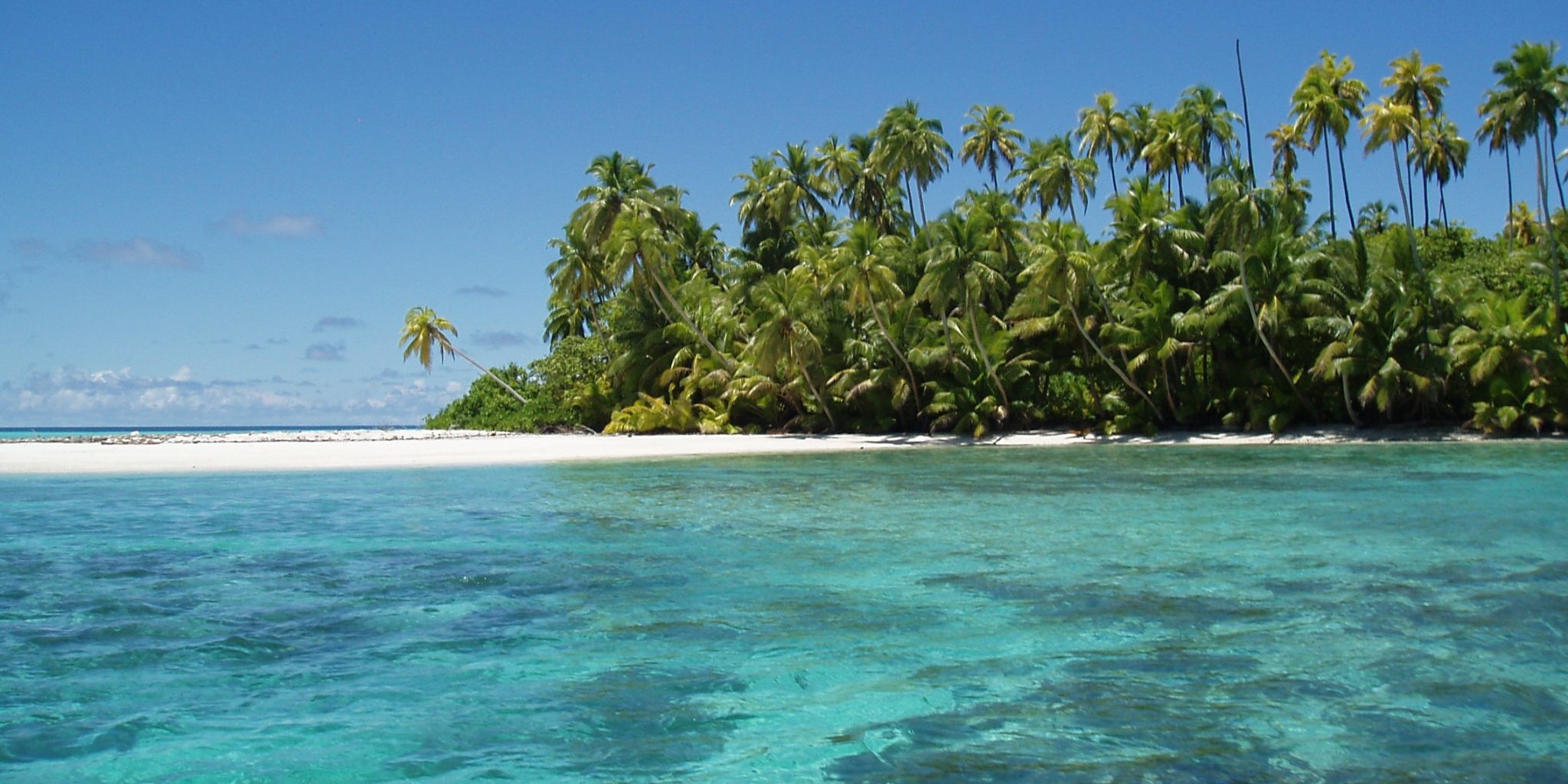
The UK-Mauritius deal proves that British colonialism never truly ended
On Friday 23 January the House of Lords delayed the Chagos Islands deal that has been in the so-called ‘ping pong’ stage of parliamentary scrutiny since being signed last May.
The deal between Starmer and the Mauritian government hopes to put an end to the sovereignty disagreement between the two nations, that has been ongoing since the Chagos Islands were formally named as part of the British Indian Ocean Territory in 1965, by handing over sovereignty to Mauritius. The deal also states that one of the islands – Diego Garcia – will remain leased as a UK-US army base for the next 99 years, other powers will be banned from using the islands around Diego Garcia without British consent, and Mauritius can resettle Chagossians on all islands except Diego Garcia.
In typical Starmer fashion, however, the Prime Minister has managed to unite people from all sides of the political spectrum against him and his deal
Most politicians criticising the deal have focused on the possible deterioration of the British position that it may cause, with Conservative leader Kemi Badenoch suggesting that the deal only serves to weaken the UK. US President Donald Trump had previously agreed to the deal, but recently felt compelled to call it an “act of great stupidity” on a Truth Social post. In typical Starmer fashion, however, the Prime Minister has managed to unite people from all sides of the political spectrum against him and his deal. Whilst Trump and the Tories are most concerned with how this deal affects the West militarily, it has been the lack of consideration for the Chagossian people and their resettlement that has proved controversial amongst those who believe in the importance of self-determination and dignity of all people above the importance of the military.
This concern over resettlement comes from the fact that Britain evicted over 1,000 Chagossians from Diego Garcia to make way for the military base at the time the country took control of the Chagos islands from the former British colony of Mauritius. Many Chagossians have spent decades fighting for their right to return but have been blocked from negotiations, adding further insult to injury by being denied a say on the ownership of their own ancestral lands that they were forcibly removed from. Many people have been asked for their opinion on this deal – even Trump, who is not an official part of this deal, was essentially given a veto last May – but the most important voices are being left behind.
This is an act that simply extends British colonialism into the modern day
British Chagossians such as Bernadette Dugasse have been speaking up and calling for their right to “sit at the table” and decide their own future, as she and many others do not accept that their homeland is something that can be given away. At the same time, Chagossians are not a homogenous group. They do not have a singular view on the deal, with some of them supporting it from the sidelines and celebrating the end of British control over the islands. This difference in opinion is even more reason why Chagossian voices should be listened to – to ensure that there is a healthy and varied debate before the passage of any deal. Listening to the multitude of different opinions surrounding may not lead to a decision that everyone is happy with, but at least it would be a legitimate one, shaped by a greater variety of voices.
Instead, this is an act that simply extends British colonialism into the modern day, proving that it never truly ended. Though Starmer is claiming that the deal rights the wrongs of Britain’s imperial past, other motivations seem to be at play. Starmer himself suggested that the UK needed to sign the deal now to maintain good relations with Mauritius and ensure that they can keep the lease on the Diego Garcia military base, preventing it from ending up in China’s hands. Starmer is trying to fashion this deal as a benevolent commitment to the welfare of the Chagossian people, but how can this be true when Chagossians were never even consulted?
Why, in 2026, are we still holding onto territories and congratulating ourselves for making decisions about them that were never ours to make?
We all like to think that colonialism is a thing of the past – an ancient relic from a bygone era – but if the debates surrounding this deal are anything to go by, colonialism is very much alive. It would undoubtedly be positive if Britain was taking the steps to right its historical wrongs, but continuing to think that they know best how to help people that they evicted in the first place is patronising and shameful. Why, in 2026, are we still holding onto territories and congratulating ourselves for making decisions about them that were never ours to make? The Chagossian people were forced off their lands in one of the many shameful events of British colonialism. Now the UK government is exacerbating the effects of this grotesque historical act by not even allowing the Chagossian people the dignity of having a say in their own future.
This deal may or may not become law, but I cannot be supportive of something that does not even consult the people it affects. Motivated by self-preservation and maintenance of military prowess, this deal is not a benevolent decision made by a government seeking to right the wrongs of the past, but a tangible reminder of the extent to which British colonialism still exists today.
Comments