The Top Science and Technology Discoveries of 2025
The year of 2025 was undoubtedly one of huge scientific advancement, with new and exciting findings in every field ranging from chemistry, biology, physics, and even colour science. I’ve picked out a couple of the year’s biggest discoveries and highlighted their impact on science and the world.
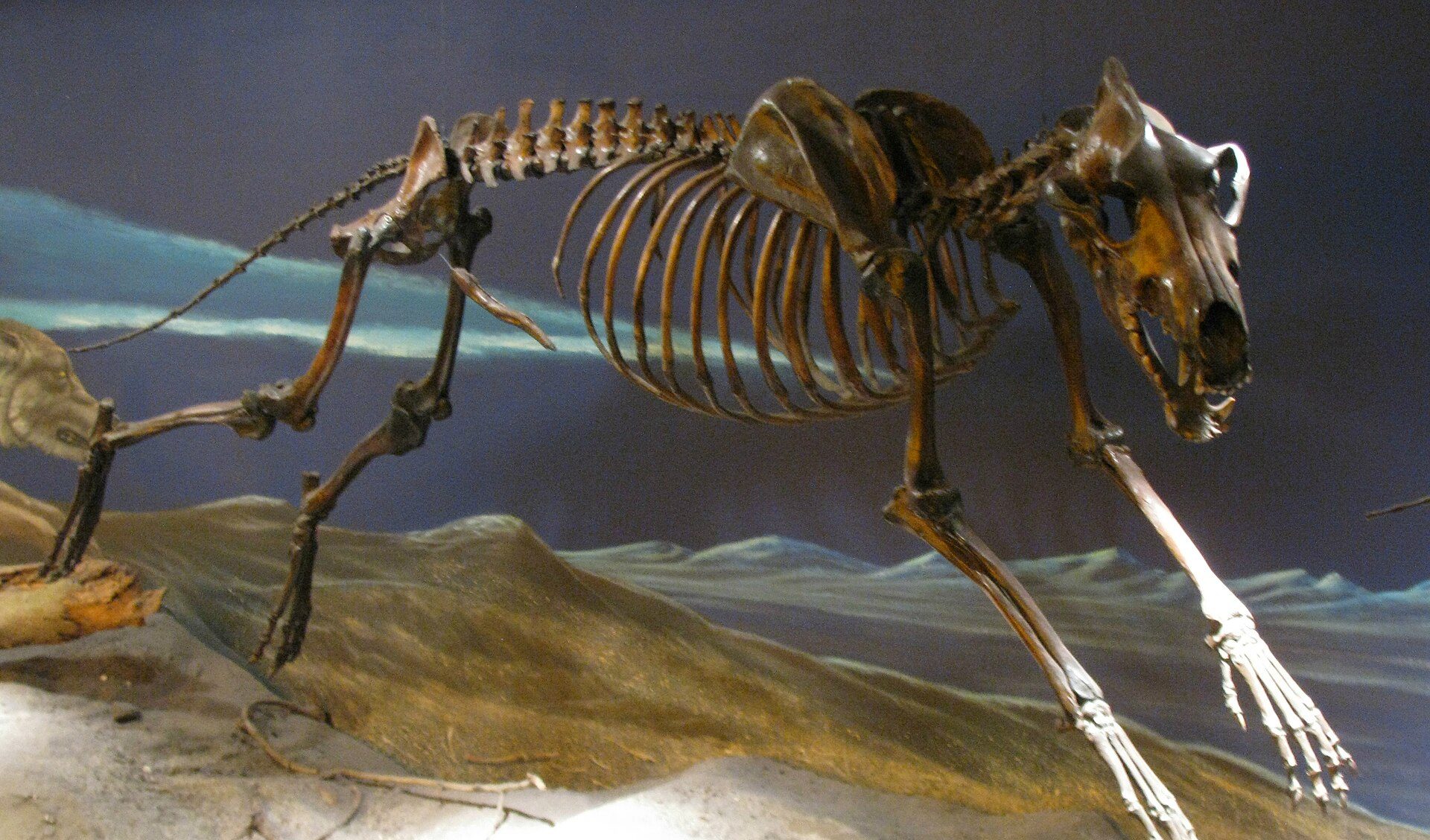
In April, biotech company Colossal Biosciences claimed to have created the “first modern dire wolves” 10,000 years after the species originally went extinct. In a discovery that sounds like the plot of the next Jurassic Park movie, scientists managed to create two males and one female.
Scientists globally have highlighted that the animals were not true dire wolves, and that they were, genetically speaking, grey wolves with minor tweaks.
This was achieved by sequencing the dire wolf genome from a 13,000-year-old dire wolf tooth and a 72,000-year-old dire wolf skull and identifying their genetic differences to modern day canids. They altered the DNA of the grey wolf to create physical traits that resemble those of the extinct animal. The scientists then placed the edited genes into domestic dog eggs before implanting them into surrogate dog mothers.
However, scientists globally have highlighted that the animals were not true dire wolves, and that they were, genetically speaking, grey wolves with minor tweaks. Nevertheless, the possibility of de-extinction raises a huge number of exciting, albeit terrifying questions.
Also in the spring, a team of American researchers claimed to have discovered a new colour called “olo”, which most resembles a deeply saturated blue-green. This discovery occurred through the scientists taking part in an experiment where they made observations using a device called Oz, which consists of optical devices, mirrors, and lasers.
The colour olo could only be seen under specific stimulation and not with the naked eye.
When the participants looked into the device, they had laser pulses fired into one of their eyes, which activated their retina. The retina is the light-sensitive tissue lining the back of the eye that converts light into electrical signals that are sent to the brain for vision. It includes cone cells, of which there are three types: S, L, and M, which are each sensitive to different wavelengths of blue, red, and green light respectively.
The laser the scientists used only stimulated the M cones which, according to the paper, “would send a colour signal to the brain that never occurs in natural vision”.Thus, the colour olo could only be seen under specific stimulation and not with the naked eye.
Notwithstanding, other scientists not involved with the study have argued against the notion that a new colour had been discovered, particularly given it’s entirely based on the perspectives of only five participants. Yet, this research will also be used in the study of colour blindness, which could have significant implications for the approximately three million people affected.
2026 will surely be a year of even more discovery and wonder, and one can only hope that uncovering the mystery of the chemical components of the Eliminator at Kelcey’s is top of the list.
Comments