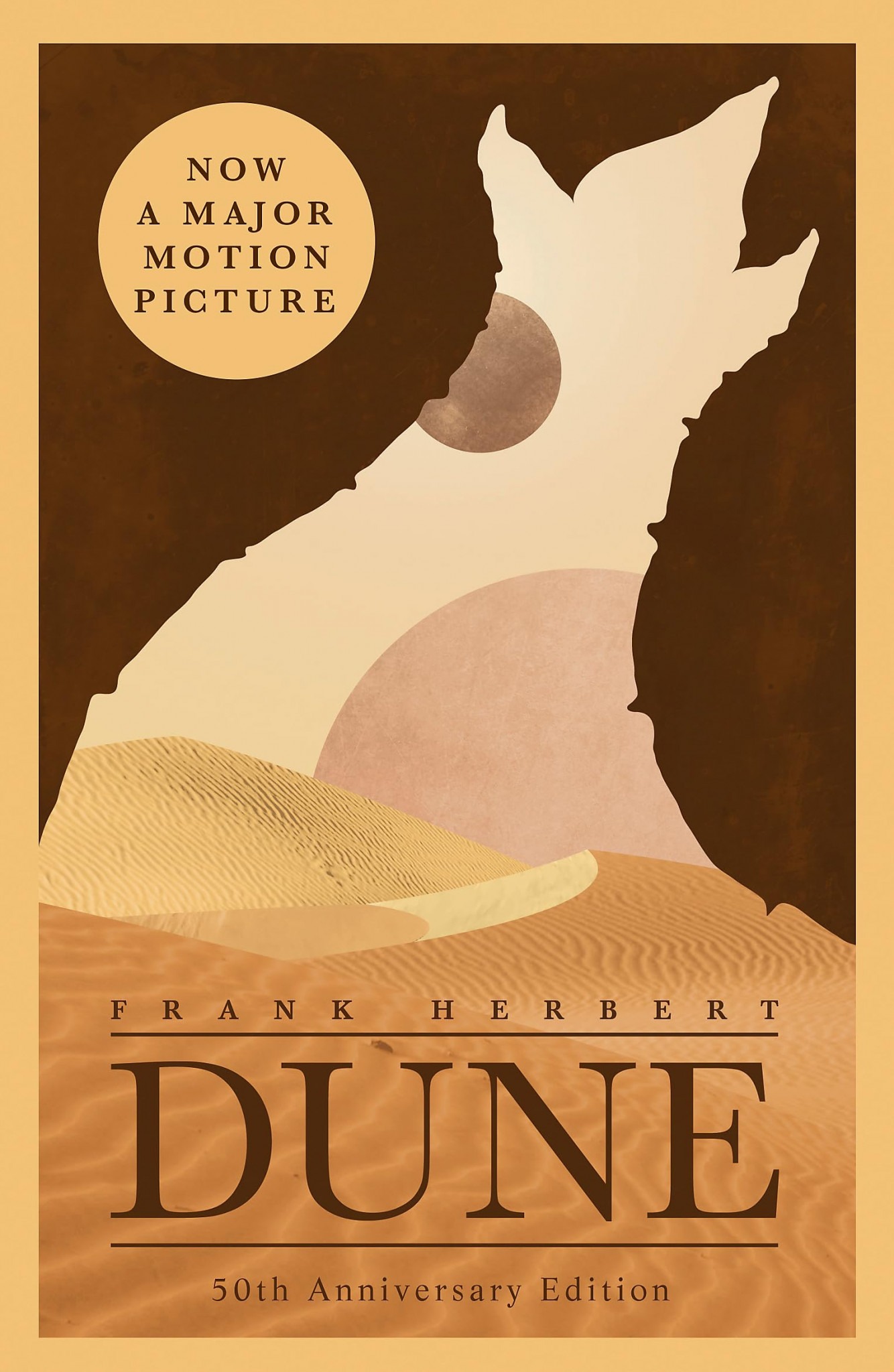
The inevitable tragedy: An analysis of Dune
Like many people, I consider Denis Villeneuve’s Dune films to be some of the best science fiction films I’ve ever seen and adored them so much that I decided to read the book. Little did I know that the complexity and genius of Frank Herbert’s seminal work would dwarf even that of the films. This article is going to attempt to analyse the tragedy at the heart of Dune: the story of Paul and how every single aspect of this novel makes its tragic conclusion an inevitability. Upon examination, it becomes clear that the ending of Dune was unavoidable despite the reader’s wishes, highlighting part of the reason why Dune is still considered one of the best science fiction books of all time.
First, we need to discuss what Paul’s choice fundamentally was at the end of Dune. In the novel, he chooses to accept his apparent destiny as the Lisan Al Gaib and leads his Fremen fighters to start the Holy War across the universe in order to establish himself as Emperor. However, earlier in the book, Paul is horrified by the idea of the war and doesn’t want it to happen: “The vision made him want to cry out. Legions streaming across the universe in his name, fanatical, unstoppable.” He spends a lot of time dwelling on how to stop this from happening, but in the end, he accepts this as his fate: “Paul saw how futile any efforts were of his to change any smallest bit of this.” How can it be that the war Paul was so desperate to avoid ended up happening despite his gifts of premonition?
There are two main reasons for the Holy War being inevitable, one of them being the power of religion. The dangers of religious fanaticism and charismatic leaders are a key theme of Herbert’s work, as he wanted to show that the Fremen who believed in the prophecy were affected by the most powerful motivation of all: faith. Paul uses the Fremen’s belief in him as the Lisan Al Gaib to convince them to help him fight for his revenge, a belief that had been given to them by hundreds of years of exploitation from the Bene Gesserit: “They had been prepared for him”.
The raids were no longer enough for them, they wanted larger conflict, demonstrating that the religious fanaticism was too substantial for Paul to completely keep in his control
The world of Arrakis is harsh, and hope for a better future meant the Fremen were highly susceptible targets in which the prophecy could take root. The Fremen wanted to believe so viscerally that Paul, as their leader, could bring water and a green Arrakis to them that their willingness to serve him was what made the Holy War inevitable. Once Paul had made them believe in him and stoked the flames of prophecy to suit him, the War could never have been avoided, no matter what he did, because their faith and religion were always bigger and more powerful than him. When the Fremen had been trained, the raids were no longer enough for them, they wanted larger conflict, demonstrating that the religious fanaticism was too substantial for Paul to completely keep in his control: “When religion and politics travel in the same cart, the riders believe nothing can stand in their way.”
The second reason for the inevitability of the Holy War is the personality and character of Paul. His fatal flaw is his hubris, as shown more towards the end of the narrative. Paul continued to follow his visions and seek revenge, while still believing he could somehow prevent the conclusion they inherently led to. His perception of himself as a unique anomaly who could have his revenge on both the Harkonnens and the Emperor while also preventing the war that he was in the process of starting was false.
From the beginning of the novel, Paul has always felt a “terrible purpose” that he would achieve, and a normal life would never have been something he could choose. One of the most impactful passages in the novel for me is when Jessica tells Paul to marry Chani and that she is remorseful about her and Bene Gesserit’s manipulation of the events leading up to this. She urges him to “choose the course of happiness”, which can be interpreted as saying that Paul could choose to live more peacefully among the Fremen and not decide to fight. However, Herbert deliberately constructs Paul’s character to reject this decision; Paul wants revenge and would continue to be plagued by visions of his “terrible purpose” until it ultimately comes to pass.
It was inevitable that he would take advantage of the Fremen due to his thirst for revenge, and it was inevitable that they would fight for him
There is a sense of a ‘Catch-22’ situation with the fatalism of Dune’s ending, as, in spite of his efforts, once Paul takes advantage of the religious fanaticism, he is powerless to stop the Holy War. It was inevitable that he would take advantage of the Fremen due to his thirst for revenge, and it was inevitable that they would fight for him: “He had thought to oppose the Jihad within himself, but the jihad would be. His legions would rage out from Arrakis even without him. They needed only the legend he had become.” He was no longer steering the religion and would not be able to stop it; his death would only make him a martyr for the Fremen, as their desire for the Bene Gesserit prophecy to be true was far greater than their desire to serve Paul’s wishes.
Ultimately, Herbert masterfully creates a narrative with a prescribed ending, highlighting the exceptional tragedy of destiny. This harrowing conclusion is not only something Paul attempts to escape, but the audience too, despite what was known from the very beginning; billions of people were always going to die in Paul’s name, in a cruel war, and he himself would not live out the life of happiness that his mother wished for him.
Comments