The business of falling in love
Whoever first decided to mash romance and reality TV together deserves a very specific kind of award. Not only did they create entertainment, but they also cracked the code to the most marketable human emotion – love. Or at least, the televised illusion of it. There’s something undeniably ridiculous yet impossible to look away from when watching strangers cry over people they met three days ago. Whether contestants are chasing prize money, brand deals, or genuinely hoping to find ‘the one’, we still plop ourselves on the couch and collectively agree that yes, I would love to watch this tonight.
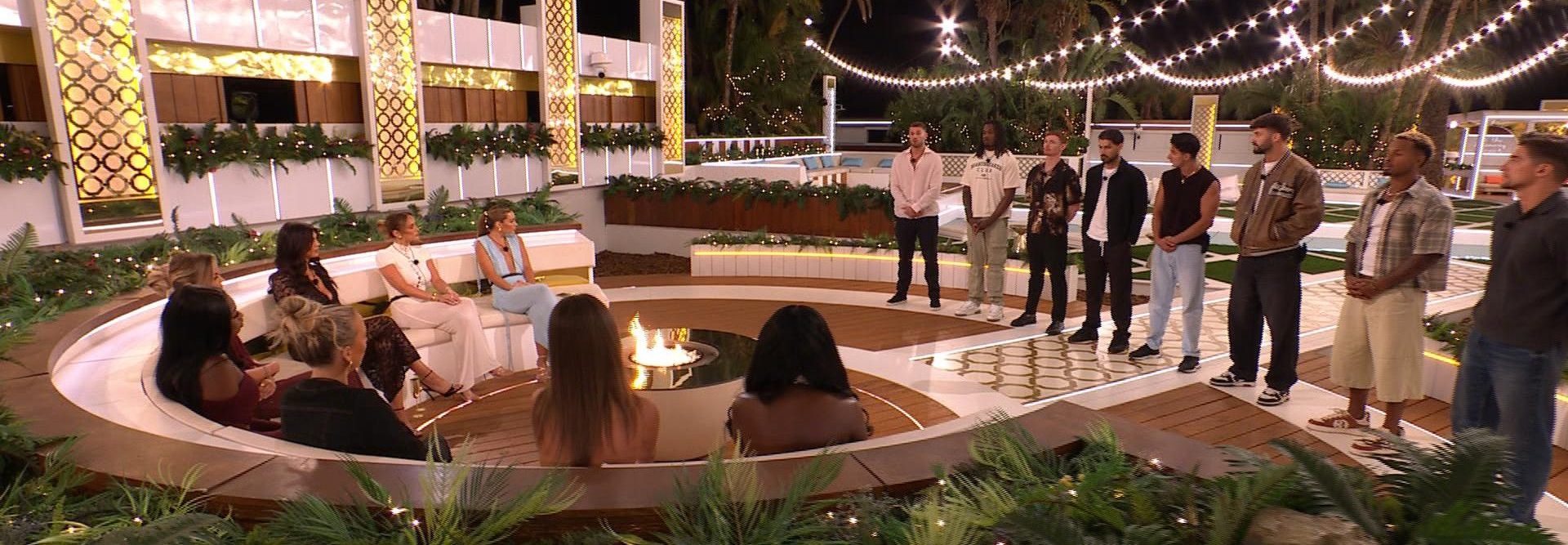
Dating shows have become a keystone of reality television, with Love Island leading the charge. The British series traps single men and women in a sun-soaked villa under constant surveillance, all for a chance at romance and a whopping £50,000 cash prize. At its peak in 2019, the show pulled in over six million viewers, but the real question is why. What is it about watching perfectly styled strangers flirt, fight, and fall in love on schedule that makes it the ideal choice for a night in?
Love is treated less like a feeling and more like a task
I’d argue that the entire concept of dating shows is wildly ridiculous and almost completely unimaginable. How, in any realistic sense, is the deepest and rawest human connection supposed to form within a few weeks, under constant surveillance, and the added pressure of public image and lust for profit? Love, in its truest form, is usually credited as something organic, an emotion that beautifully develops naturally, at the right time, with the right person, in the right place. Some might even call it fate. Yet on dating shows, love is treated less like a feeling and more like a task. Contestants on shows are encouraged to form a connection quickly, stay loyal strategically, and perform affection on cue, all while knowing millions of people are watching their every move. In this environment, love cannot be truly discovered; it is only manufactured. It is rushed, curated, and influenced by the looming presence of cameras, prizes, and public satisfaction.
Ironically, it is this very impossibility that entertains the audience. Subconsciously, we keep watching because we can’t quite wrap our heads around how it could ever work. The tension between what love is supposed to be and what it morphs into on reality TV creates a strange fascination. We tune in not because it makes perfect sense, but because it doesn’t. Watching something so unnatural attempt to pass as authentic is endlessly entertaining.
Dating shows offer a version of romance for everyone
However, dating shows have begun to slowly add a richer layer to how love is represented on screen. In recent years, various programmes have begun to combine dating with meaningful representation, such as Love on the Spectrum. Shows like this move away from manufactured drama and instead focus on emphasising that love is not exclusive to certain personalities and experiences. This shift has been used to positively challenge traditional narratives around romance, highlighting that everyone deserves connection and companionship. Rather than treating love as a prize to be won, these shows delicately frame it as something human and universal. In doing so, they offer a refreshing contrast to more sensationalised dating shows and remind audiences that beneath the spectacle, the desire to give love and receive love is something we all share.
In this way, dating shows reveal a dual capacity. On one hand, certain programmes genuinely celebrate connection and the idea that love is accessible to everyone. On the other hand, many dating shows focus more heavily on turning romance into a display. Falling in love on screen thus becomes something carefully curated to suit individual audience needs. Whether viewers are drawn to wholesome, heartfelt connections or chaotic and dramatic moments, dating shows offer a version of romance for everyone.
Comments