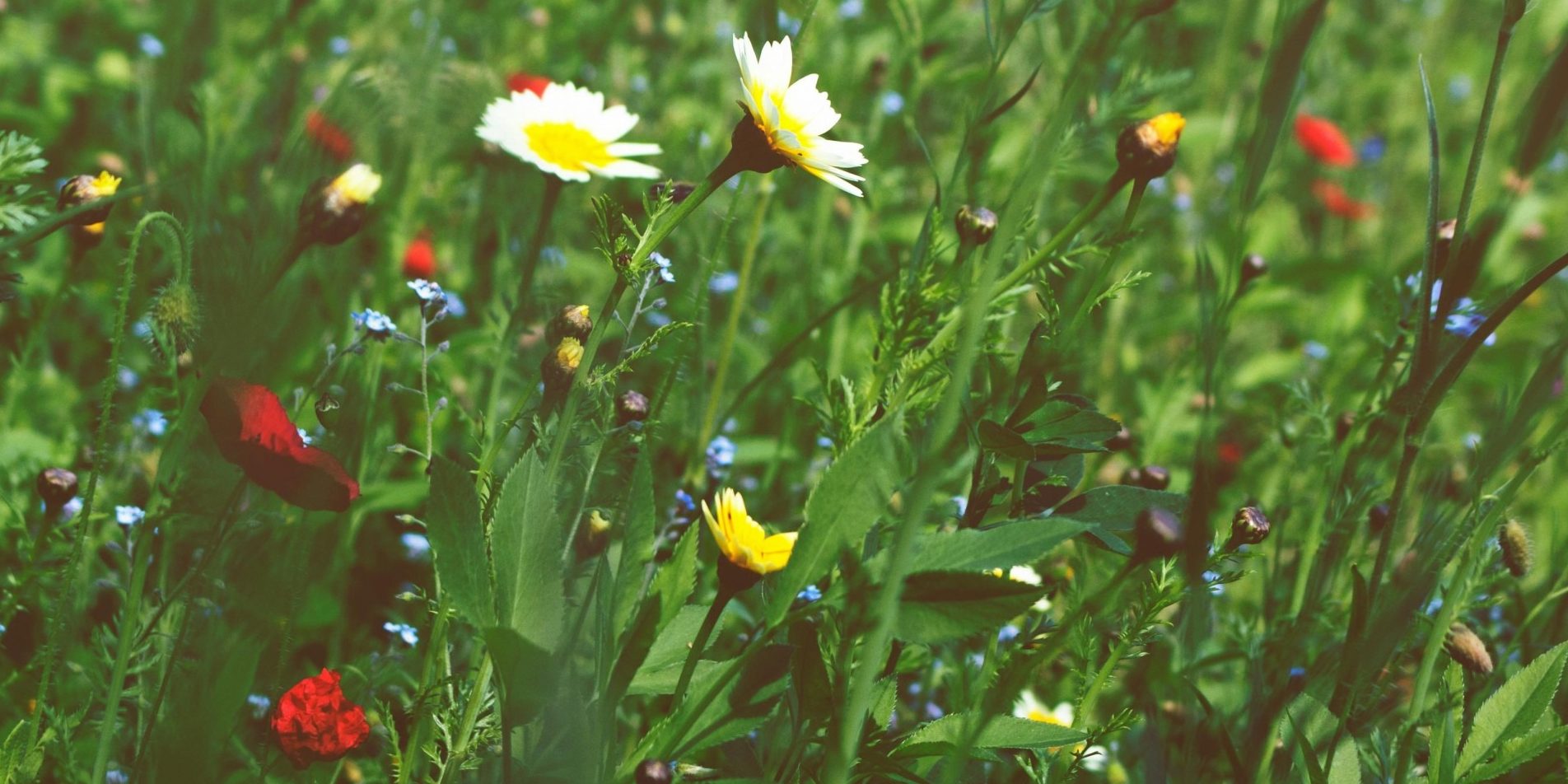
Rising temperatures cause wildflowers to bloom in winter
It seems that some plants are overeager for spring to arrive, with hundreds of plants blooming in winter instead. A study conducted in 2022 by Cambridge University found that the UK’s flowers are blooming one month earlier than they used to, including daffodils and various species of flowering trees. More recently, a Met Office study of data found that, for every 1°C rise in temperature, an extra 2.5 species are in bloom at given locations during the winter months. The data was gathered at this New Year Plant Hunt, an outreach activity where botanists record which wild plants they can find in bloom.
In 2025, 310 native plant species in flower were recorded. However, the Botanical Society of Britain and Ireland (BSBI) said that this far exceeded the 10 species they would expect for this time of year. In total, they counted 646 flowering species including non-native species such as red dead-nettles.
Many common native wildflowers found in back gardens, such as daisies and dandelions, are also on the list of native plants unexpectedly in winter bloom. Kevin Walker, a scientist at BSBI, stated: “This is yet further evidence that climate change is affecting our wildlife indiscriminately.”
Entire crops can be killed off if blossoms on fruit trees are hit by some late-winter frost.
Insects will suffer the main impact of plants flowering early. Insects that are used to feasting on flowers in April may be a few months too late if warmer temperatures mean plants now flower in January and February. Animals that rely on a punctual production of nectar, seeds, and fruit could be badly affected as not all species can adapt to these changes as quickly as others.
This will also negatively impact farmers and gardeners, as entire crops can be killed off if blossoms on fruit trees are hit by some late-winter frost.
Debbie Hemming, a vegetation expert and the Met Office, said it was “tangible evidence” that climate breakdown was directly influencing the world around us, stating: “These findings underscore how rising temperatures and increasing climate extreme events are shifting the natural cycles of our plants and wildlife.”
Comments