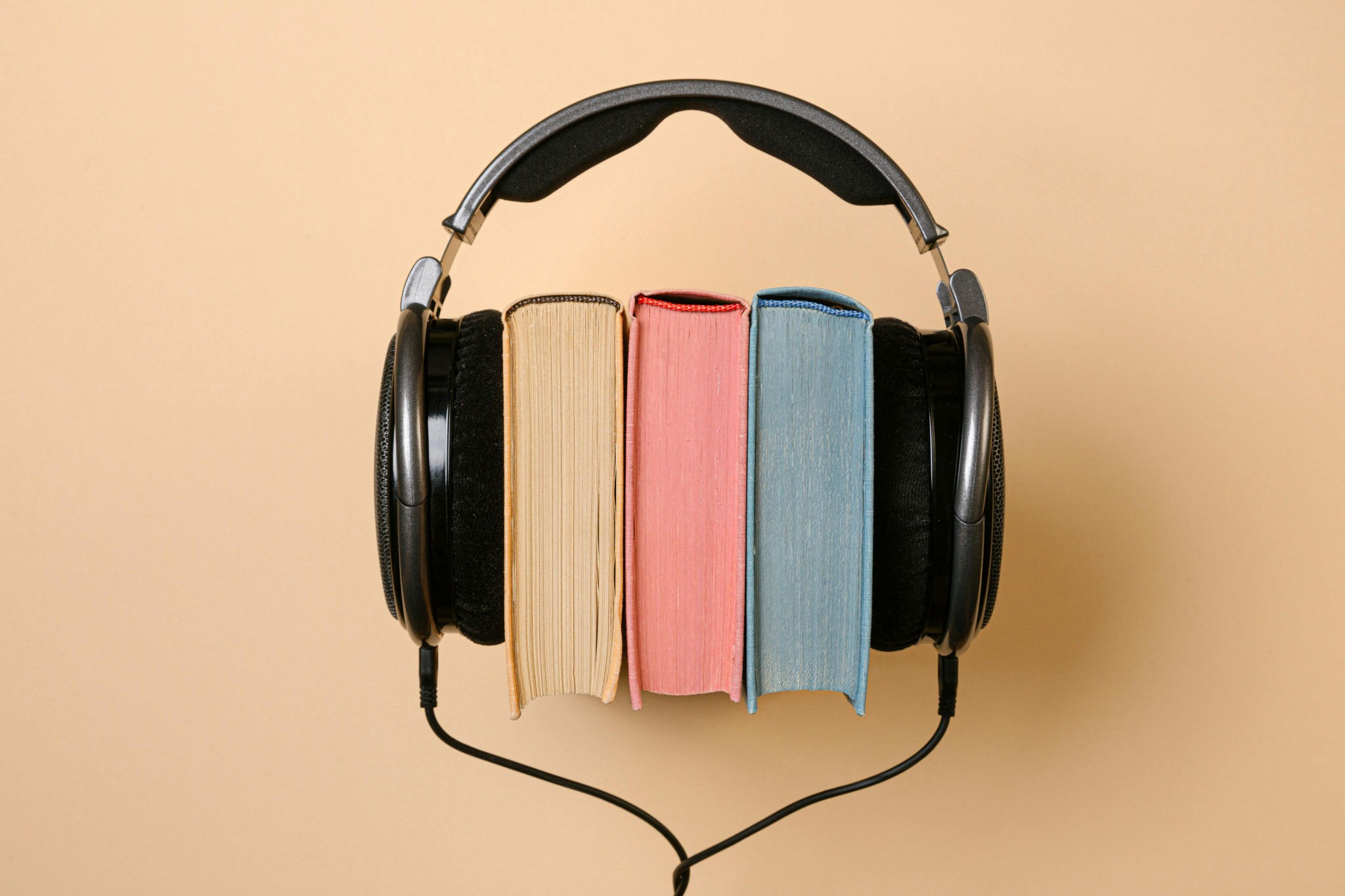
Multimedia in literature and the transformation of literary habits
In recent years, the boom of audiobooks, podcasts, Kindles, and other paperless reading practices has reached new heights. Given their rapid increase in popularity, it is important to look at how these new modes of reading might influence, corrupt, or otherwise change our literary habits.
How might these different forms affect our consumption of what is, at its core, the same story?
We might begin by asking the question – what is a story? Can a story come in any form? Does the form change the story at all? It certainly is the case that nowadays, stories are available in a plethora of mediums – sometimes, the same story comes in paperback, audiobook, cinematographic, and musical form. How might these different forms affect our consumption of what is, at its core, the same story?
There are a few clear differences between the traditional paperback and modern digital media. Firstly, the feature set of online reading is vast and often over-determined – we don’t need a book with Bluetooth capabilities! Though some features are useful, such as having no need for a reading light or progress bars to incentivise longer periods of reading. The digital literary experience is vastly different from the timeless simplicity of the paperback. However, there is something grounding and authentic about the streamlined, paper feel of an old book. Here we find the first real upsetting of the online reading experience.
Books are often thought of as an escape from the algorithm, or perhaps from the stresses of everyday life. This is, in part, because a book is a one-dimensional object; when the only thing you have in your bag is a copy of Fitzgerald’s The Great Gatsby, you can only read Fitzgerald’s The Great Gatsby. Evident as it is, I think this is key to the cathartic experience of reading – you focus your attention on just one thing, get lost in a single story, and do all that mental transportation without looking at a single screen. This is what the e-reader ignores about the experience of reading literature.
The e-reader presents a Wi-Fi-connected, ever-present library of every work of literature written by our species, available for purchase. This completely neglects the one-dimensionalism of what a book is supposed to be. It treats reading as an act of efficiency, focusing on the words alone, and so long as the words match up, it’s the same as having the physical book, right?
I disagree. I think that the fickleness of the e-reader damages the resilience of the reader, makes us less likely to stick with a challenging story, and makes it hard to commit to just reading. That is what reading, even if it must be dressed up in technological garments, should be about. It should be about incentivising just reading, not trying to turn the literary experience into a subscription model run for profit. Businesses need to make money to survive, and the literary business is no different, but this must not come with damage to the habit of reading itself.
Technology transform the literary experience into something handsfree, allowing you to ‘read’ – or consume the story – while running, doing the dishes, or working
Audiobooks and podcast-series are no different. Technology transforms the literary experience into something hands-free, allowing you to ‘read’ – or consume the story – while running, doing the dishes, or working. This is another corporate misunderstanding of what the act of reading achieves, again treating stories as things to be completed, ticked off and added to the ‘read library’ as quickly and efficiently as possible. Why would you want to be doing anything else while reading? Isn’t the point of reading to be distracted from the outside world, absorbed in something fantastical?
Of course, there is a benefit to audiobooks. For those who find reading paper text inaccessible, audiobooks allow them to consume their favourite stories without compromise. This is, of course, a positive addition to the enterprise of literature – promoting the global inclusivity of reading and story is always a benefit. However, in the vast majority of cases, it seems that audio literature is made for being consumed alongside other activities, and this is, some might argue, a corroding of literary habits.
In the technological era, it comes as no surprise that reading literature has been swamped by a plentiful supply of digital options. Clever, feature-full, and efficient as they are, I personally don’t believe any of these mediums are taking over the literary sphere. In the end, we must ask ourselves, can anything ever truly replace the simple joy of sitting down, totally unplugged, with a weighty book, turning carefully through the fragile pages?
Comments