Managers Today: Coaches or Victims?
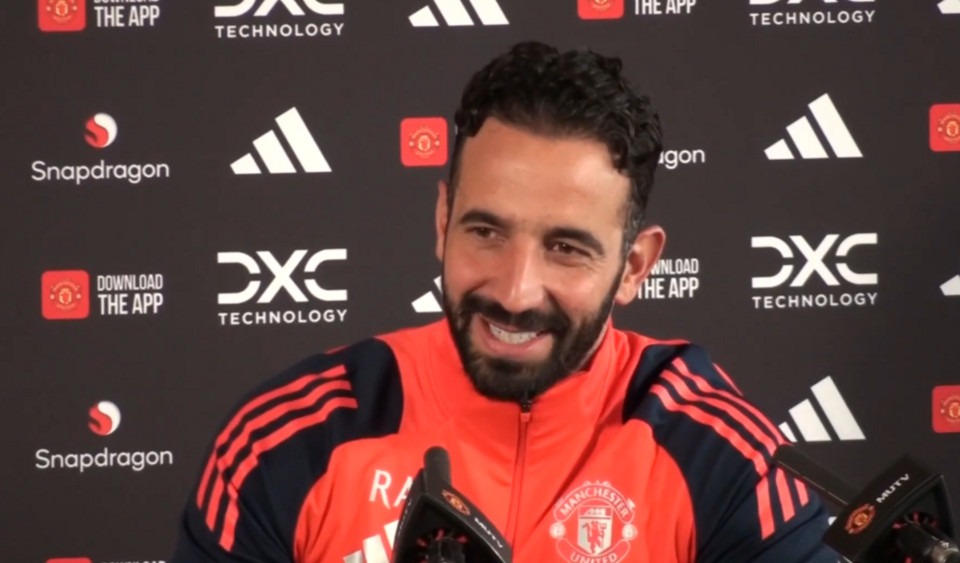
With Ryan Mason being sacked from West Brom earlier this January, just one day after Ruben Amorim being discharged from Manchester United, managerial dismissals across the top 4 divisions of England reaches 22, reflecting an increasingly feeble dynamic between managers and club in modern football.
Today, clubs are operating a front-office model, where the role of the manager is simply to train the players
While some such as Ruben Selles, who lost all 6 games in charge of Sheffield, can be justified from a sporting standpoint, many of these expulsions appear to stem from a hierarchical fallout. Among them, Nuno Espírito Santos’ departure from Nottingham is the most infamous as despite leading the club into Europa League football, he was swiftly sacked following public comments about a strained relationship with owner Evangelos Mariankis. This trend has continued throughout the year as Ruben Amorim was also sacked, 14 months into his tenure, only after making controversial statements in the pre-game conference before the game against Leeds, which was perhaps more surprising, considering INEOS had consistently backed the Portuguese in spite of having the lowest win percentage in United history.
However, this does not seem to be a case with football exclusively. The Memphis Grizzlies in the NBA sacked their winningest coach in Taylor Jenkins after missing playoffs last year despite qualifying for 3 seasons in a row before. More astonishing was the dismissal of Denver Nuggets Head Coach Michael Malone, who was sacked last year with only 3 games left in the season despite the team standing at 4th in the Western Conference and having 8 consecutive winning seasons under his belt and winning their first title in 47 years. Owner Josh Kroenke stated that the decision was made to give the team a greater chance of winning.
Now, the high number of managerial departures is not something new. In the 2015/16 season, the English football chain recorded an all-time high of 29 sackings in the first half of a season, which culminated to 56 throughout the season, a number that still stands. However, with more and more coaches being sacked for what a majority calls non-footballing reasons, many fans are becoming concerned about the existential issues within different sports. Earlier, managers were somewhat of a representative of their club, think Alex Ferguson with Manchester United or Arsene Wenger with Arsenal and even short-term tenures such as Johan Cruyff with Barcelona. But today, clubs are operating a front-office model, where the role of the manager is simply to train the players.
Since 2014, Manchester United have had to pay £98m as severance to sacked coaching staff
With the influx of foreign ownership, teams are now hiring multiple people with some authoritative capacity such as a Sporting Director, Head of Recruitment etc., reducing the voice of the coach in favour of a more streamlined process of decision-making. Yet, from a financial perspective, sacking a manager seems to be a bad decision. Since 2014, Manchester United have had to pay £98m as severance to sacked coaching staff, while certain individual coaches like Jose Mourinho have cost his previous 4 EPL clubs a collective £62 million in compensation.
30 years ago, these figures would prevent any club from deciding to lay off a coach. However, the sport has drastically changed since. Nowadays, merely qualifying for the Champions League warrants an additional £40 million in revenue, potentially reaching a maximum of £150 million; And with new competitions being introduced, most notably the 32-Team Club World Cup format, where the total prize pool is $1 billion, performance and money go hand-in-hand. These monetary benefits extend to the Championship as well, where the winners only receive £11 million in prize money, while Southampton, who finished 20th in the last Premier League season, getting relegated, received £109.2 million, showing how just achieving promotion can yield financial gains of nearly £100 million. So, owners today are firing coaches because not firing could be
even worse financially thus treating the activity as a cost to profit.
Long-term trust between the owners and the managers is depleting in favour of a systemised approach
Ultimately, in this era of financial prioritisation and an optimised boardroom, the role of a manager is getting reduced to that of a pawn. Long-term trust between the owners and the managers is depleting in favour of a systemised approach, where a win, despite contributing to the same 3 points it did 40 years ago, is no longer the primary factor behind a manager’s fate if his vision does not align with that of the hierarchy.
Comments