A thousand dollar ticket: How tour prices reflect on artists
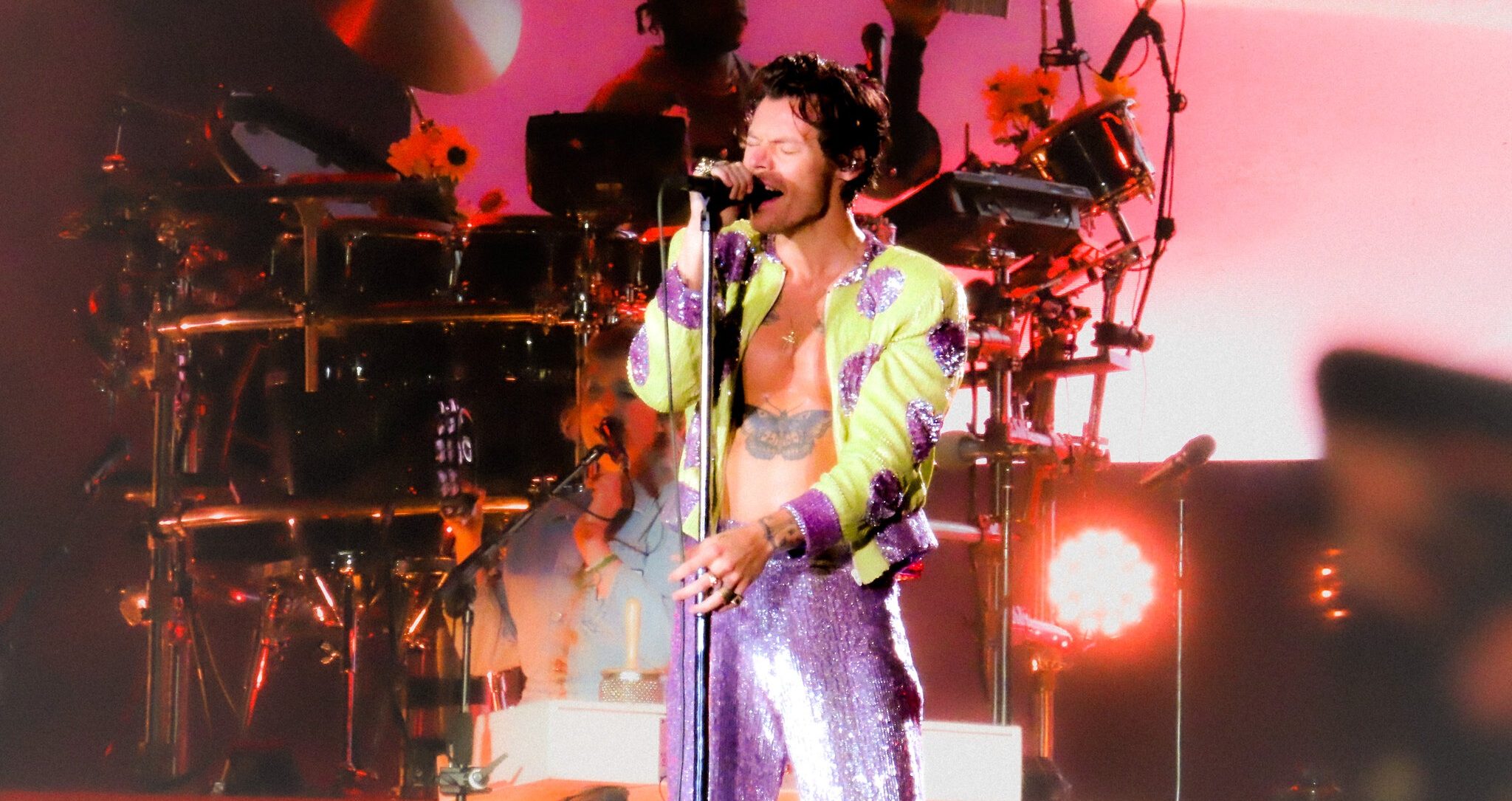
Harry Styles recently announced his much-anticipated 2026 Together, Together tour, and fans have been outraged at ticket prices approaching $1000 in presales; some have been taking desperate measures to afford them. One fan even admitted to selling their own plasma to pay for the tickets. With soaring ticket prices, is music becoming exclusive, and should artists be held accountable?
Styles has left many fans disillusioned as he and his team signed off on a ‘dynamic pricing’ policy, in which ticket prices fluctuate in response to demand. Many fans voiced their disappointment with the singer, deeming the ticket prices “absolutely disgusting”.
Dean’s actions are exactly what is needed in the current landscape of live music
In contrast, Olivia Dean recently called out Ticketmaster on Instagram, criticising the resale of her tickets for as much as $800 to $900. Fans took to social media to praise the singer, pointing out that other artists should take an example from Dean’s advocacy for fair ticket prices. Ticketmaster responded, noting that they would cap the resale value of those tickets in support of Dean’s “commitment to fair ticket pricing.”
Dean’s actions are exactly what is needed in the current landscape of live music. Historically, concerts have always been about bringing people together in a shared experience of their favourite artists. That sense of togetherness and unity is part of the magic of live shows, most recently seen in the bracelet making and exchanging during Taylor Swift’s Eras Tour, making concerts a space for connection. However, the surge in ticket prices is turning live music into an exclusive and exclusionary experience, becoming increasingly inaccessible to less privileged classes. Particularly, as it is the fans who enable an artist’s success, many are left feeling betrayed by them and alienated from live music as it becomes a luxury product.
Companies selling concert tickets hold a responsibility in protecting fans from unfair prices
There has been much debate surrounding whether artists or companies selling tickets should be held accountable for these sky-high ticket prices. In 2025, Ticketmaster were being sued by the Federal Trade Commission as they were accused of selling tickets in large quantities to customers who were then reselling for higher prices. Consequently, fans missed out on the original prices of the tickets, being forced to purchase at a much higher value if they wanted to see their favourite artists live. As such, companies selling concert tickets hold a responsibility in protecting fans from unfair prices and keeping live music accessible.
However, Ticketmaster explain on their webpage that they are only responsible for additional fees, and that it is artists and their business teams who set the price of their tickets. Moreover, Ticketmaster notes that artists can adopt the Face Value Exchange, meaning that their ticket resale price will be capped at the original price. Therefore, it is ultimately down to artists and their teams to take the initiative to keep music accessible. They can achieve this by setting inclusive ticket prices and adopting the Face Value Exchange to protect from high-priced resales, as Billie Eilish did during her Hit Me Hard and Soft tour.
It is up to artists to step up and keep live music accessible
Artists can take further inspiration from Dominic Harrison, commonly known as Yungblud, who took his battle against extortionately priced concert tickets to another level. Being an advocate for keeping live music accessible to all, Yungblud created his own music festival called Bludfest, based in Milton Keynes. With tickets being priced at £73 in 2025, compared to Glastonbury’s £378 tickets last year, Yungblud aims to bring fans an experience of live music they can enjoy without draining their accounts. When asked about Bludfest in an MTV UK interview, Yungblud stated he wanted to “give back to my fanbase”, who, through their support, had enabled him to pursue music as a career.
While artists are not obliged to take their stance against extortionate ticket prices to the incredible level which Yungblud does, they must at the very least speak out against unfair practices as Dean has. Especially as the high prices being set by resellers add to the problem, it is up to artists to step up and keep live music accessible.
Comments