Falling forward? The future of the Federal Reserve
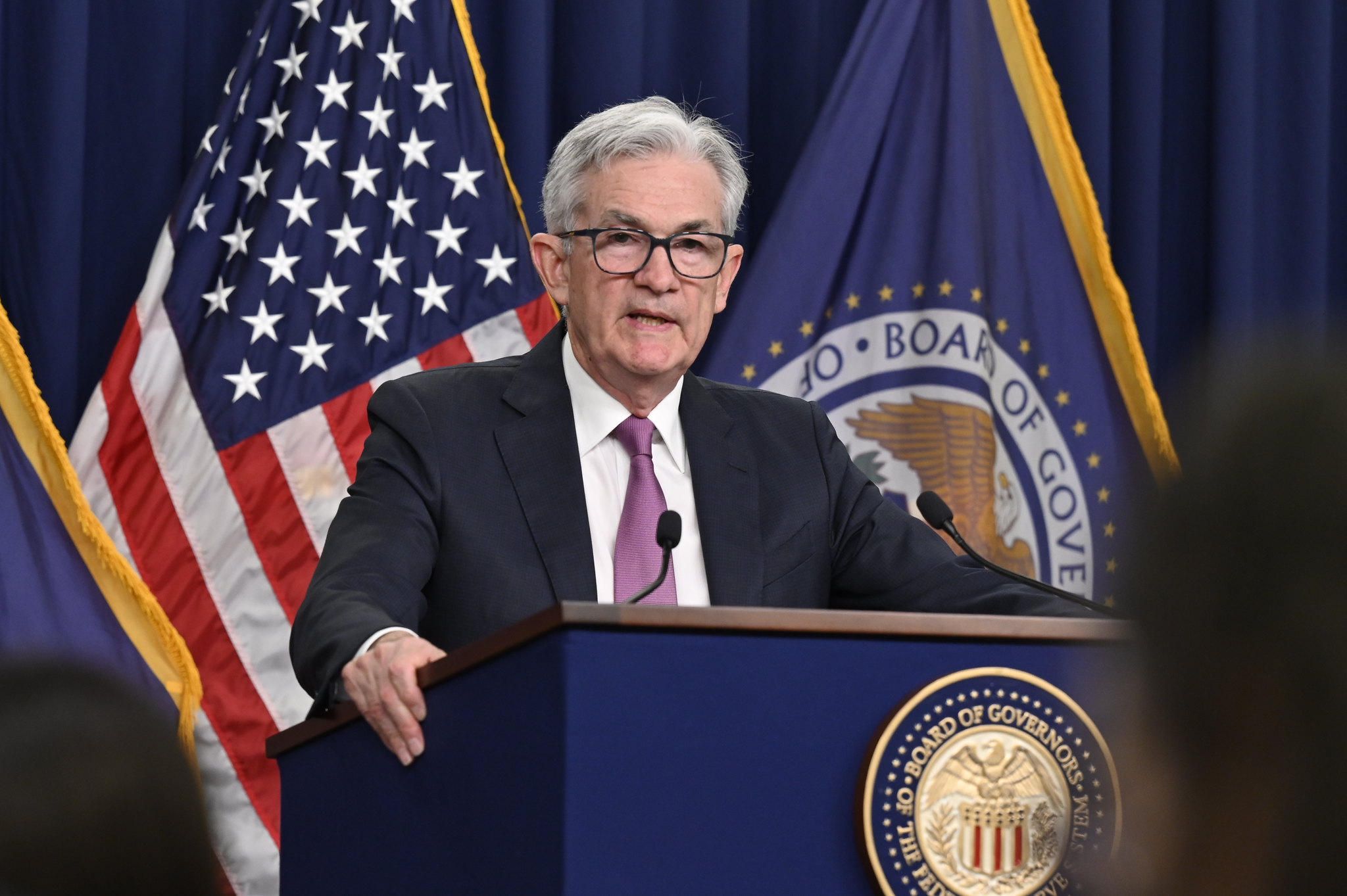
Donald Trump named Kevin Warsh as the 17th chair of the United States’ Federal Reserve Bank on Sunday, February 1st. This has followed an ongoing investigation into the current Federal Reserve chair, Jerome Powell, who was nominated by Trump in February 2018. Powell’s time as chair is set to expire in May of this year, leaving the door open for the president to nominate a replacement.
When asked, the Justice Department cited that Powell misappropriated funds for a renovation of the Federal Reserve headquarters that was due this year. However, Powell addressed the nation claiming: “I have served at the Federal Reserve under four administrations, Republicans and Democrats alike. In every case, I have carried out my duties without political fear or favor.” Donald Trump has been an active critic of Powell, whom he has said is “hurting our country”, after Powell had refused to lower interest rates at the president’s request.
Warsh, like Trump, has been arguing that the Federal Reserve cut interest rates more forcefully.
The saga is a reminder that even institutions that have historically remained entirely independent of partisanship are now under Trump’s microscope.
Warsh has reportedly been more sceptical about raising interest rates, which may align with Trump’s desire to keep interest rates as low as possible, on the basis that this will stimulate short-term economic growth. There are some on Wall Street who have said, however, that Warsh will not be equipped or even motivated to give Trump what he wants economically. This is despite Trump joking that he would sue Warsh if the Fed does not cut rates to the levels the president wants.
The U.S. Treasury Secretary, Scott Bessent, said if Warsh were to take up the role, he would have to keep an “open mind”. Warsh, like Trump, has been arguing that the Federal Reserve cut interest rates more forcefully.
In April, Warsh said that he thought the Fed had overextended its independence and authority over monetary policy in the U.S. “Fed leaders would be well-served to skip opportunities to share their latest musings,” he told economic leaders gathered in Washington for Spring meetings of the World Bank and international monetary fund. Warsh has remained a critical voice at the Fed in recent years, and has been pointed in his critique of how Powell handled inflation following the COVID-19 Pandemic. Unlike Powell, Trump’s new pick has successfully courted the President’s interests and aligns with his view that AI and the boom in productivity and innovation it will create will juice the U.S. economy.
What Powell does in the next few months will set a precedent: one for how independent the Federal Reserve can truly be in the face of the heat of the Trump administration
When asked directly what Trump would do if Warsh did not lower rates, he said, “he’s going to lower them. … I hope he’s going to lower, but you know, he’s gonna have to do what he wants to do.” Some have taken this as a veiled threat that the president will retaliate if Warsh does not fall in line with his own goals.
In the meantime, Powell sits in a precarious position before the end of his term. “I’ll be honest, I’d love to fire his ass,” said the president in November of last year. The Fed Chair is tasked with remaining independent at a time when the executive’s orbit is at its hardest to resist. What Powell does in the next few months will set a precedent: for one, how independent the Federal Reserve can truly be in the face of the heat of the Trump administration.
Comments