Fairness or theft: Should we abolish inheritance tax?
Do we scrap inheritance tax? Is it unfair to those ‘hard workers’? Or do we increase them to pour existing money back into the services that everyone can benefit from?
As it stands, the government imposes a 40% inheritance tax on the estate of someone who has just died if the estate exceeds £350,000 (with exceptions).
Inheritance tax liability on foreign assets is generally exempt unless they have lived in the UK for 15 of the last 20 years. However, this rule has changed, and since 6 April 2025, it will be 10 out of 20 years. The government has confirmed that the nil-rate band of £350,000 (and residence nil-rate band of £175,000) will remain frozen until 2030, increasing the tax burden without raising rates.
Abolishing inheritance tax only further entrenches the wealth divide: almost half of the gains will go to the richest 1%
This inheritance tax rate (for 2025–6) is forecast to raise £9.1 billion, equivalent to £320 per household.
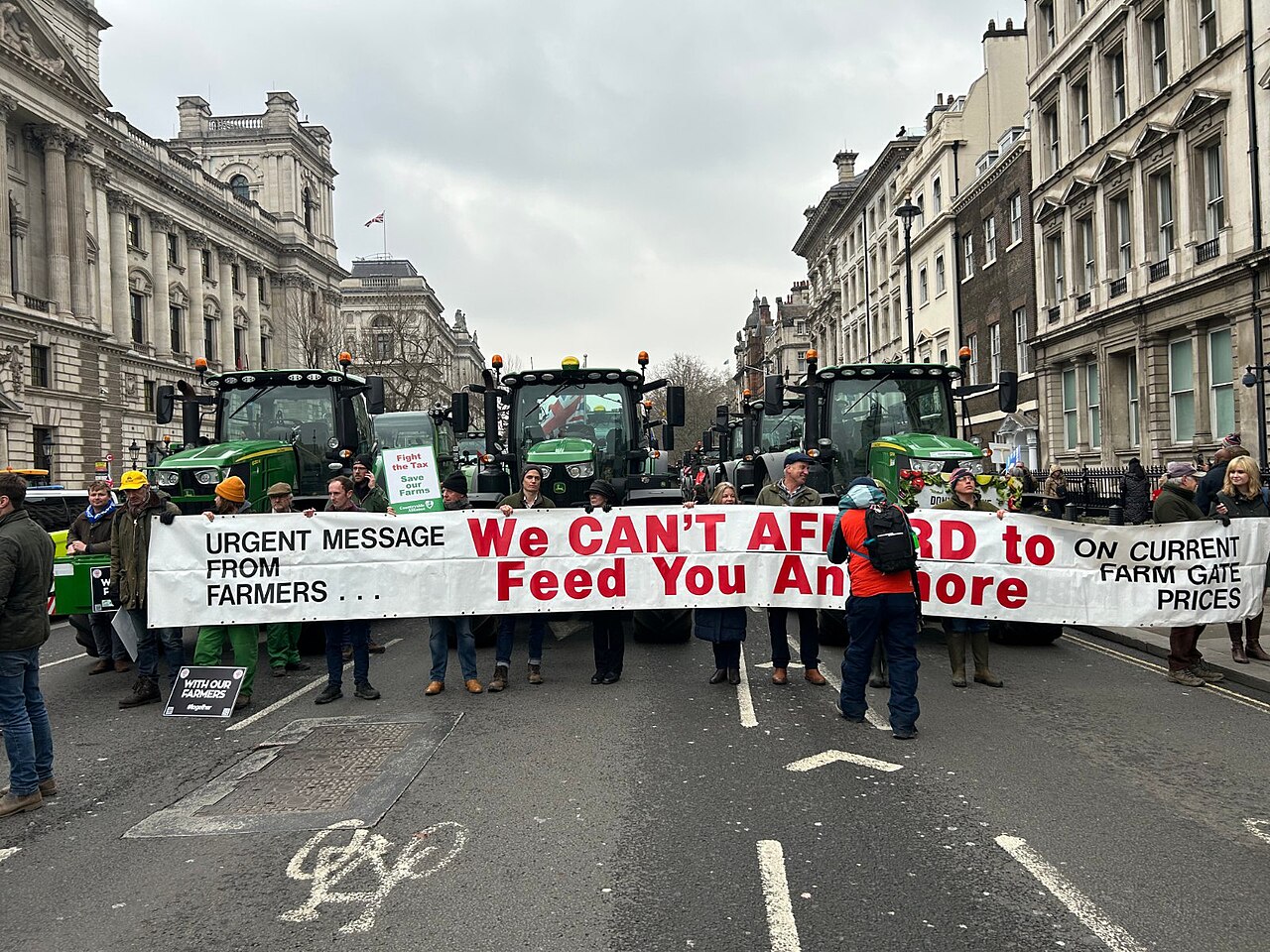
However, on 23 December 2025, the government announced that it would be raising the threshold at which 100% of Agricultural and Business Property Relief (APR & BPR) applies from £1,000,000 to £2,500,000 – a couple could pass £5,000,000 of qualifying assets as tax free – a change Dan Tomlinson explained would “protect farms and businesses”. It estimated that these changes would raise £300,000,000 by the end of the decade from the largest estates to support public services.
The issue that many opposition MPs like Sir Clifton-Brown (Conservative MP) raise is that rural communities feel ‘discriminated against’, that the policy does not ‘fairly account for farmers’, and that it ‘overlooks some categories of rural landowners’. Lib-Dem members have voiced concerns that the taxes fail to target loopholes used by private equity firms.
These loopholes include reliefs for certain classes of shares, so most shares in a private company qualify for BPR – meaning they are not taxed – and pension pots are exempt, opening up channels to avoid the taxes. Putting assets in trusts removes them from the estate, provided the donor survives seven years. The carried interest rule allows PE fund managers to treat profits as capital gains (which are taxed at a lower rate) to accumulate wealth more rapidly. Or offshoring.
Abolishing this tax only further entrenches the wealth divide: almost half of the gains will go to the richest 1%, with many benefiting from over £1 million each. Half of that money will go back into London and the South-East (the UK’s richest regions). The children (the primary beneficiaries of these estates) are often wealthy, increasing the gap between working-class and wealthy children, further continuing the cycle of poverty, decreasing social mobility, and solidifying wealth in the upper echelons of society. A potential local inheritance tax could generate even more funds for local government expenditure. The Resolution Foundation reported in 2018 that the wealth of Scottish households had exceeded £1 trillion, wealth had grown faster, and that the generational divide had decreased.
Pouring more money into social services by using inheritance tax funds benefits everyone – improving hospitals, transport, and education. Redistributing wealth to benefit everyone is the right thing to do, which is why inheritance tax is important.
Comments