AI in Television Production: Efficiency Tool or Cultural Shortcut?
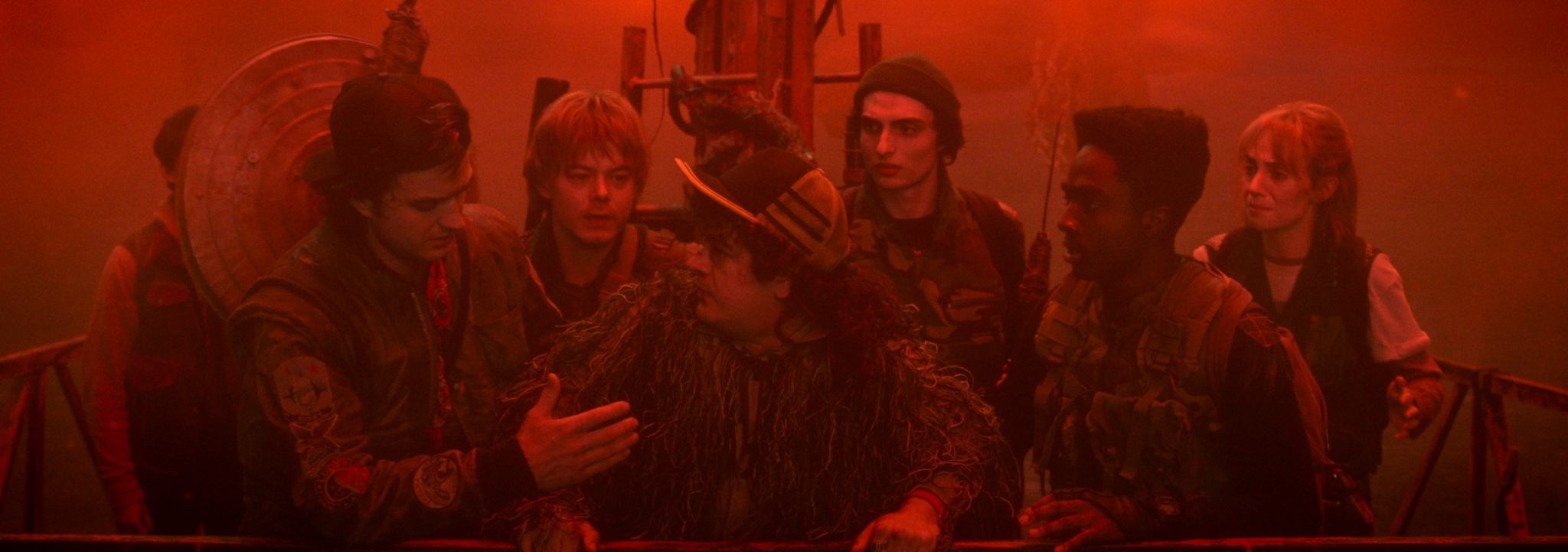
With rising concerns on the prevalence of Artificial Intelligence in all areas of human life, its increased presence in the writing and production of television shows poses a major debate about the importance of preserving the authenticity of human-created cultural products. The increase of dependency on AI for generating special effects, and rumoured reliance in the writing of Stranger Things 5 both levels the playing field for many writers and directors, and causes a massive increase in shows being produced in a shorter span of time – but is this what we really want?
Owing to increased labour laws concerning children and infants in television and film production, the turn to AI to create the baby in Squid Game Season 3 can be looked at as a major advancement in the television industry. Using AI to replace the use of real children, who – rightly so – have extremely strict laws on working hours and the types of action they are exposed to on set, vastly speeds up the production time for these television shows, no longer spending time editing together shots of stunt actors or dummies with the real child. As a result, more time may be dedicated to other post-production concerns, creating an altogether better product. Now, whether or not this is done well with the technology we have available today is a different debate, but objectively, this development has stood as a revolutionary alternative while still abiding by child labour laws.
The most widespread concern across the nation addresses the inevitable loss in jobs it will bring in all departments, however the issue imposes itself greatly upon the television industry, where demand for more television shows greatly increases in the digital age. In addition, for studios, it would be more profitable to utilise AI rather than a human workforce. While the use of AI would work for efficiency of rolling out these episodes at a faster rate and increasing revenue for the companies, what happens to those who have been displaced?
While these allegations on the use of ChatGPT to write the series finale for Stranger Things have been denied, and we have no concrete proof, the very idea of this being the case is indeed a very dystopian one. The use of ChatGPT to create screenplays for television may certainly level the playing field for screenwriters in the industry, enabling anyone to write their own concepts for shows, but this creates an industry in which the years of dedication and talent put into the practice becomes obsolete. The art of writing a television show no longer requires any talent – it no longer requires any human input. If AI becomes the mainstream of all creations, every television show would become the same, there would be no purely original content, rather, it would just be re-productions of what we have seen before. Humans live their own elaborate lives with their own individual experiences, which ultimately, influence and are conveyed through all art forms, do we really want a culture where escaping into the television no longer becomes personal?
A similar notion comes into the picture with the creation of the first AI actor, Tilly Norwood, by the Dutch company Particle6’s Xicoia in 2025. Acting, a space where people can project their own experiences and individuality, again runs the risk of becoming obsolete. What we will find, if this becomes the norm for television, is that television will become completely devoid of any human interaction, a soulless space in which viewers can no longer feel any connection with any figures on screen.
This culture of binge-watching causes a major increase in demand for more shows being released
In 2023, about 60% of viewers preferred binge-watching an entire season at once. This culture of binge-watching causes a major increase in demand for more shows being released. With this major demand, producers might start turning to AI to create television shows at a faster rate, risking the concern of quality in favour of a higher quantity of releases. While this does wonders for the television companies that will inevitably gain more money from people watching, it will create a viewer culture in which personal stories are no longer being told – television shows may be entertaining but will lack substance and the ability of being a genuinely ‘good’ programme.
While AI in television can be generally put to good use in lessening the exploitation of children and infants in the production world, it runs the risk of becoming an industry built for the mindless consumer, becoming detached from human stories and experiences. Whether or not television continues to use AI to produce their shows will speak volumes about their core values as an art – will they value the revenue, or real human emotions and input on such an art?
Comments