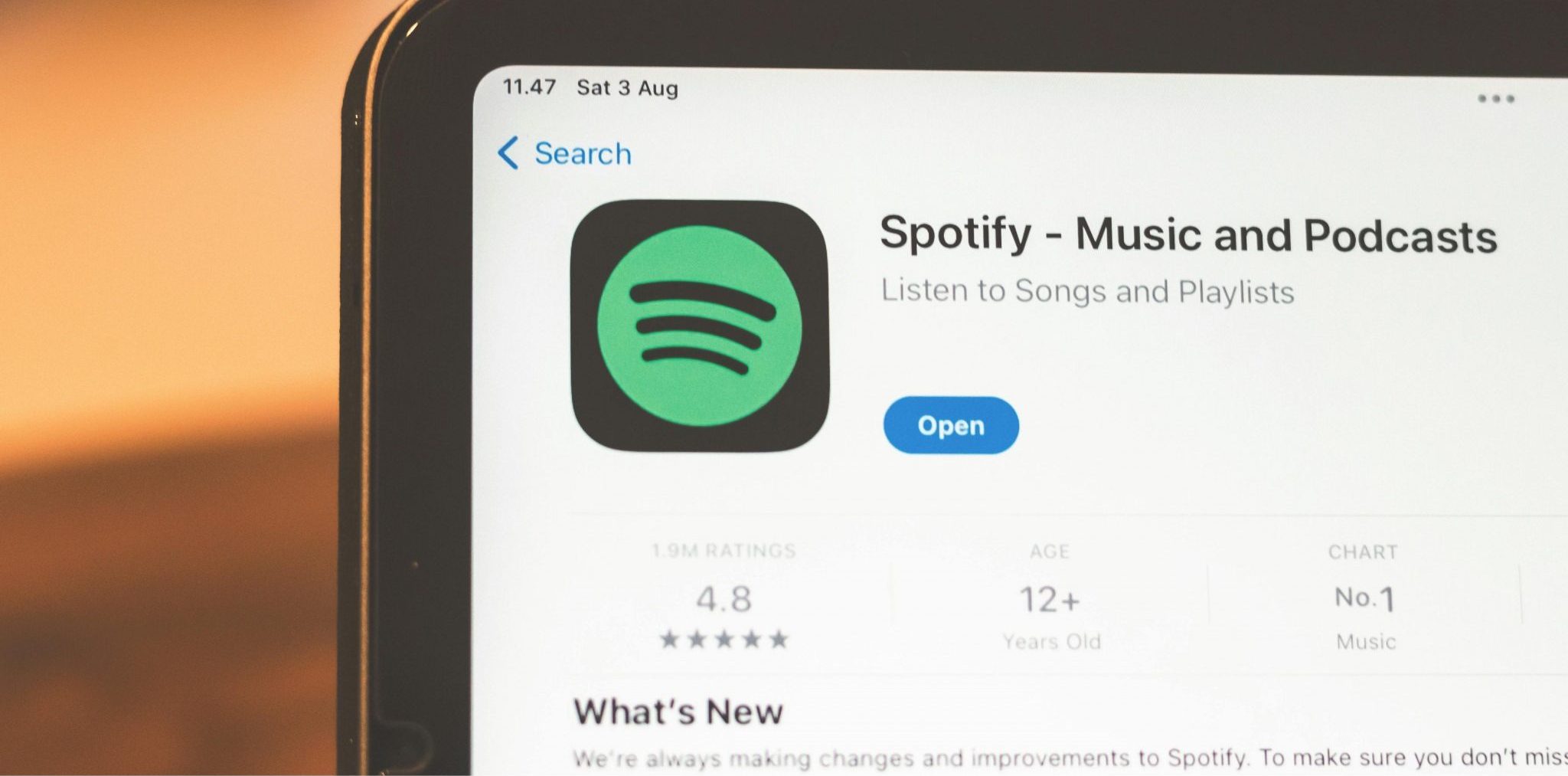
Why is everyone leaving Spotify? And should we?
As reported by The Fader, starting at around July this year, King Gizzard & the Lizard Wizard, Hotline TNT, Deerhoof, Xiu Xiu, Kalahari Oyster Cult label and more musicians, bands, and singers have announced to boycott Spotify by withholding their new releases from the service and/or by removing all music from Spotify worldwide. What has driven the boycott? And should we follow the initiative of these bands?
Spotify had a recent controversy involving displaying ICE ads within the application for its regular users. Reported by soundfynd, these advertisements contain the messages “Millions of dangerous illegals are rampaging the streets. Join ICE today.” and is telling listeners to “fulfil their mission”.
According to Spotify’s prohibited ad policy, they claim that ads with content that “Promote, incite, or glorify violence”, “Harass, bully, or incite hatred against any individual or group” or “Engage in or promote any other behaviour that may place people at risk of harm” are prohibited on the Spotify service. However, as stated by EuroNews, a spokesperson had claimed that these ads are compliant with Spotify’s policy and stated that they are “part of a broad campaign the US government is running across television, streaming and online channels”. Sceptics wonder if the ads fully comply with company policy, considering that they seem to be encouraging hostility towards a group.
The majority of the user community is displeased with AI technology
Controversies don’t just stop there – other issues, such as the company’s investment in the military, the integration of ChatGPT into the platform, and the low audio quality offered by the service, are discouraging listeners from continuing to subscribe or use the service.
Around June 2025, Spotify CEO Daniel Ek had funded a €600 million (approximately £455 million in GBP) investment in the German tech firm Helsing through his firm, Prima Materia, following a prior investment of €100 million (approximately £76 million in GBP) in 2021. Helsing is a defence technology company, primarily developing military strike drones, underwater surveillance systems, and artificial intelligence software meant to enhance battlefield decision making by analysing large amounts of real-time data from sensors and weapon systems. This highly controversial decision had irked musicians and listeners of the platform alike. Ek had announced to step down as Spotify CEO around 2 months ago, and current deputies Alex Norström and Gustav Söderström will step up to take his place in January 2026.
Spotify had also partnered with ChatGPT to allow platform users to connect their account to ChatGPT for it to generate personalised playlists, or to return the latest hits from a favourite artist by analysing the Spotify account given. It is an opt-in service on the ChatGPT platform and could be prompted with the keyword “Spotify”. The company claims that no content from its platform, such as music, podcasts or any others, will be given to ChatGPT to be used for training purposes. Unfortunately, the majority of the user community is displeased with AI technology being used or the generated content not being as high quality as expected, with some users reporting bias towards certain artists or genres.
Apple Music and Tidal both offer high-quality resolutions
Audio quality of the platform has also been mentioned in discussions comparing the most popular music streaming platforms. Looking into the audio quality documentation on Spotify, Apple Music and Tidal, all three services seem to offer lossless audio quality; however, there is still a distinction between them. Channelling my minimal A-Level Computer Science knowledge, there are two types of audio compression, lossy and lossless. As in the name, lossy audio compression will lose some amount of data, and lossless compression loses no data, hence preserving the best audio quality. The trade-off is that compressed file sizes with lossless would be larger than lossy, which might be why lossless audio quality is relatively new.
Apple Music and Tidal both offer high-quality resolutions ranging from 16-bit/44.1 kHz to 24-bit/192kHz. 24-bit/192kHz is currently the highest resolution being offered on the market, and Spotify unfortunately does not meet that threshold. The highest audio quality offered for the Spotify Premium tier is 24-bit/44.1kHz – meaning that its maximum sampling rate currently falls short of what alternate platforms have on offer. Although it could be argued that Apple Music and Tidal are both paid services, hence should have better sound quality on offer, the lossless quality option for Spotify is only offered to Premium users, which is also a paid feature. Users who use Spotify for free are only able to experience audio quality at 160kbps (kilobytes per second).
It’s a good time to see what other platforms have on offer
Should we follow the lead of musicians on the platform and make the switch? The decision is ultimately up to you, but I believe that it’s a good time to see what other platforms have on offer. If a playlist library is what’s keeping you from jumping ship, there are plenty of solutions suggested on the internet, one of which is using Tune My Music. Supporting 20 music platforms including Spotify, Apple Music, Deezer, Tidal, YouTube Music and more, the service offers free and paid tiers; with the free tier allowing up to 500 track transfers, and monthly and annual subscriptions (costing around £4 and £1.5 per month respectively) that allow for unlimited music transfer and daily syncs across music platforms. It might be time to take the initiative and find an alternate service better suited to your listening needs!
Comments