Stranger Things 5 is a bittersweet if necessary end to a neverending story
That’s that. Stranger Things is done. For good.
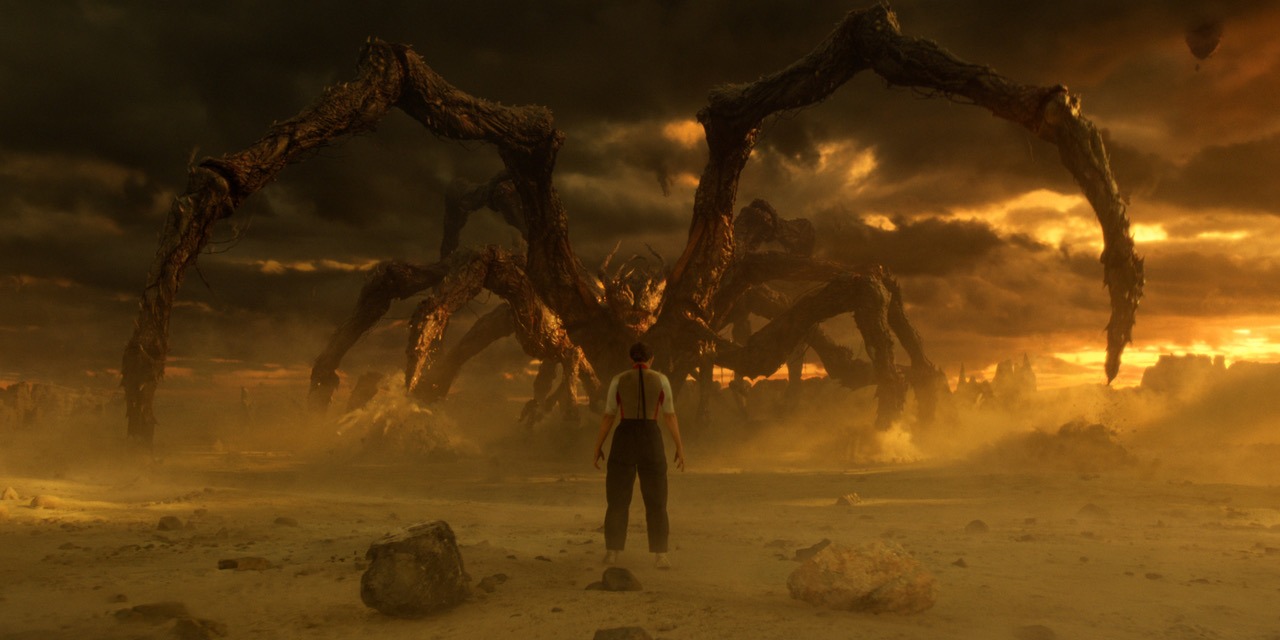
Netflix’s flagship series has evolved dramatically over the course of its nine years – almost to the point of unrecognisability. What began as an intimate sci-fi mystery about the disappearance of young Will Byers finished its streaming run with the fate of the world hanging in the balance: an interdimensional wormhole on the verge of collapse courtesy of a psychopathic hive-mind monster lording over a Mars-like abyss. Quite the shift.
The enormity of the task facing show creators Matt and Ross Duffer – that of concluding five seasons of expansive plot and (literal) character growth – was self-evident. And yet, the release of Stranger Things’ final volumes was far from a smooth ride. X (Twitter) became a cesspit of Game of Thrones finale-level misery following the Boxing Day episode drop, with every Duffer writing decision dissected and scrutinised by fans.
Positive reviews were rare on my timeline, and this wasn’t just symptomatic of Musk-era algorithmic amplification. After Thrones’ feeble 2019 exit, it felt like another case of a doting fanbase turning toxic and resentful at a perceived ‘betrayal’ of emotional investment. Over 300,000 signed a petition demanding the restoration of supposedly ‘cut’ scenes – scenes which cast member Randy Havens confirmed did not exist. The Duffers, then, were met with a riotous mob staking their claim to the means of production.
The final stretch of Stranger Things was markedly different from its late-2010s infancy
For all their vitriol, however, these grievances may have had a point. The final stretch of Stranger Things was markedly different from its late-2010s infancy, the Duffers’ creation having become unwieldy in its bloated mass of plot threads and characters. Like season three’s mall-crashing spider monster (its fleshy biomass enlarged with every unfortunate victim), the showrunners’ excessive multitasking only proceeded to grow.
A little over six hours was once enough for a well-rounded season of drama and emotional stakes, but now 10 hours seem hardly enough, as several narrative omissions noticed by fans seem to suggest. While the story is more insular than last season’s, both geographically and temporally, it often bogs itself down in repeating the same scenarios time and again. Standing around or sitting on sofas, the characters share in a clunky carousel of planning scenes complete with the usual improvised models and jargon-explainers. And in high-stakes scenarios, it’s more of the same, as they pause for podcast-length chats with their lives on the line.
After all the existential peril faced by the core party of teens, it’s striking how few deaths the show actually permits, especially as it reaches its climax. Facing down a Mind Flayer of kaiju proportions armed with little more than guns and Molotov cocktails (in a sequence more befitting of Guardians of the Galaxy), there’s hardly a trace of fear perceptible among the gang. When no one ever seems to bite the dust, it becomes impossible to muster any genuine sense of threat. Victory feels pre-determined, something which the characters themselves appear to recognise.
The season highlights are small bursts of excellence in a wider package
The result of rendering beloved characters effectively invincible is an overwhelming sense of artifice – one which surfaced elsewhere in this curtain-closer. Over the course of Stranger Things’ run, the Upside Down transformed from a chilling hellscape prowled by vicious Demogorgons to just another of the show’s hang-out spaces. Remember watching Sean Astin’s Bob Newby navigating his way through a dark laboratory crawling with bloodthirsty ‘Demo dogs’? Or Nancy Wheeler’s terror upon first seeing her best friend’s killer? This season’s Upside Down drama includes characters catching up in a church or pausing by a grotesque, fleshy wall to eat beef jerky.
The consequence is an erosion of the tension which once defined the series’ unique trump card. When characters do meet a grisly end in season five, it’s almost always faceless military soldiers who pay the price – a routine writing fallback which betrays a reluctance to risk meaningful loss à la Thrones.
But this is not to say that Stranger Things 5 is devoid of twists. Far from it. The Upside Down, albeit increasingly domesticated since its early days, benefits from quite the lore dump this season, while Will’s role in this fight against twin big bads Vecna and the Mind Flayer becomes more prominent in the spine-tingling mid-season finale, ‘Sorcerer’. It’s just a shame that the season highlights are small bursts of excellence in a wider package of frequently half-hearted dialogue and inconsistent acting.
A bittersweet coda to what has been nearly six years for these characters and over nine for us
The performances do, however, remain solid for the most part. Sadie Sink (Max) and Gaten Matarazzo (Dustin) in particular have fine careers ahead of them, and also Millie Bobby Brown in the stretches when her once-pivotal character isn’t sidelined from the action. But it’s Jamie Campbell Bower’s big bad Henry Creel who is the MVP here. He is disturbing, heartbreaking, or burning with rage depending on which of his several aliases he inhabits, even if much of his backstory remains locked behind the curtains of the little-seen prequel play Stranger Things: The First Shadow.
In Henry’s mindscape are imprisoned Nell Fisher’s Holly Wheeler, and Jake Connelly’s ‘Dipshit’ ‘Delightful’ Derek Turnbow, who are comfortably the season’s breakout stars. In a show losing steam largely due to its aging cast of fake teens, these new youthful additions somewhat resurrect that Stephen King-style innocence so central to the Duffers’ promise of a return to season one’s tone. Derek’s catchphrase “suck my fat one” may just be the unexpected calling card of these episodes, while his introductory episode ‘The Turnbow Trap’, helmed by Frank Darabont, brought a fresh humour back into Stranger Things.
The movie-length finale, albeit with a slightly anticlimactic boss fight, will be remembered mostly for its epilogue, a bittersweet coda to what has been nearly six years for these characters and over nine for us. In true Return of the King or Endgame fashion, a series of vignettes refocuses attention on Stranger Things’ emotional nucleus – the shedding of innocence and the necessary passage into adulthood. It’s a conclusion imbued with awareness that the show’s main audience has grown in tandem with these characters, and with the actors themselves, whose tears are strikingly real as they bid goodbye to childhood. The use of a more understated rendition of Kyle Dixon and Michael Stein’s nostalgic ‘Kids’ theme completes the series’ full-circle denouement, laying it to rest with a stinging tenderness reminiscent of Toy Story 3.
Change beckons, and every tale reaches its final chapter someday
Like Andy in that Pixar great, we must now let go and open new doors. I was early on in secondary school when I first joined these kids in Hawkins. Now I’m half a year away from graduating university, and they’ve likewise graduated from the Wheeler basement. A show that comforted outcasts the world over for so long can only have a positive legacy, even if its writing did experience its own growing pains towards the end, becoming a victim of its own success.
Our final encounter with the older teens was what really stopped me in my tracks. A vow to stay in touch is made despite their disparate college destinations – a vow which we know all too well will not be kept. Change beckons, and every tale reaches its final chapter someday. Stranger Things ran its course dutifully, disrupting the childlike notion that this could ever be a never-ending story.
Stranger Things is available to watch on Netflix.
Comments (1)
An in-depth review and a thoroughly enjoyable read.