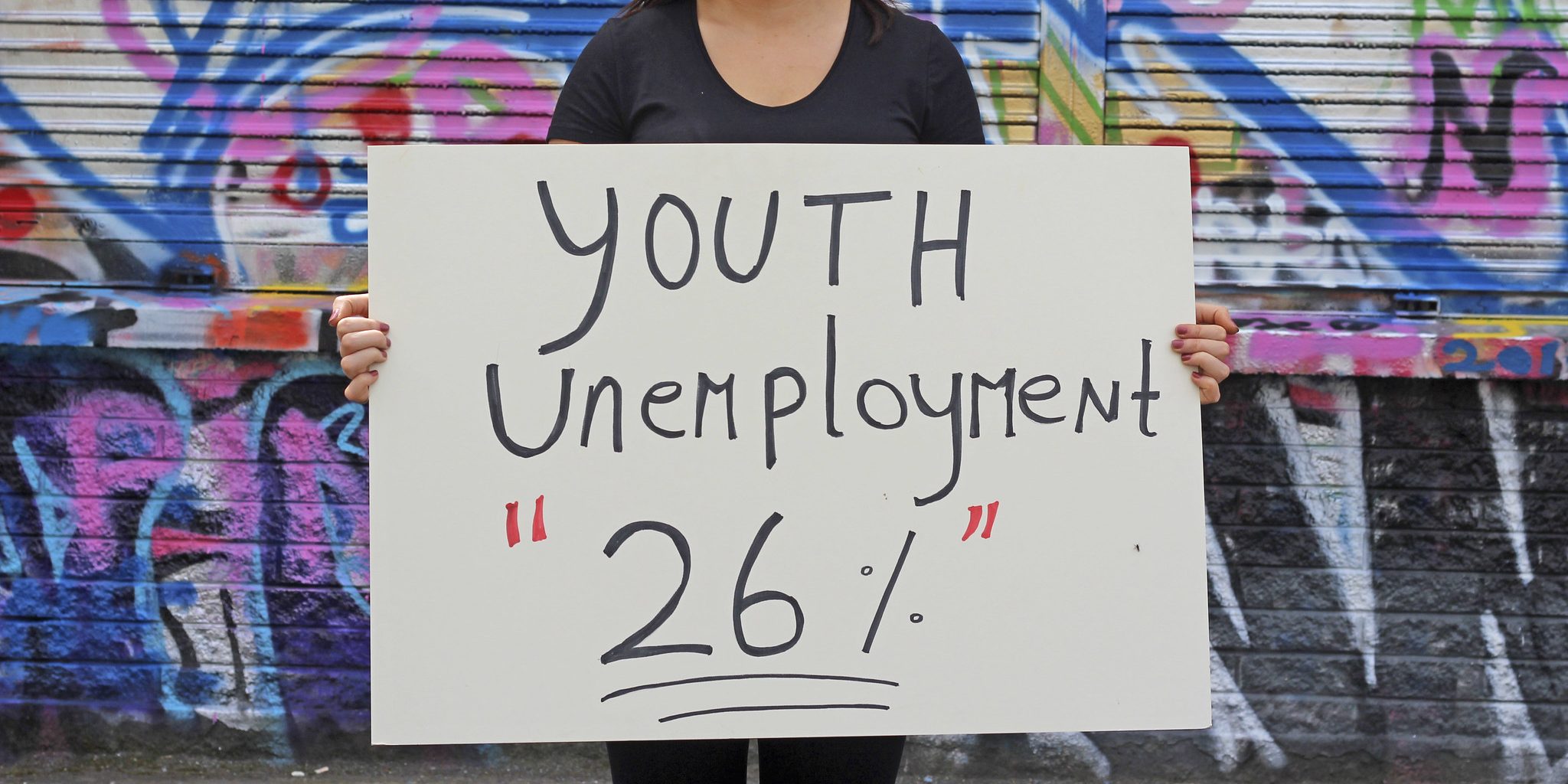
Increasing unemployment in the UK: Disproportionately affecting the youth
Unless you’ve been living under a rock, you’ll be aware that the current UK job market is among the worst it’s ever been, with graduates facing intense competition and employers offering fewer vacancies. Youth unemployment in particular has been steadily increasing since 2005.
What is youth unemployment, and why is it crucial to tackle? ‘Youth unemployment’ refers to unemployed people of working age, typically defined in the UK as those aged 16-24. Research from the Learning and Work Institute indicates that being out of work for young people negatively impacts their employment and earning potential in the long run. Additionally, data from the Office for National Statistics (ONS) shows that the number of 16–24-year-olds who are neither working nor learning has increased by 13%.
It is harder for many young people to get a job because they do not have the skills that employers are looking for
Once a young person is not in education, employment or training (NEET) for a sustained period of time, it is much harder for them to get back into the workforce. Actively seeking employment and facing rejection can also lead to mental health issues and emotional problems.
A major factor affecting the opportunities available to the youth is where they live, with London having the lowest percentage of NEET rates and Wales having one of the highest. While prior to the pandemic, UK unemployment was decreasing, after recovering from peak unemployment during Covid, unemployment has been on a continuous increasing trend. The government’s plan to scrap the two-tier minimum wage system, which initially paid those under 21 at a lower hourly rate than those 21+, has discouraged businesses from hiring younger workers with little or no experience.
Another reason for persistent unemployment has been stated by firms to be the hike in national insurance in 2024, which made hiring more expensive and whose effects are still affecting firms. The cost of making mistakes in the recruitment process is considerably greater for firms and employers, leading to them being more risk-averse, and therefore lowering young people’s chances of getting hired.
Surveys show that in the 16-24 age group, most are not working because they are still students, caring for someone else or have health issues. Those who are actively looking for a job cite barriers such as lack of experience, anxiety and a lack of jobs. Additionally, causes of youth unemployment include a lack of work skills, with employers picking more experienced candidates, a lack of quality vocational training, gaps between education and employment, and a lack of appropriate qualifications for jobs with ineffective career awareness.
It is harder for many young people to get a job because they do not have the skills that employers are looking for, especially if, after getting a degree or doing further education, they realise that they no longer want to go into a certain field. This, in turn, leads to them having limited options to explore different career paths, where others may be more qualified candidates.
Higher employment costs, changing technology, and financial insecurity all play a part in increasing youth unemployment, and unemployment in general
This unemployment issue is not a one-off problem caused by negative economic fluctuations. There are several factors affecting the issue and making it longer-term rather than short-term, not least the fact that automation and Artificial Intelligence (AI) have changed the structure of businesses and the composition of their workforce. Many entry-level jobs that entailed routine tasks, such as data entry and document review, which were given to junior staff, are now being performed by AI.
Secondly, while the pandemic was defined by many people quitting their jobs and looking for more fulfilling options, the current pattern is that the lack of a financial cushion has pushed people to do “job hugging”, meaning staying in their jobs to avoid the risk of remaining unemployed. The tacit knowledge that seasoned employees have from working at a firm/company is also highly valued by firms, and as that kind of knowledge cannot be replaced by people with similar skills, firms are reluctant to hire new employees.
In summary, higher employment costs, changing technology, and financial insecurity all play a part in increasing youth unemployment and unemployment in general.
Following on from this bleak picture, let’s look at some ways youth unemployment can be reduced. The government has struggled to address the issue, and greater investment and widening of opportunities, such as youth apprenticeships, are necessary to improve youth prospects.
Solutions to address the problem include reducing legislation that restrains employers’ ability to create opportunities or encouraging employers to broaden strict recruitment criteria to recognise the value of skills and behaviours rather than solely relying on qualifications.
Rising youth unemployment rates act as a warning to young people to be career-ready and ensure that they have the relevant skills, but also mindset
It is also crucial that education aptly prepares young people for employment with a focus on employability skills, and that some form of welfare system is created to effectively link people to jobs and train them in preparation for these jobs. The World Economic Forum also notes how promoting entrepreneurship to young people can have a positive impact. Entrepreneurship has multifaceted effects, as it creates more jobs, tackles contemporary issues, promotes creativity, and gives young people independence in creating their own economic livelihoods.
In conclusion, rising youth unemployment rates act as a warning to young people to be career-ready and ensure that they have the relevant skills, but also the mindset, in terms of resilience and tenacity, to take on the tough job market. Its profound impact also signals to policymakers and businesses that changes must be made to the current employment and education systems to provide better opportunities and economic conditions for young people.
Comments