How to hobby: A practical guide on picking a hobby and actually sticking to it
With the new year and the fresh wave of inspiration and motivation that accompanies it, you might have decided that 2026 is finally the year that you put down your phone and actually commit to a hobby. But which one to choose from? Maybe it’s crocheting. Or perhaps it’s cosy colouring, baking, reading, weight lifting, yoga, knitting, puzzling, scrapbooking, embroidery, junk journaling, or sewing. The possibilities are absolutely endless, and the thought of picking one becomes so overwhelming that you turn to TikTok ‘for inspiration’, and before you know it, you’re back in doomscroll territory.
As someone who has dabbled in more than a few hobbies but also regularly falls prey to ‘The Doomscroll’, allow me to share some tips and tricks for picking a hobby and actually sticking to it.
However, hobbies become a lot more enjoyable once you stop worrying about being perfect, and just start seeing it as a way to relax
Tip 1: Be realistic
As a student trying to balance studying, socialising, and perhaps the challenges of living alone for the first time, ask yourself: ‘How much time and energy can I realistically dedicate to this hobby?’ Not all hobbies are made equally, and some are more high-commitment than others. For example, I really enjoy scrapbooking, but since it requires quite a few moving parts, like lots of different papers, stickers, and washi tapes, it’s a hobby I tend to save for the holidays – it can get messy and time-consuming. During term time, I find myself reaching for easy, low-commitment hobbies like knitting or colouring, as these are more transportable, and can easily be done while watching a show or listening to an audiobook for a class.
Tip 2: Don’t overcomplicate it
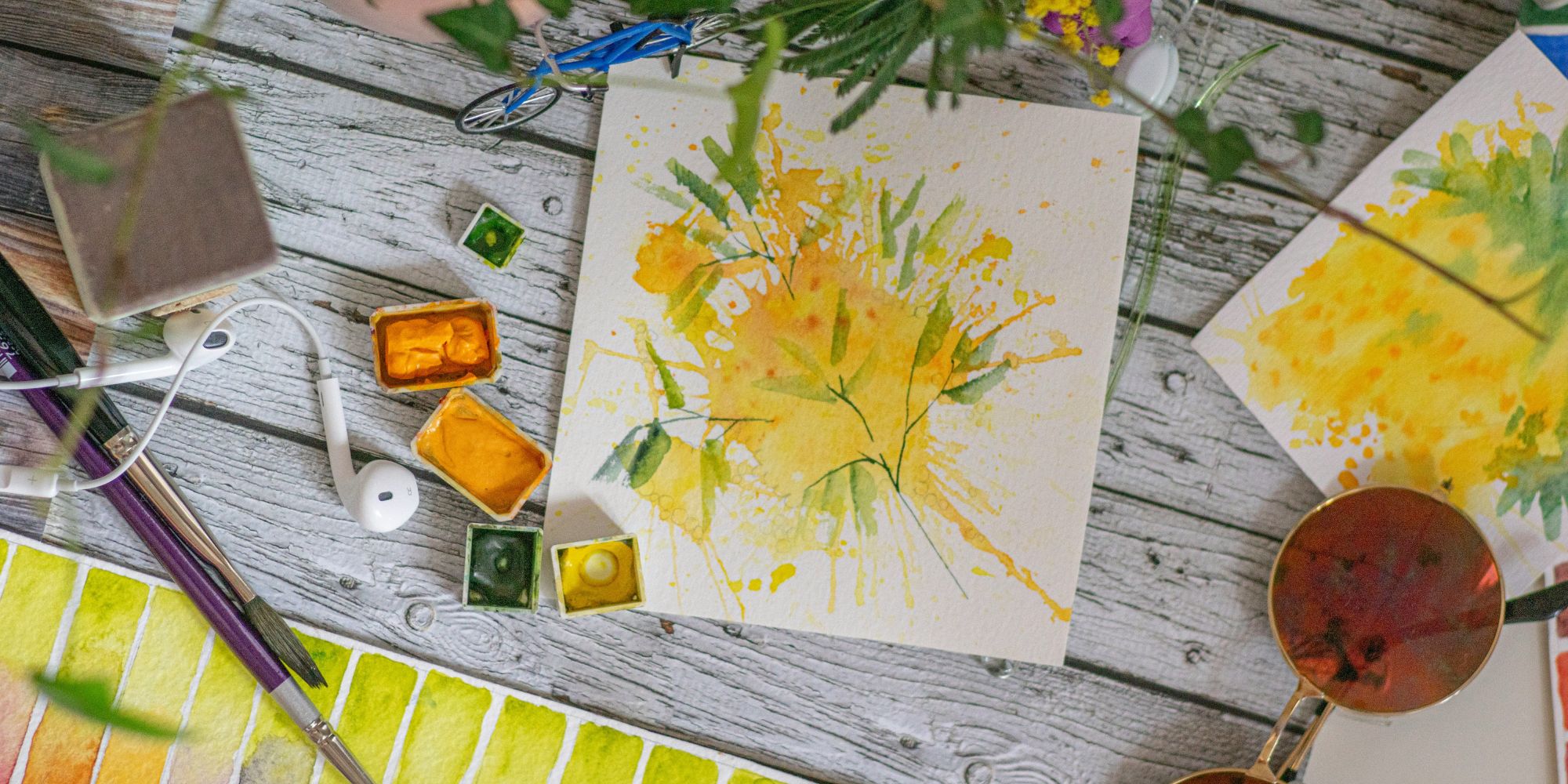
Let’s say you want to get into painting, but the endless options for mediums, brushes, and papers have got you completely lost. While it is important to put some research into the hobby you want to do, this does not have to be super overwhelming; when I wanted to get into painting, I started out with a cheap watercolour pan with just a few basic colours and a multimedia pad. Without the pressure of not ruining expensive equipment, I could just get started and figure out if I even liked painting and could see myself sticking to it. I found watercolouring to be a great and accessible way to start painting, as it can be quite compact and easy to clean, and shops like Flying Tiger sell watercolour pads with designs already on the page, so you don’t have to be great at drawing to get started.
Charity shops are always overflowing with puzzles, often only £1-3, and they’re great hobbies that you can dedicate as much or as little time as you want to
Tip 3: It’s a marathon, not a sprint
A lot of hobbies take practice, especially something fiddly like crocheting, and getting started can be daunting and even disheartening when it doesn’t always go smoothly. However, hobbies become a lot more enjoyable once you stop worrying about being perfect, and just start seeing it as a way to relax – that way, you actually want to do it, as it stops seeming like an assignment you’ll be graded on. When I first started knitting, I just knitted a ball of yarn with no end product in mind, simply so I could practice the stitches. Yes, I did just end up with a large knitted rectangle that I had no use for, but it was an easy, low-pressure way for me to learn the stitches and make endless mistakes without crashing out over a ruined project.
Tip 4: Affordability
Yes, having a hobby can be incredibly fun, but it can quickly become very expensive. One of the best hobbies for this can be jigsaw puzzles. Charity shops are always overflowing with puzzles, often only £1-3, and they’re great hobbies that you can dedicate as much or as little time as you want to. Another option is to sign up for your local library; the rise of BookTok has somewhat turned reading into an aesthetic competition, but at its heart, reading should be about relaxing with a hot drink and getting stuck into a good story. There are no rules that say you have to own books to be a reader, especially not when you can check them out from your local library for free!
Comments