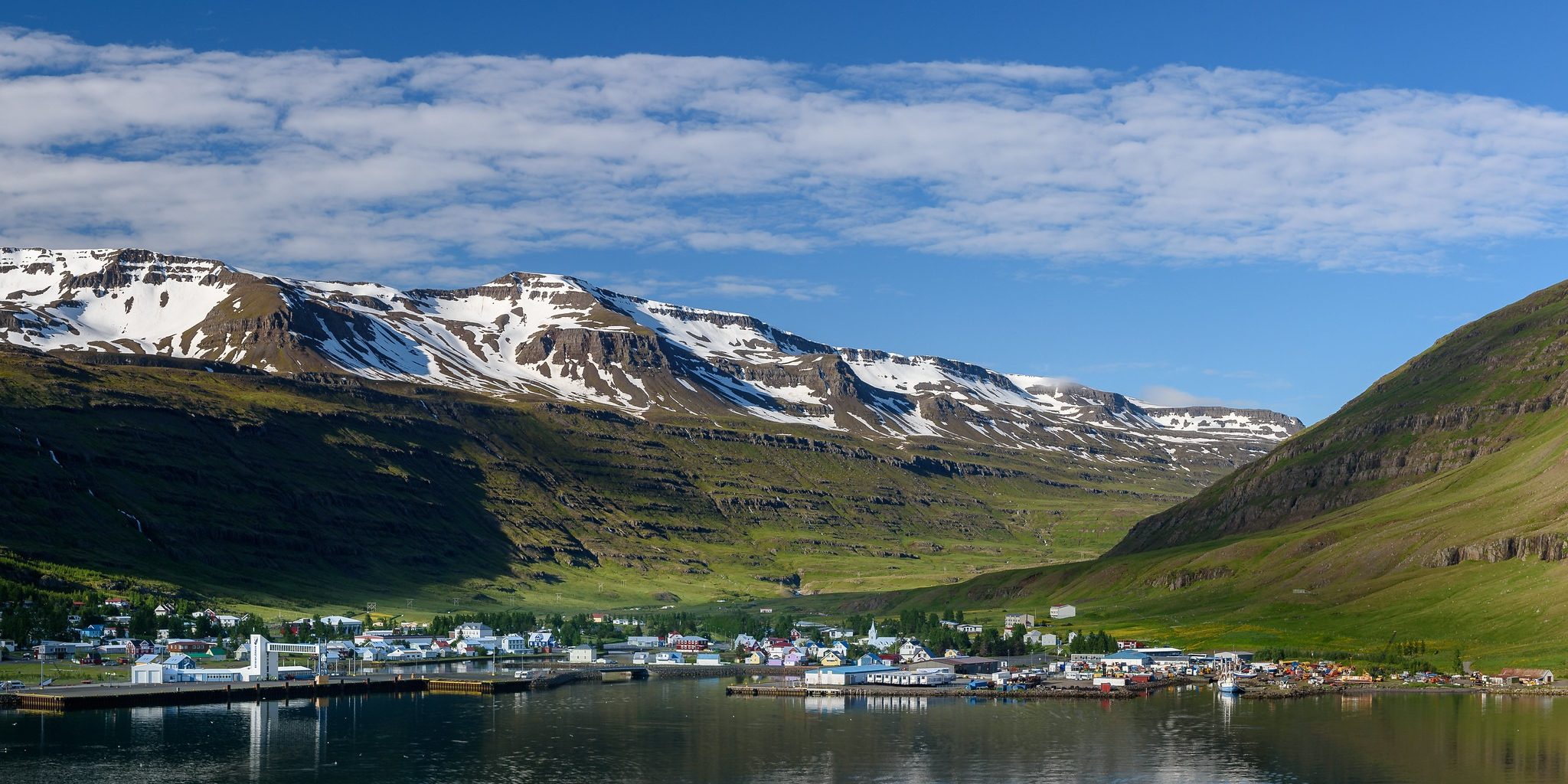
A scorching surprise: Iceland’s hottest Christmas Eve ever
A place long considered immune to extreme heat is now feeling the full impact of rising temperatures. On December 24th, the small eastern town of Seyðisfjörður in Iceland recorded an astonishing temperature of 19.8°C, far above the traditional Icelandic December temperatures of -1°C to 4°C.
Meteorologist Birgir Örn Höskuldsson of the Icelandic Meteorological Office told RUV news that the record-breaking warmth was caused by tropical-origin air masses lingering over the country. A strong high-pressure system funnelled warm air from the south while simultaneously blocking colder Arctic air from moving in.
Such extreme temperatures in regions historically shielded from warmth are becoming increasingly common, and they come with far more than just sunny skies. Entire ecosystems are shifting in response to these climatic changes. Iceland, a country once isolated from many foreign species, is now encountering animals and insects previously unseen on its shores.
In late 2025, mosquitoes were observed in Iceland for the very first time, marking a startling ecological milestone. Meanwhile, fish typically found in warmer southern waters, such as mackerel, are starting to migrate to Icelandic seas. These changes signal that rising global temperatures are allowing species once unable to survive in the region to establish themselves.
Climate change in Iceland is not only an environmental crisis but a cultural and economic reckoning
Beyond these shifts in Iceland’s ecosystems, the country now faces a range of long-term economic challenges as a result of rising temperatures. Iceland relies heavily on its own labour, industries, and revenue streams. Increasing temperatures threaten some of the country’s most important traditional sectors. Iceland’s tourism is closely interlinked to its iconic landscape. Visitors come to experience the snow-covered landscapes, frozen waterfalls, and the chance to witness the northern lights dancing across crisp, starry skies.
However, unseasonal warmth and increasingly unpredictable weather patterns now threaten this appeal. Imagine the northern lights shimmering above fields of blooming flowers instead of snow, a striking image, but one that could make the country less attractive to travellers seeking a classic Arctic experience.
Similarly, extreme temperature fluctuations put immense pressure on the fishing industry. Many of Iceland’s commercially important species, such as haddock and cod, rely on cold ocean waters to thrive and reproduce. These warmer sea temperatures can alter migration patterns and reduce fish stocks, creating uncertainty for Iceland’s local fishers, who may face declining catches or be forced to adapt to new species with different market values and fishing regulations.
This intensification of heat is not merely a matter of rising temperatures; it also threatens to challenge and reshape Iceland’s global identity and the economic stability of an already geographically isolated nation. In this sense, climate change in Iceland is not only an environmental crisis but a cultural and economic reckoning, one that is slowly forcing the nation into an extremely uncomfortable future.
Comments