Where it all begins: The power of grassroots football
Picture the scene: it’s 9am on a Saturday. The grass is wet under your boots, someone’s shouting “I’ve forgotten my kit!”, someone else is stuffing cardboard down their socks instead of shin pads, and you’re kicking off with ten because your left-back’s stuck at those temporary lights on the A road. That’s the beautiful game, and that’s why we love grassroots football.
As the backbone of the football pyramid in the UK, grassroots football is where the love of the sport truly begins, and where almost every professional player has started. Interviews are now taken from England players on their grassroots stories at the time of their debuts, and all of them express that they were there simply for the love of the game and enjoyed the freedom that grassroots gave them. Marcus Rashford commended the people involved in small clubs, stating: “People like Charlie [who paid for his subscription fees] and all those people involved in grassroots football are giving kids an opportunity and a safe space to do what they enjoy to do and sometimes that can be overlooked.” Equally, Morgan Rogers commented that “they are the memories that you remember and they’ll last with me forever”.
Without his coach Charlie, Rashford would have struggled to play at an early level, as football can be an expensive sport. To counteract that, there are many schemes now being put in place to make sure no kid goes without a chance to have a kickabout.The Football Association (FA) have partnered with McDonald’s since 2002 and run free sessions in their campaign ‘Fun Football’, which offers free coaching for five to 11-year-olds. Additionally, every year in September UEFA celebrates ‘Grassroots Week’, recognising those clubs that go the extra mile with awards and showing different countries’ efforts to boost grassroots. In 2024, England won the award for Best Disability Initiative, with their new project, ‘Comets’, and as of June 2025, 515 new disability football opportunities have been created by clubs who attended the FA training on it.
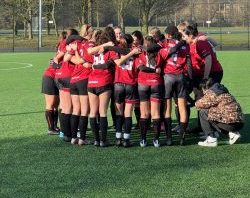
As a referee myself, I see grassroots in its glory every Saturday morning at Leamington Lions Girls FC, who have been going since 1998 when local teacher Nick Buckle discovered that girls were actually interested in playing football.
Realising that there were few opportunities in the Leamington & Warwick area, Buckle launched the club who declare that they continue to “provide opportunities for all abilities, setting realistic expectations and enabling the development of teams and individuals where learning and enjoyment are prioritised over match results”.
This enjoyment is yet another reason why grassroots is so important for football. Statistics show that grassroots football generates 323 million hours of positive social interaction for young people, and across England, there are 66,500 fewer cases of anxiety and depression due to football on a local level.
How important the game can be for mental and physical health
As well as a huge boost to wellbeing, there are 213,500 fewer cases of childhood obesity every year because of grassroots football, showing just how important the game can be for mental and physical health. Universities are also a really good way to get involved in grassroots football. Most recently, the University of Nottingham were the only university team to make it to the first round proper of the Women’s FA Cup. Over the summer, and much closer to home, Warwick’s very own Women’s Football Club won the award for FA Youth Leadership, this had never been won by a university committee before.
If BUCS football isn’t your thing, we have intermural leagues at Warwick, both 5-a-side and 11-a-side, which you can join through a society or simply grab a group of mates and sign up yourselves!
Grassroots football genuinely can change lives
Women’s Football also boasts a development squad, who play in friendlies throughout the year, and have high-level training sessions twice a week. Grassroots football genuinely can change lives, so if you haven’t already, and think you might want to, why not give it a go? Across the country, week in, week out, volunteers give up their evenings and weekends to coach, referee, wash kits and drive minibuses, all for the joy of keeping the game alive at a local level. It’s messy, unpredictable, and often held together by borrowed cones and a bag of bibs that haven’t been washed in months, but that’s exactly what makes grassroots football so special.
Comments