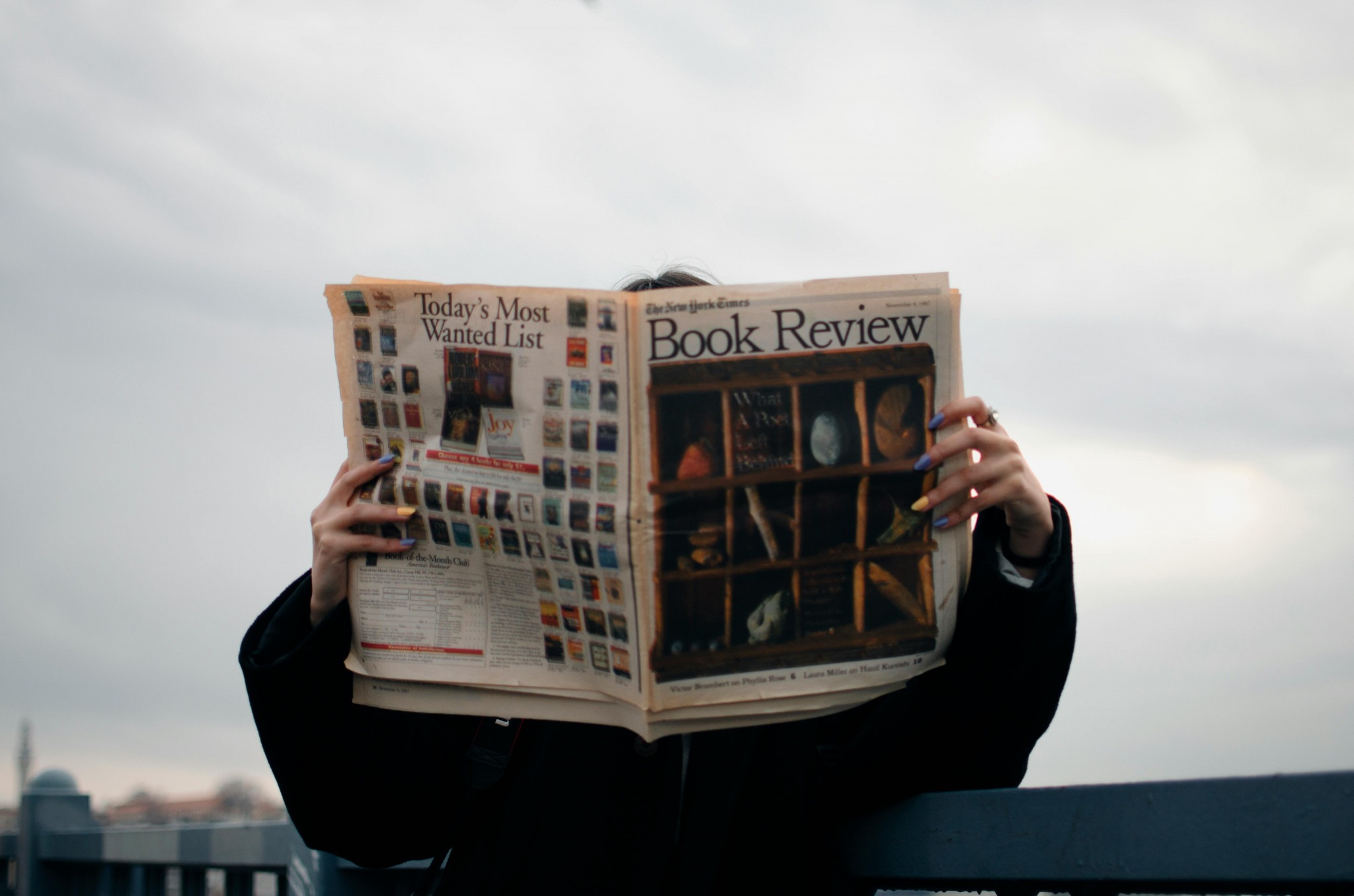
The death (and rebirth) of the book review
Who influences what you read? Is it literary critics found on sites such as The Guardian, influencers found on BookTok, strangers on Goodreads, or a combination of all of these and more? In a world where we are chronically online with access to a range of social media platforms, book reviews have evolved, shifting power dynamics disproportionately in favour of readers. While on the one hand, this effect may seem positive, spaces such as BookTok can be seen as distorting the reading experience and encouraging a pattern of rapid consumption.
Prior to social media, readers relied on their communities, newspaper book reviews, libraries, and acclaimed book prizes for their next read. Moreover, from the 18th century up to the 1990s, the book review was a way for the elite and more educated to advise on which books were worth reading. Not only did a small minority of people get to express their thoughts and opinions on a book, but they also significantly influenced whether that book would be a commercial success. Since then, the book review has been reborn and can be found in various formats, ranging from Amazon reviews to YouTube videos to even shorter TikTok clips. However, although book reviews are now greatly accessible and easy to make, it can be argued that their depth and level of analysis have declined. This is why the traditional literary critic is still — and arguably even more so — relevant today.
Book reviews on Goodreads, among other platforms, focus on consumer satisfaction or dissatisfaction, rather than literary value
First, this article does not claim that using book reviews from unqualified people on TikTok for book recommendations is bad, but merely that it restricts the reading experience. TikTok is a platform which profits from short videos and encourages mindless scrolling. It is focused on getting people’s attention and keeping them distracted. In the same vein, the type of books that get the most attention are those which are rapidly paced, have stereotypical tropes, ‘spice’ and controversy. These books tend to sacrifice character development, narrative depth, and complex themes, allowing them to be easily consumed and therefore marketed. The ease of consumption provided by these books may be good for getting into reading; however, it also starts a pattern of consuming similar narratives, thereby narrowing the reading experience. It leads to prioritising immediate gratification over thought-provoking literature. Additionally, the use of book ratings on sites such as Goodreads, which boasts more than 150 million members, can propagate a ‘quantitative mentality’ where big data dictates how we read and how we continue to read, through tailored recommendations. Book reviews on Goodreads, among other platforms, focus on consumer satisfaction or dissatisfaction, rather than literary value. This is why getting another opinion on a book you want to read, by a literary critic for example, can prompt you to consider different aspects of a book, rather than purely the enjoyment you gain from reading it.
An experienced literary critic can help us escape the echo chambers created by the algorithm
The traditional literary critic takes on a more formal and objective tone; they analyse and explain clearly why they agree or disagree with the author’s literary choices. An experienced literary critic can help us escape the echo chambers created by the algorithm by exposing how a narrative, and its message, is situated in the wider cultural context, transforming how we read. By relying heavily on social media for our book recommendations, we have changed the definition of a ‘good book’ from meaning ‘well-written’ to ‘creates a strong emotional reaction’. In an age of fast consumption, traditional book critics thus preserve books that may be considered more difficult, such as The Goldfinch by Donna Tartt, which won the Pulitzer Prize in 2014, but is commented as being ‘boring’ by some users on Goodreads.
Although the democratisation of book reviews has allowed more voices to be heard and opened the conversation to a wider group of readers, it has impacted the reading experience and the type of books that get the most attention. The brevity and lack of nuance provided by certain online book reviews, particularly on platforms such as TikTok, fail to distil a book adequately in order to capture its essence. Literary critics are therefore crucial in shaping how we view a book, and the depth of understanding and reflection we gain from reading. With this death and rebirth of the book review, I believe that it is best for us to diversify where we get our book recommendations from, so that we can have a truly varied and engaging reading experience.
Comments