Priced out and kept out: COP is not inclusive enough for young people
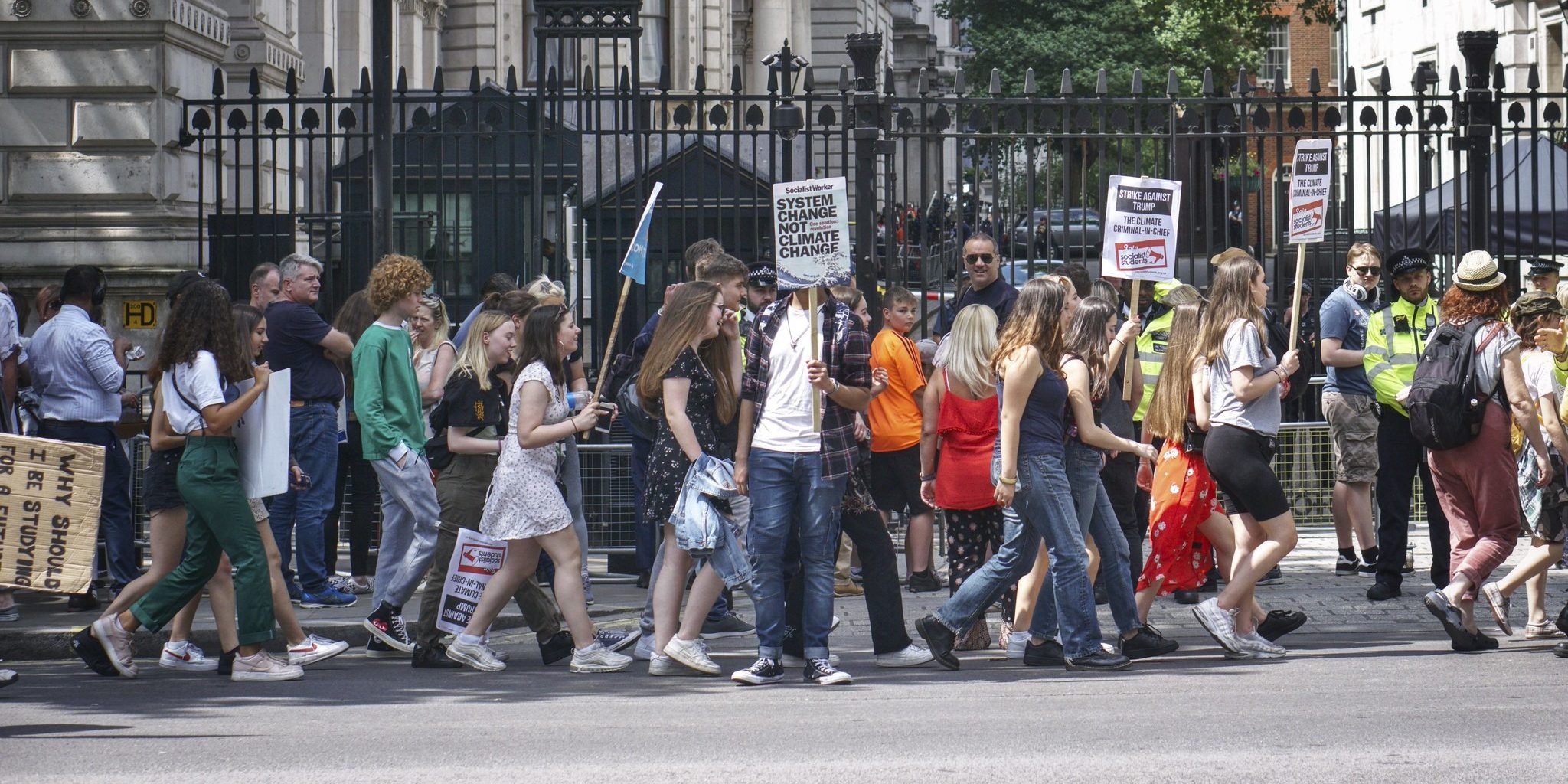
While representatives of the fossil fuel industry were “busy influencing policy decisions,” youth leaders struggled with basic needs such as finding accommodation for COP30, which was hosted in Belém, Brazil, this November. When Brazil’s cheapest subsidised rooms exceeded the UN’s subsistence allowance of $149, the official housing portal opened at double the allowance rate. The youth were effectively getting ‘priced out’ of COP30, now feared to be “the most inaccessible COP in recent memory”. If young delegates from the most climate-affected countries cannot even afford a bed, how can they claim to have a real seat at the decision-making table?
This worrisome crisis of access and representation isn’t new for youth climate leaders. From Greta Thunberg’s statement that “they invite cherry-picked young people to meetings like this to pretend that they listen to us” to Leela Watt’s reflection that countries like Japan do not offer official platforms for young people at COP, we are reminded of the existence of “tokenism, youthwashing and superficially practising deep listening” when discussing climate solutions.
The younger generation is forced to shoulder the responsibility of a safe future
Testimonies from past COPs reveal that young delegates are undermined, discriminated against based on age, gender, sexual orientation, background, and language, and are being offered no real power. These testimonies reiterate how the children and youth are being materially, structurally, and politically excluded from COP meetings. A 2025 Youth Policy Brief listed the key barriers youth climate delegates faced at COP29 as “weak institutional representation,” “limited access to climate finance”, including complex funding applications and rigid eligibility criteria, “exclusion from national adaptation planning,” and “lack of youth-centered just transition policies”.
But why does youth representation matter in climate action, and what are the consequences of these exclusions? Simply, the largely marginalised 1.8 billion youth population is both the most affected by current climate decisions and the generation that will soon inherit a crisis they did not create. As future stakeholders, youth delegates from climate-affected areas have context-specific awareness of the crisis. The younger generation is forced to shoulder the responsibility of a safe future, and the effectiveness of policy relies on their ability to implement it.
When the youth, particularly those with firsthand experience of climate breakdown from countries in the Global South, are excluded, the resulting policies are flattened because they are formulated and represented by the privileged few who do not experience the effects of the climate crisis in the same way. The marginalisation or lack of representation leads to the youth feeling a sense of betrayal by institutional governance, beginning to distrust the legitimacy of climate policy among those who will live the longest with these consequences.
Youth leaders have been proactive in sharing their frustrations and demanding more than symbolic involvement
This exclusion is not an abstract concept, even for students at the University of Warwick. Earlier this year, the University offered a limited number of observer badges for those who wished to participate in COP30, providing the option of virtual attendance for those unable to travel. However, students who applied expected all costs to be covered, including travel, accommodation, insurance, and visas themselves. As even university students with access to education, research, and institutional backing experience barriers to COP, it is clear to see the scale of this issue for young people from climate-affected and underprivileged nations.
Youth leaders have been proactive in sharing their frustrations and demanding more than symbolic involvement. Varaidzo Kativhu, in her speech at the Economic and Social Council (ECOSOC) Youth Forum 2023, said: “We don’t want to just be invited to speak, just to be invited to fill the seats, to be invited to take pictures and go home … we want you to ask our advice, but also let us be in the process of implementation. We don’t just want to consult; we want to see these projects through. Young people are capable – give us the chance.” Meaningful inclusion involves creating mechanisms that allow youth delegates to influence negotiations and be recognised as equal stakeholders.
Youth movements from Thailand to Brazil have already put forth clear statements ahead of COP30. Children and youth advocates from Thailand identified six critical priorities and called for “urgent and inclusive climate action”, while Brazilian activists urged Nationally Determined Contributions (NDCs) from all countries and offered recommendations. It is becoming clearer than ever that without real access, real power, and real representation for youth representatives, COP will remain a conference about the future that ignores the very people who will live in it. Youth delegates are proving to be more than capable, and it’s time the government steps up to aid them in their pursuits.
Comments