Fire Brigades Union warn of mounting pressure amid record-breaking wildfires
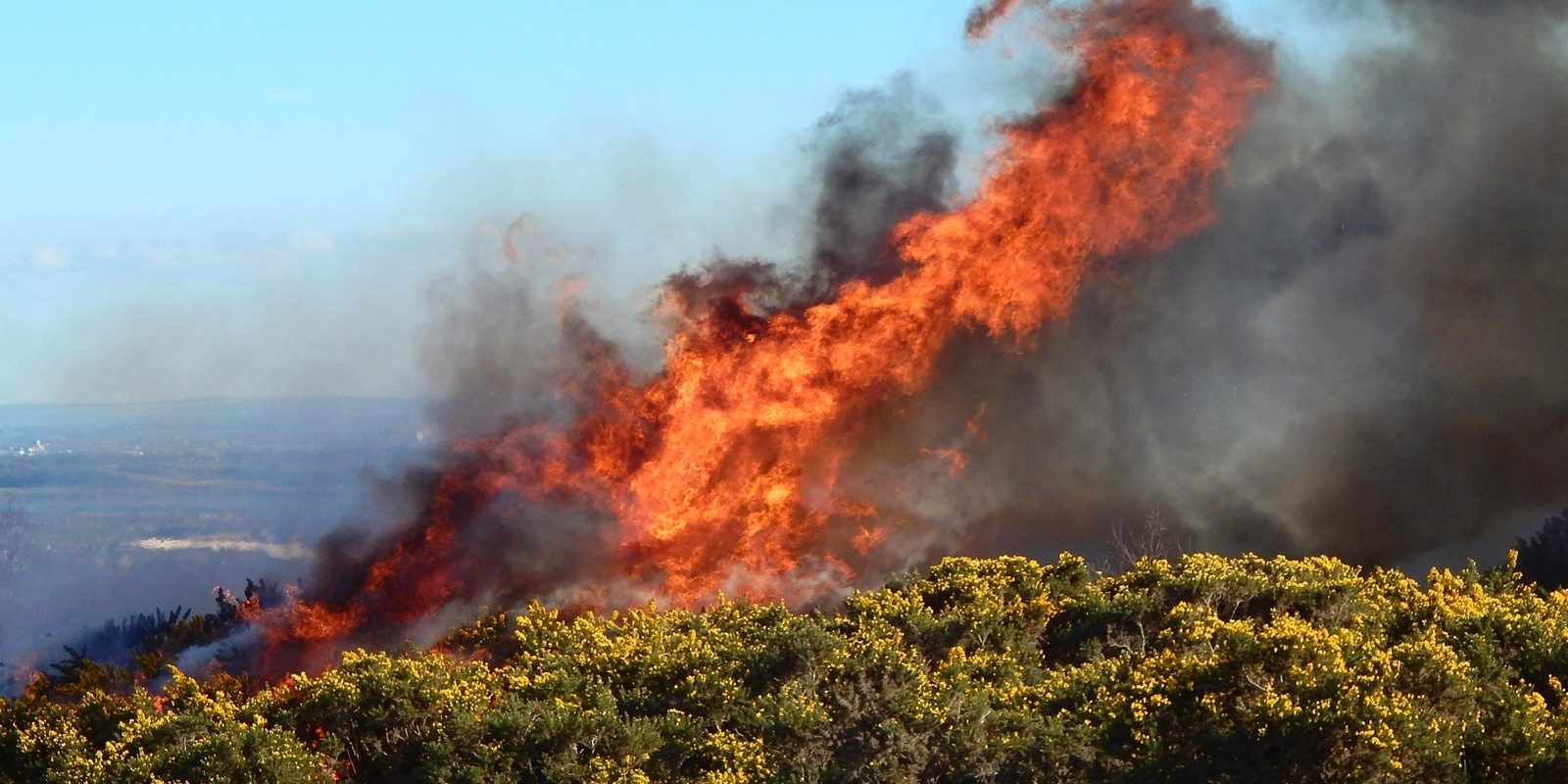
Wildfires have burnt record-breaking amounts of land in 2025, putting increasing pressure on the Fire and Rescue Service.
According to GWIS, 47,179 hectares of land were burnt this year, far exceeding the previous record year of 2019 which saw 28,100 hectares of land burnt.
Following Reeves’ budget, the Fire Brigades Union’s general secretary Steve Wright has warned that the fire service will continue “to face huge pressure and the risk of further cuts, including fire station closures, cuts to numbers and continued real-terms pay cuts for firefighters”.
This comes after a letter from the union and environmental groups to the Chancellor, urging for new investments to be made in the fire and rescue service.
They warn that the UK is “dangerously under-prepared for the growing threat of wildfires, flooding and the wider impacts of the climate crisis”.
Fire and rescue services in England and Wales responded to 996 wildfire incidents as of 4 September 2025
The letter cites equipment shortages and understaffing caused by government funding cuts, and notes that the service has lost 12,000 firefighters since 2010, amounting to ‘one in five posts’.
The National Fire Chiefs Council (NFCC) reported that fire and rescue services in England and Wales responded to 996 wildfire incidents as of 4 September 2025, more than in 2022 during the UK’s last record-breaking heatwave.
Wildfires have occurred across the country. In August, Dorset and Wiltshire Fire and Rescue declared a major incident as they tackled a large blaze at Holt Heath that resulted in 20 homes being evacuated as a precaution. In April, a major incident was declared when a wildfire broke out near the Mourne Mountains in Northern Ireland.
Wildfires that erupted in Scotland in Moray and Highland at the end of June and the start of July were confirmed by the Scotsman to have been the biggest on record in Scotland. These drove wildfire emissions in the UK, the highest on record this year according to Copernicus.
Climate change increases the risk and impact of wildfires through increasing temperatures and changes in rainfall patterns. More dried-out vegetation, such as heather, gorse and peat, turns into ample fuel for fires.
However, climate change is not solely responsible for wildfires. According to the NFCC, most wildfires in the UK are caused by human activity. They advise that the public avoid using disposable barbecues in open countryside and that they do not discard cigarettes as ‘they can ignite dry vegetation’.
Comments