Expansions and DLC: More content makes more content
In the modern gaming sphere, DLC (downloadable content) has become almost a standard amongst releases. For the most part, it is uncommon to see successful games, indie or otherwise, avoid releasing some form of additional content for loyal fans. Whether it’s new cosmetics, items, or worlds to explore, each online retail platform is flooded with an incomprehensible number of add-ons.
This volume brings with it an ocean of inconsistency, with some expansions being award-winning entries that enhance the original game, whereas others win only the ire of their consumers, offering hollow experiences released solely to squeeze more money from the audience. As such, a cloud of controversy has loomed over the subject for many years, but where did it begin?
The Elder Scrolls IV’s infamous horse armour as the original sin, the proverbial Pandora’s box that forever changed the industry
If you asked anyone somewhat familiar with the history of DLC, they would likely point towards The Elder Scrolls IV’s infamous horse armour as the original sin, the proverbial Pandora’s box that forever changed the industry. Players were offered a set of golden feathered armour for their steed, priced at £1.50 in the UK, a move that caused explicit outrage amongst gamers at the time.
Looking to the present day, common prices for cosmetics have skyrocketed at least tenfold, regularly costing £15 or more. What was once seen as a preposterous move by Bethesda has been allowed to mutate into an industry standard. Purchasable skins have become a mainstay in both online and, weirdly, single-player games. While cosmetics used to be a symbol of prestige and skill that demonstrated the valour and expertise of players, they have devolved into effectively digital designer items, showcasing only your ability to fork out another fiver.
Beyond cosmetics lies the plane of expansions – DLC that provides new areas, levels, or activities to uncover. With the power to revive interest in games after release, many expansions have been praised for their content, sometimes providing entirely new experiences and enough essence to stand alone as a separate entry.
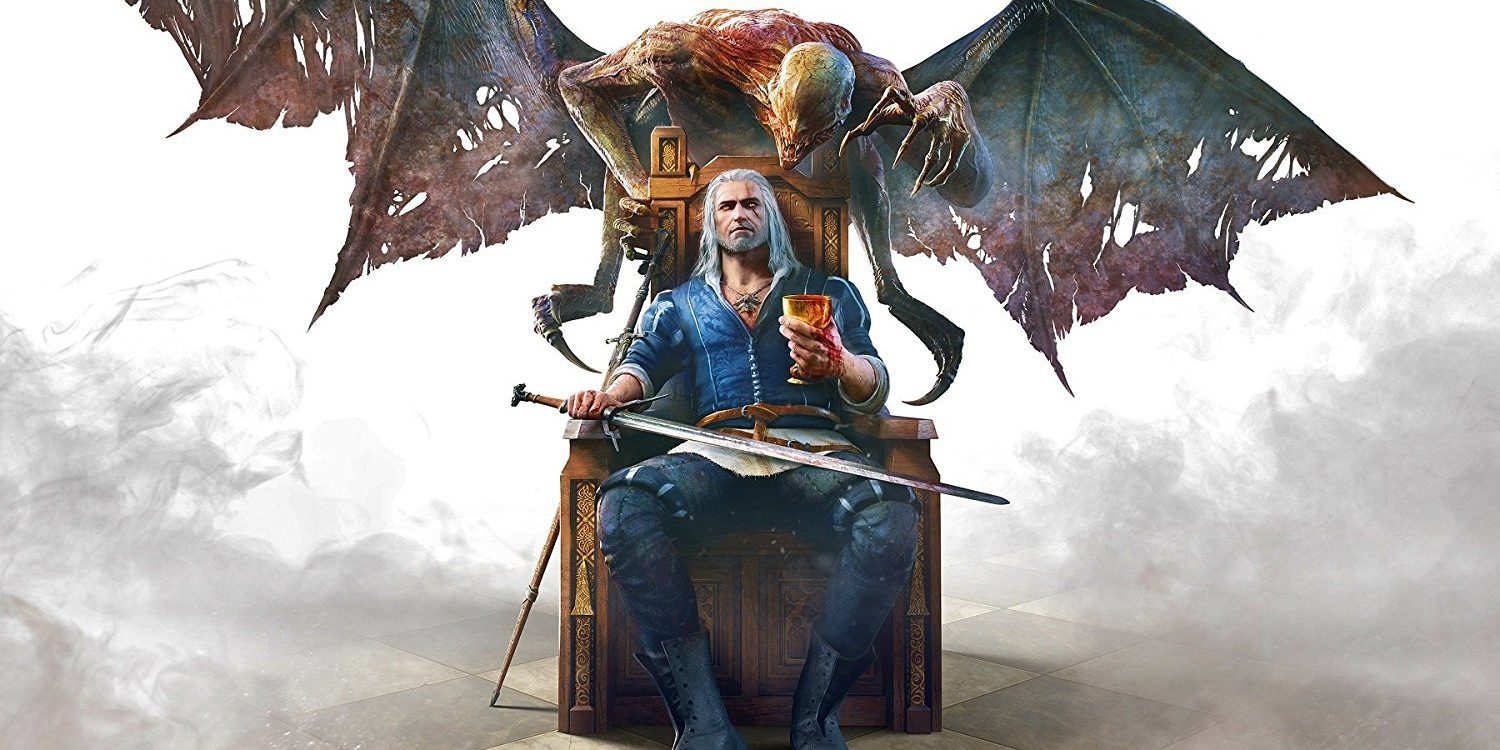
One such example is The Witcher 3: Blood & Wine. Released in 2016, just under a year after the original release, Blood & Wine took monster-hunters on a journey to the sun-soaked Duchy of Toussaint, with Geralt enlisted to track down an unknown creature terrorising the vibrant location. Along with a new full-length storyline (20 hours+), this expansion was chock-full of side content, far too much to list here. However, Blood & Wine ensures that this content is every bit as intricate and enthralling as the base of Witcher 3, continuing the fantastic realisation of the monster-hunting fantasy and simply building upon it with new systems, weapons, quests, and beasts. As such, this expansion stands as a paragon of DLC done right, providing an entirely original adventure that consolidates the groundwork of CD Projekt Red’s title, further painting it as an example of the pinnacle of open-world RPGs.
Shadow of the Erdtree presents the height that DLC can reach if it is treated as more than just another way to exploit gamers
Another developer who has, for the most part, woven worthwhile expansions is FromSoftware, developers of Dark Souls, Bloodborne, and Elden Ring. DLC for their Soulsborne series has been lauded by fans. Though not perfect (Living Failures and Commander Gaius, I’m looking at you), these DLCs are akin to Blood & Wine by simply providing more of a good thing, all while being uniquely-detailed journeys for prospective knights and mages looking to conquer otherworldly challenges.
FromSoftware’s most recent entry, Shadow of the Erdtree, followed the colossal success of Elden Ring two years prior. Received by overwhelming critical acclaim, Shadow of the Erdtree managed to earn a spot in the nominations for “Game of the Year” at The Game Awards, transgressing its status as an expansion and instead being considered among fully-fledged titles such as FF7: Rebirth. While this did cause a lot of contention within the community, the DLC itself was wildly expansive, offering up at least another 20 hours to more casual fans and undoubtedly far more for keen explorers.
Like Blood & Wine, Shadow of the Erdtree presents the height that DLC can reach if it is treated as more than just another way to exploit gamers. Gifting players with breathtaking new areas, boss fights, and as expansive a fantastical arsenal as ever, Shadow of the Erdtree makes a grand case for the existence of DLC.
And yet, while these examples allow players to have their cake and eat it, baked with equal parts quality and quantity, this is unfortunately less common across the industry. Instead, many games release with ultimately underwhelming season passes, leaving the DLC to feel like simply an afterthought, something to check another box for the executives.
One such offender is Star Wars Outlaws, published by Ubisoft (who are guilty of this across many of their titles). DLC became a topic of discussion before even the release of the game, with three different editions being available to players. When plans for DLC are announced before a release, it almost suggests that the developers are holding back content from the base game, depriving players who have spent potentially £70 from content that they have effectively financed.
Some titles have rendered the idea of live service a contentious subject
This business practice carries with it an air of malevolence, the “gold” and “deluxe” versions – a practice that even FromSoftware is guilty of – effectively pressure players into feeling as if they are missing out by only purchasing the standard edition. Another flaw of Outlaws’ expansions is the reliance upon legacy characters in the marketing, such as Lando Calrissian, to nostalgia-bait players into buying the DLC. When considering the middling reviews of these add-ons, it simply feels as if the developers are preying on the emotional investment of long-time Star Wars fans, instead of producing something of genuine quality. Together with its needlessly confusing edition system, lack of expansion content, and inclusion of cosmetics only purchasable with real money, Star Wars Outlaws is the perfect display of the negative DLC practices that have been allowed to fester in the gaming landscape.
Another dimension of DLC discourse is the growth of “live-service games” in the last decade. These titles are released and then receive content updates, both paid and unpaid, on a regular basis to keep the game fresh. While this isn’t a new side of the industry, with titanic MMOs, such as World of Warcraft, employing this since the early 2000s, some titles have rendered the idea of live service a contentious subject.
Perhaps the most notable example is ex-Halo developer Bungie’s Destiny 2, with a passionate (albeit often disappointed) fanbase. Destiny 2 has been propped up for the last eight years by annual expansions to keep things fresh.
The best expansions demonstrate that passion-driven DLC design does still exist
Not only have these been incredibly inconsistent in terms of quality – with the phrases “we are so back” and “it is so over” rotating in every D2 player’s vocabulary annually – but at one point, Bungie began taking away past expansion content, revoking player access. Claiming that there simply wasn’t enough space to contain it all for the players, Bungie effectively robbed fans of paid content without any player input. Such a colossal decision caused absolute uproar in the community, sparking discussions about ownership of digital media and whether anything online can be truly “owned”. While Bungie have since reversed their decision, the content that was removed has never returned, thus leaving a lasting impact on the discussion of DLC and further complicating an already controversial subject.
So, what is the future of DLC? Will we see more serious interrogations of the predatory practices of monetisation used by these companies? Probably not. However, the best expansions demonstrate that passion-driven DLC design does still exist, created by those who value the craft over coin. As such, it is our responsibility as consumers to hold the industry to this standard. Remember, our influence comes from our wallets. Give your support to the content that earns it, and do not settle for less.
Comments