Do we still love the Christmas TV guide, or is it a ghost of Christmas past?
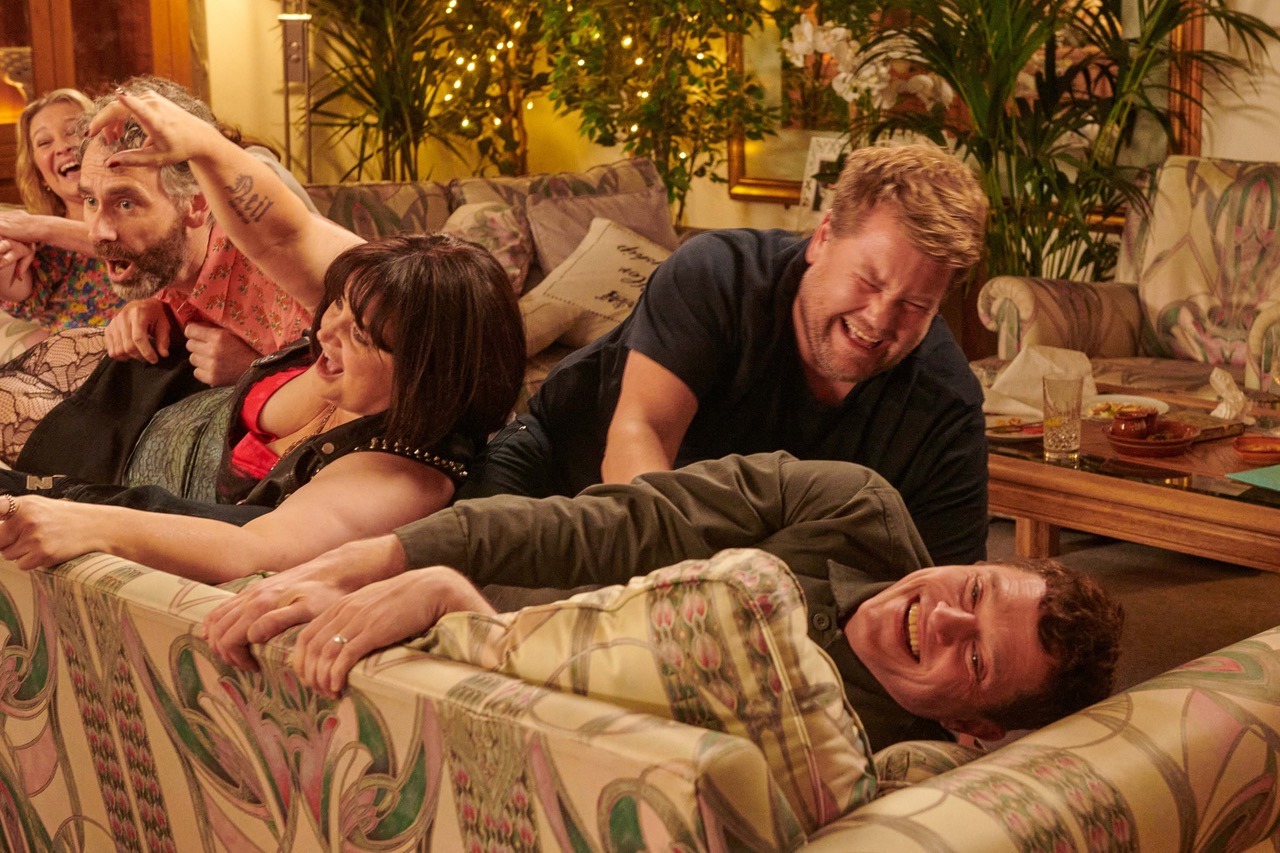
A circle around the Gavin and Stacey Christmas special. An asterisk next to yet another documentary about the history of the humble chocolate selection box. A question mark next to that Hallmark festive movie on Channel 5 (yes, the one with the same plot as yesterday’s).
There’s something so nostalgic and warm about picking up a TV guide at Christmas. Whether it be the Radio Times, TV Choice, or TV Times, buying a TV guide a few weeks before Christmas, sitting down with a cuppa and a mince pie, and circling all the shows that I want to watch over the festive season has been a tradition of mine for as long as I can remember.
Even in today’s digital age, as a lot of what we watch shifts from linear to streaming and TV guides move onto apps, circling a TV Choice and setting up the programmes to record on Sky will remain a Christmas activity of mine this year – a switch-off from Week 11 deadlines and copious amounts of dissertation reading, if you will.
Yet, as the likes of Netflix and Disney+ continue to lure in viewers from the traditional broadcasters, is the circling of a Christmas TV guide simply a dying tradition that will soon become its own ghost of Christmas past, like making your toy wish list from the pages of the Argos catalogue?
The glossy double-sized guides used to be as much of a staple as tinsel or turkey
Searches for the term ‘TV guide’ have been in decline over the past two decades. Peaking at an interest level of 100 on Google at the end of 2010, the interest in TV guides today stands at less than half of that – falling to a near all-time low of 31 this summer.
This declining interest is reflected in the sales figures of TV guides throughout the year too. While Bauer Media celebrated TV Choice’s success as the “UK’s no. 1 selling print magazine” in 2024, sales were still down heavily on previous years. 900,000 copies of the TV magazine were sold weekly last year, compared to a peak of nearly 2.8 million copies in 2007.
Admittedly, sales of Christmas TV guides are relatively much healthier. Magazines see an average sales uplift of 199% for their festive editions, with Radio Times generating in the region of £5 million of sales from their Christmas edition alone.
That, however, in itself is down a third on 2012, when sales revenues for the bumper TV guide, advertising the new Snowman and the Snowdog animation on its cover, were forecast to hit almost £7.5 million.
The Radio Times was the only way to find out what was going to be on
It begs the question, while these magazines will no doubt be front and centre of every newsagent and supermarket over the next few weeks, as to why TV magazines are slowly disappearing from homes – even in December, when the glossy double-sized guides used to be as much of a staple as tinsel or turkey.
One simple reason? Cost. Both the Radio Times and TV Times published their first ‘double editions’ for Christmas in 1969, containing two weeks of TV, in essence, for the price of one. While TV guides typically contain a week’s worth of listings from Saturday to Friday, the Christmas editions span the two weeks covering Christmas and the New Year.
Back in the early days of the festive TV guide, it cost pennies to buy the Radio Times double edition. 16p, to be exact. Today, the same guide costs £5.95. Of course, inflation has to be accounted for – but, even in today’s money, a 1974 Radio Times Christmas edition would only cost you £1.34. A fraction of the cost today.
50 years ago, a TV guide was also the only way to find out what was on TV, bar a half-complete listing at the back of a newspaper. So, as broadcasters filled their schedules with Christmas specials and films, buying a copy of the Radio Times was the only way to find out what was going to be on. Highlighting what to watch was an added bonus.
There’s still something warming and homely about the 300-plus page Christmas TV guides
Today, there are countless ways to find out what’s on TV and when – for free. Search ‘TV Guide’ on Google and you’re met with a list of online schedules. You can also check out the EPG on Sky – or you cansimply watch what you want when you want, on catch-up or streaming services.
Quite simply put, it’s not a surprise that sales and interest in Christmas TV guides are down. Rising costs, shifting viewing habits, and online alternatives are changing the way we find out what’s on TV.
Nevertheless, despite all of that, there’s still something warming and homely about the 300-plus page Christmas TV guides that inevitably end up tattered and falling apart by the time the Christmas decorations come down.
Maybe it’s the sheer amount of Christmas specials that broadcasters still put on every year, maybe it’s because the big magazines are catching up with the streaming era and including the top picks of what to watch over the festive season … or, maybe, it’s the nostalgia of sitting down with my parents, getting excited about the Christmas Day special of Strictly or who’s performing at the London New Year’s fireworks.
Perhaps, as some put it, it’s a “dreadful waste of money”. But it’s money I’m willing to waste this Christmas for a tradition that, I hope, will last for years to come. Now … when is ITV showing Home Alone?
Comments