Classics to read if you liked these shows
Whether you don’t know where to get started with reading, or you want some new book recommendations based on your favourite shows, this is the perfect list to get started! This list matches five of your favourite TV shows to their bookish pairs!
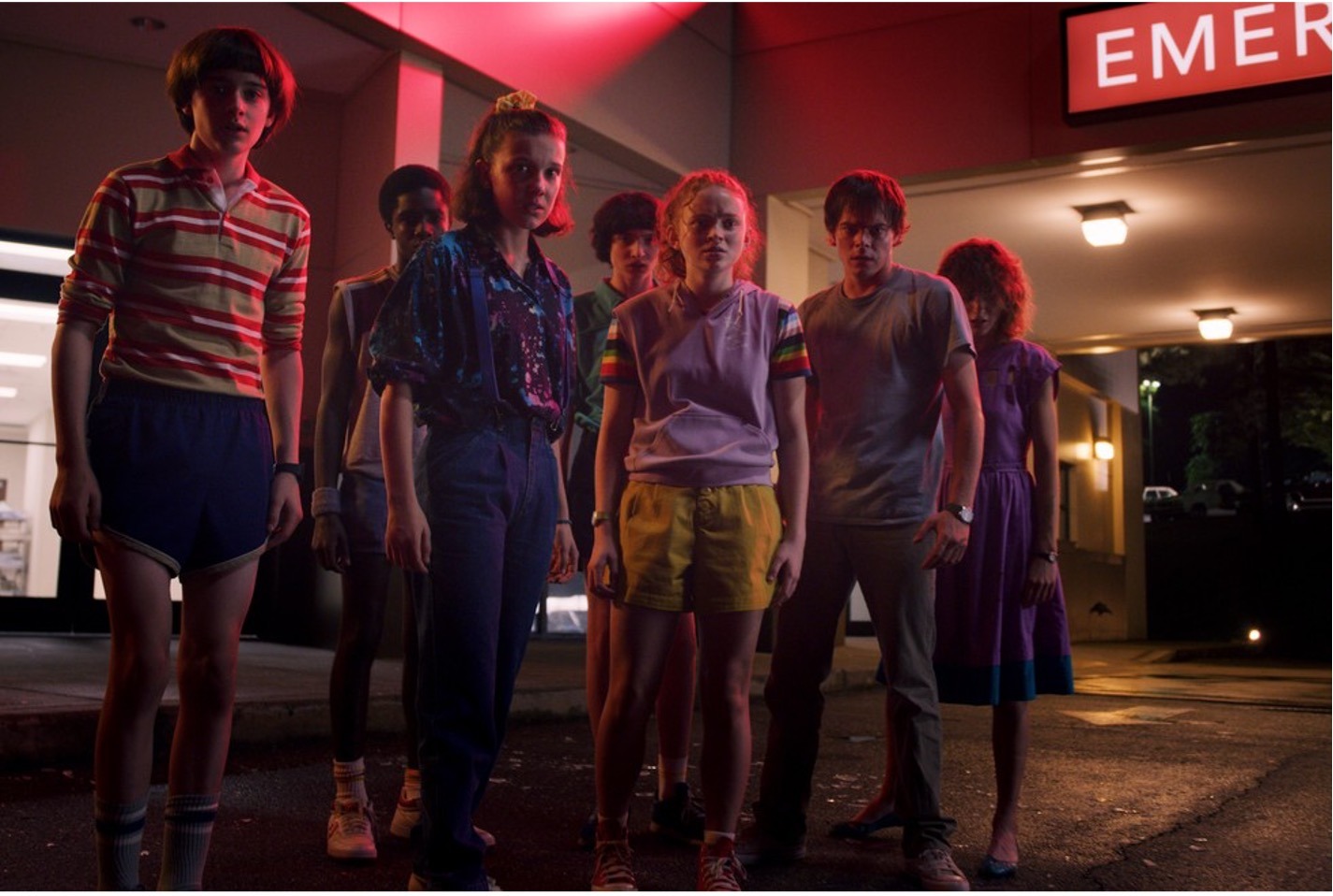
Stranger Things
Stranger Things has been a hit sci-fi fantasy show in recent years, with its much-anticipated season 5 airing its first episodes on the 27th November 2025. The show follows a group of kids through mysteries, trauma, and a reckoning with their own identities, making it the perfect mix between a sci-fi horror show and a classic coming-of-age narrative.
Additionally, a communal, rallying fight against an apparent evil is a common theme of both works, leading to an unlikely positivity for a horror narrative
If you liked this show, Stephen King’s ‘Salem’s Lot might be the sci-fi horror book for you. This book is filled with a blend of fast-paced action plot and more intimate character development, particularly of its protagonist, Ben Mears. Ben’s return to his childhood town of Jerusalem’s Lot mirrors the haunted small-town environment of Stranger Things’ Hawkins. The atmosphere of both also has many parallels; both are set in the late ‘70s to early ‘80s, begin with the disappearance of a young boy, and are set in enclosed communities invaded by supernatural creatures.
The mystery-solving narrative of ‘Salem’s Lot mirrors the plot structure of Stranger Things, in which the viewer is invited to become an active detective in uncovering the strange happenings of the town. Additionally, a communal, rallying fight against an apparent evil is a common theme of both works, leading to an unlikely positivity for a horror narrative.
Gilmore Girls
Gilmore Girls has long been a favourite autumnal rewatch. Despite the show being over 20 years old, Netflix recorded 500 million viewing hours between January and June of 2023, surpassing the far newer Stranger Things. It has classic and comforting themes, including mother-daughter relationships, academic stresses, and several romantic sub-narratives.
If you enjoy the wholesome, familial narrative of Gilmore Girls, Jane Austen’s Emma might be for you. Emma’s relationship with her father is arguably similar to that of Loralai and Rory, with a mix of wholesomeness and petty bickering in both parental relationships.
Emma and Rory have many similarities, as young, bright girls with difficulty making friends. Both make frequent social mistakes due to their respective sheltered upbringings and are, in many ways, flawed protagonists. They also suffer similar romantic turmoil, with both struggling to find the right match, with much fan-based discussion over who their romantic partner should have been.
Severence
According to Forbes, Severance became the most popular show of all time on Apple TV+ at the start of this year. The psychological thriller TV series is an accomplished modern dystopia. The plot follows Mark Scout and several of his colleagues in the centre of modern London. Their company, Lumon Industries, has orchestrated a surgery for its employees, which allows them to separate their working ‘innie’ memories and their personal ‘outie’ memories, making them functionally different people in and out of their workplace. The TV show articulates modern anxieties over capitalism, monotonous working environments, and a loss of personal autonomy.
In their criticism of mindless obedience to an establishment, both works hold a strong political message in the modern world
It has been widely noted that the narrative echoes many of the themes of George Orwell’s 1984, with IMDb referring to the resemblance as ‘just too similar to ignore’. If you are a keen Severance fan, you are likely to love Orwell’s 1984 due to the immense thematic overlap: both are set in a dystopian London, show a monotonous working life, and express fear at the tyranny of the establishment.
Much like the cult-like worshipping of the Eagan family in Severance, 1984’s ‘Big Brother is watching you’, ensuring strict conformity to the Party. In their criticism of mindless obedience to an establishment, both works hold a strong political message in the modern world.
Wednesday
Wednesday, a modern TV addition to The Addams Family franchise, has been a smash hit on Netflix, with Season One earning 341.1 million hours in its first five days of release, according to IMDb. Its main themes include supernatural occurrences, the importance of friendship, social ostracisation of the ‘outcasts’, and seemingly undefeatable supernatural villains.
A classic which contains such themes is Bram Stoker’s fin de siècle masterpiece, Dracula. Stoker’s 1897 novel is a compelling action narrative of camaraderie, solving mysteries, and fighting the eponymous villain and his supernatural strength. Its dark subject matter, mysterious deaths, and a series of clues left behind make it the perfect read for a Wednesday fan!
Whilst there are no direct replacements of Wednesday herself in the narrative, Dracula offers its own charismatic narrators through an ‘epistolary’ – a story told through letters and diary entries. An aristocrat turned madman, a beautiful somnambulist, an idiosyncratic Dutch scientist, and a traditional Western cowboy offer just as much gothic absurdity as Wednesday and her Nevermore pals.
Breaking Bad
Breaking Bad has been a household favourite since its 2008 release due to its combination of humour with darker themes of cancer, substance abuse, and poverty. Chemistry teacher, Walter White, decides to produce and sell high-quality crystal meth after learning of his lung cancer. The diagnosis seems to liberate him of previous fears of criminal activity, and with his former student Jesse, he attempts to provide a better financial future for his family after his death. The show acts as an exploration of what it means to be moral.
Many of its themes parallel … including a flawed protagonist, drug addiction, uncertain morality, and language around decay and degeneracy
A classic which shares many such themes is Oscar Wilde’s The Picture of Dorian Gray. The novel follows its protagonist, Dorian, and his descent into moral decay. After the commissioning of a portrait, Dorian realises that the more crimes and immoral activities he commits, the more degenerate and diseased the portrait becomes, whilst his own features remain unchanged. In one of literature’s great moral dilemmas, Dorian must orient his own morality now that traditional consequences have been removed. Many of its themes parallel those of Breaking Bad, including a flawed protagonist, drug addiction, uncertain morality, and language around decay and degeneracy.
Comments